Residential care center Zilverbos, Zelzate

Residential care center Zilverbos, Zelzate

2016
EvoltaProjectsResidential care center Zilverbos, Zelzate
Client
OCMW Zelzate
Location
Zelzate
Architect
Team Human in development

Integrated residential care center with a focus on comfort and a feeling of home

OCMW Zelzate focuses on humanity, domesticity and social integration

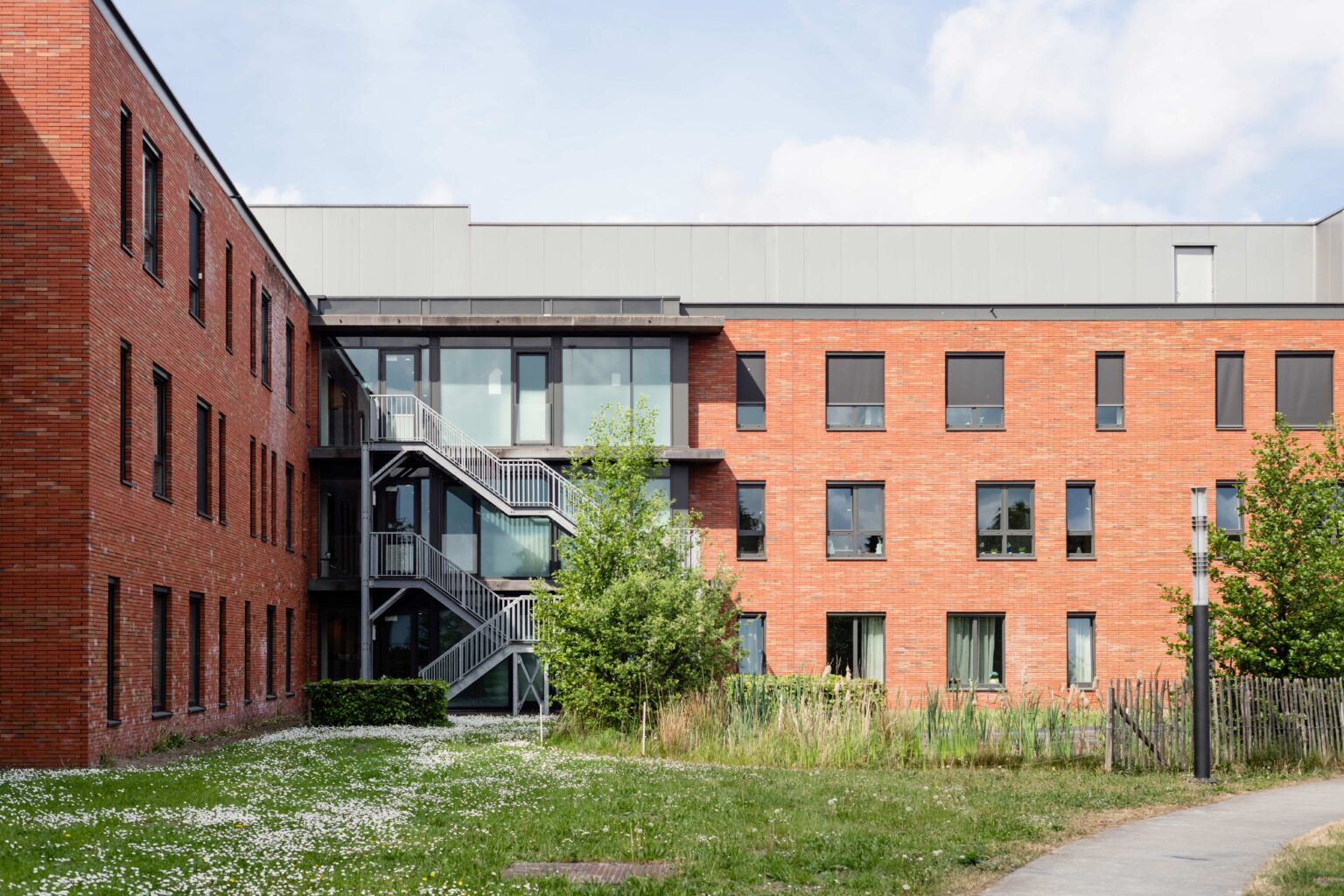
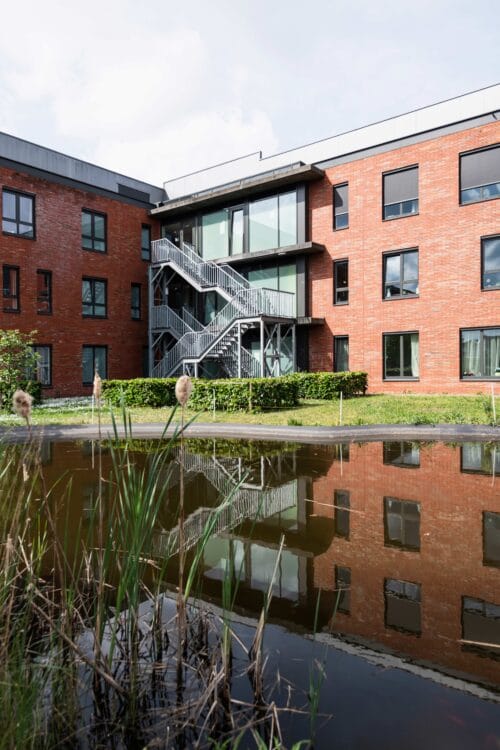
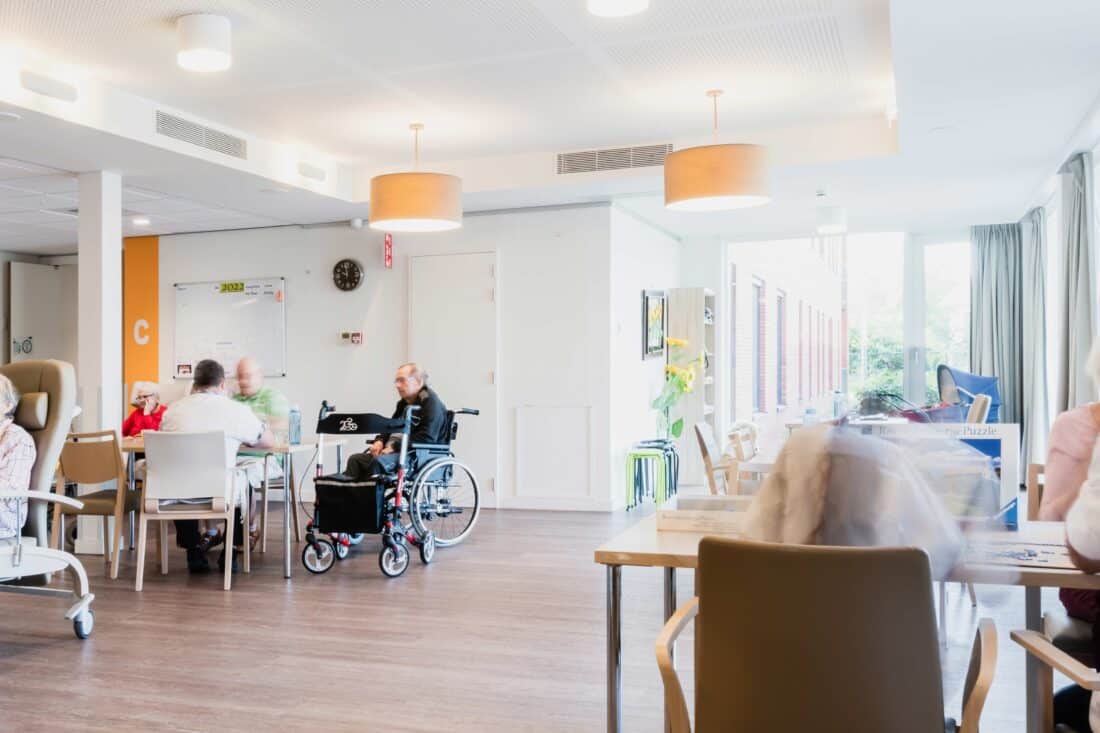
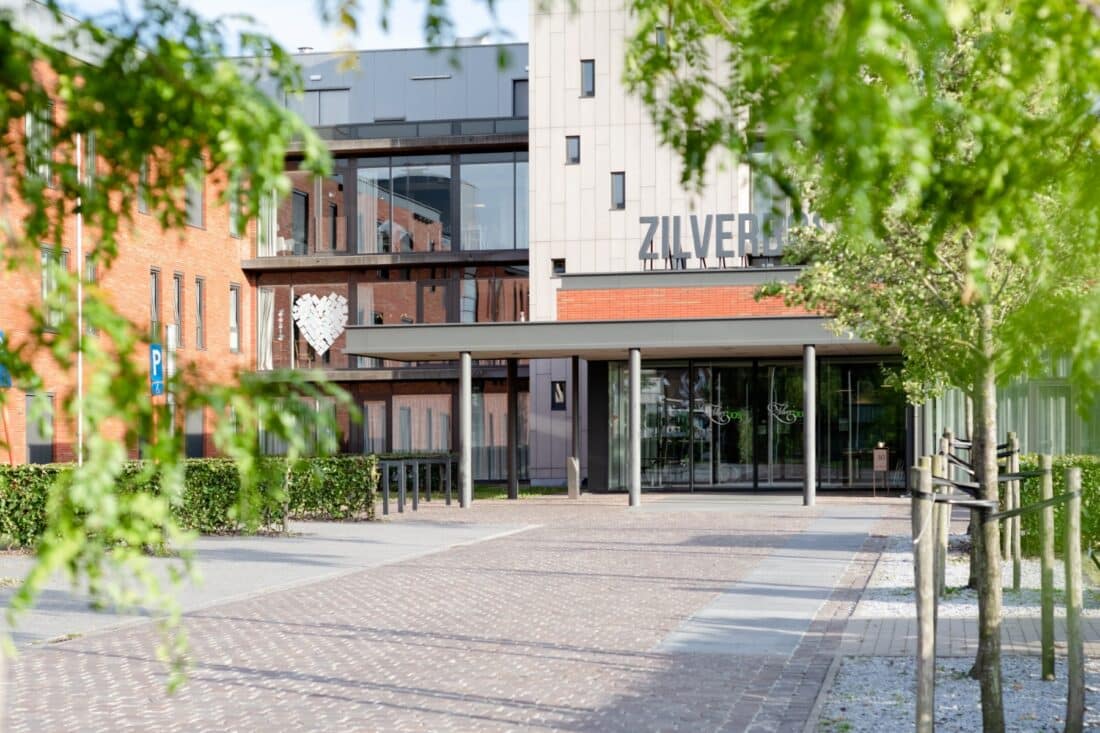
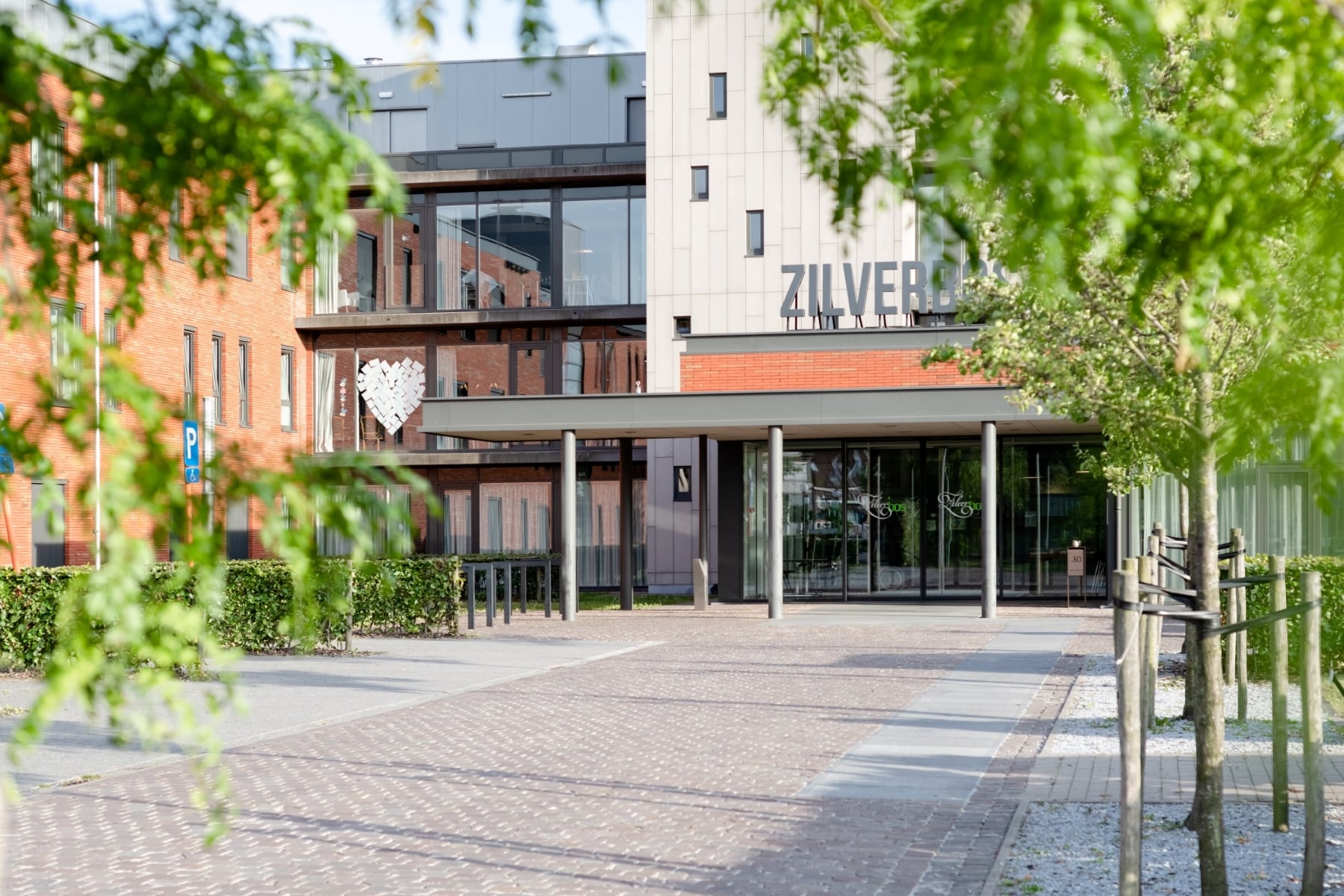
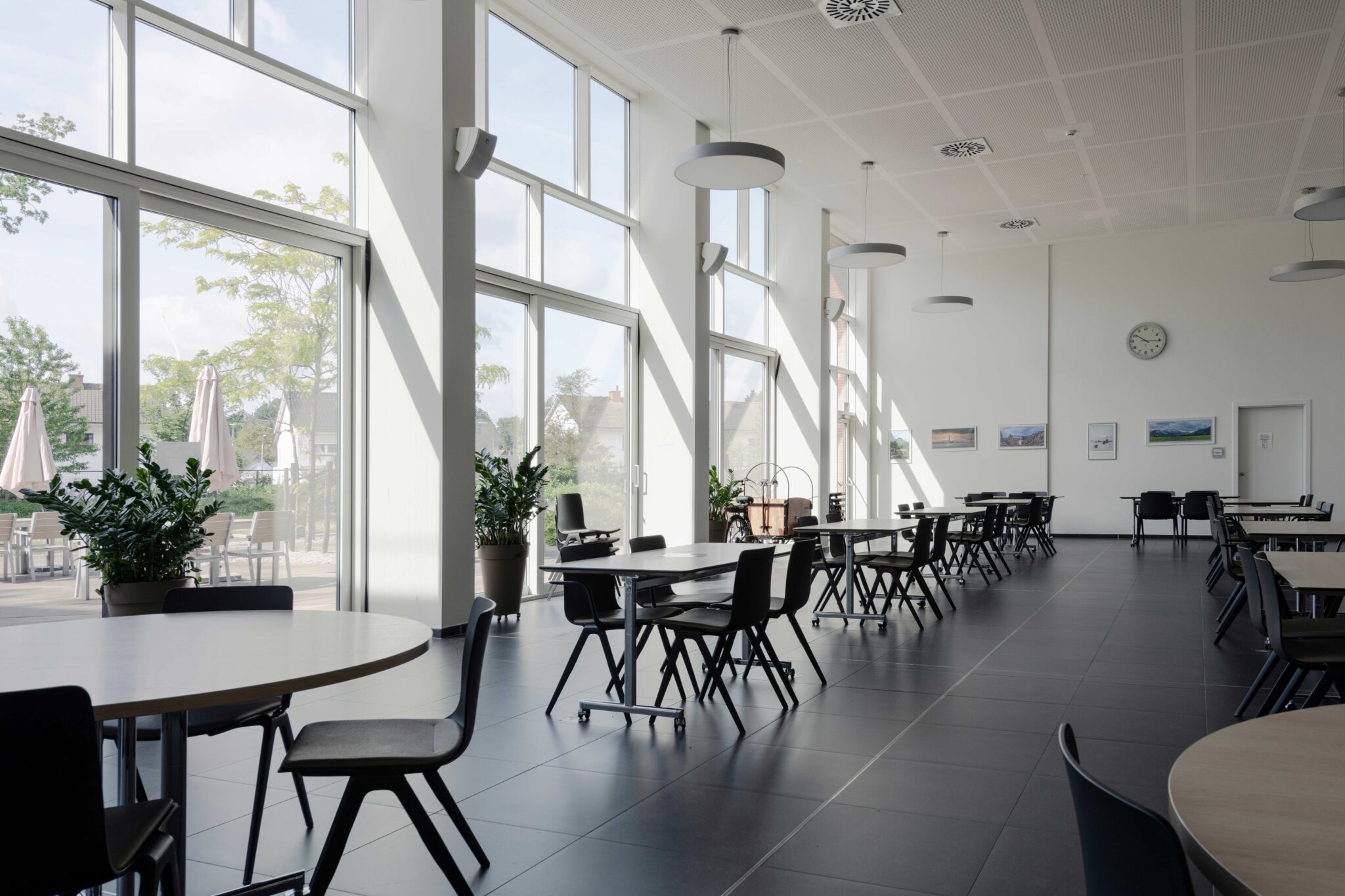
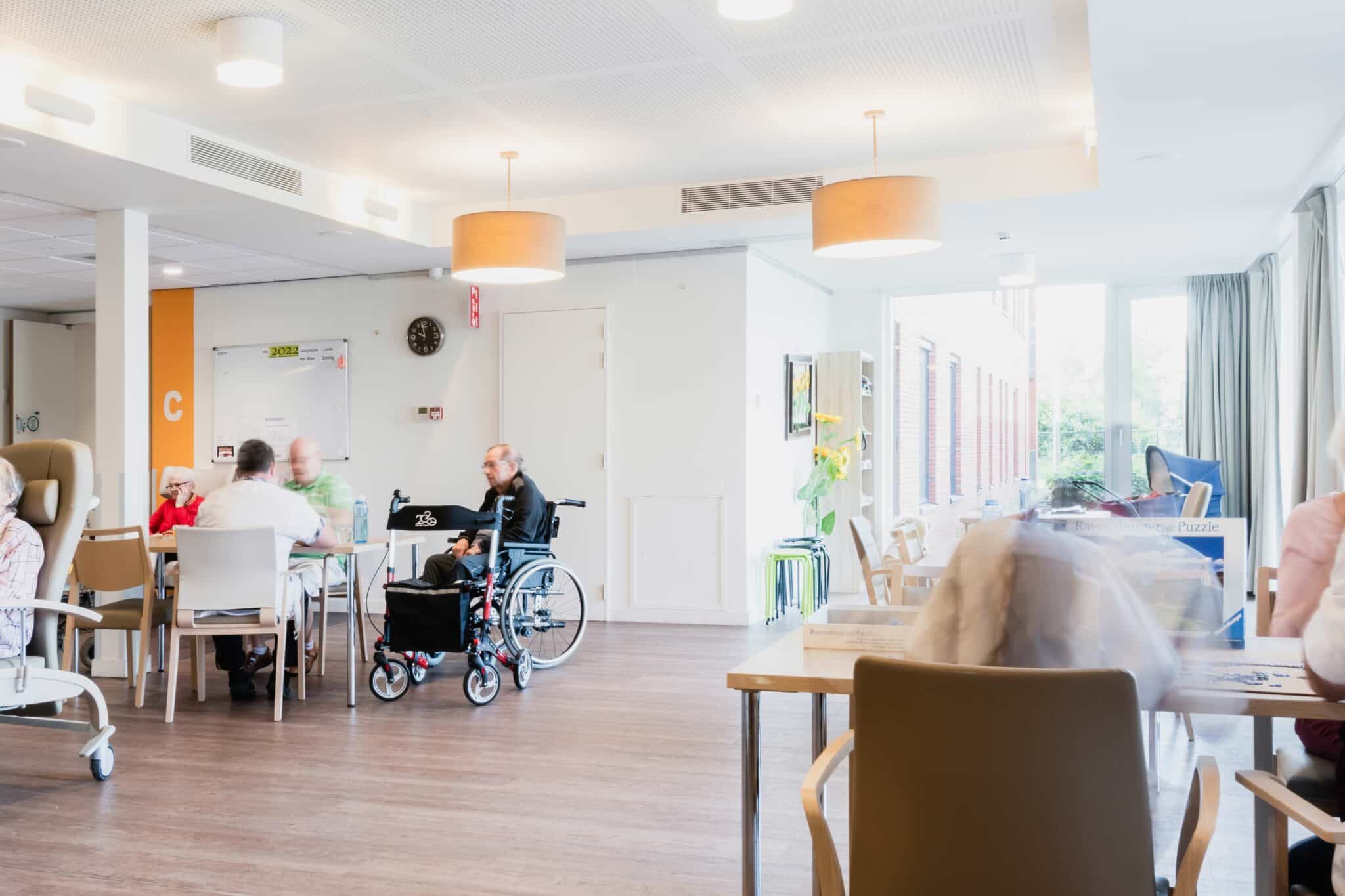
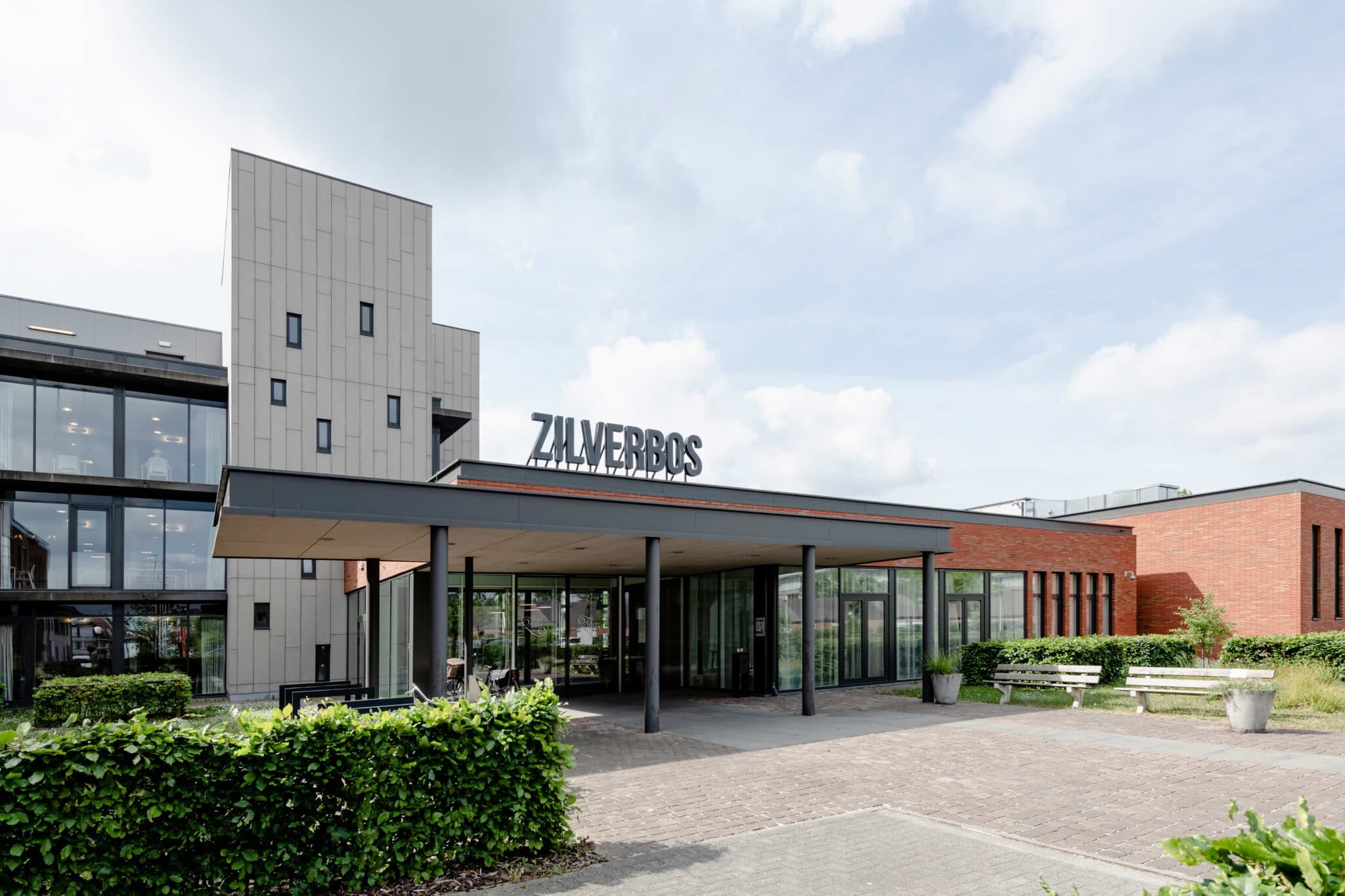
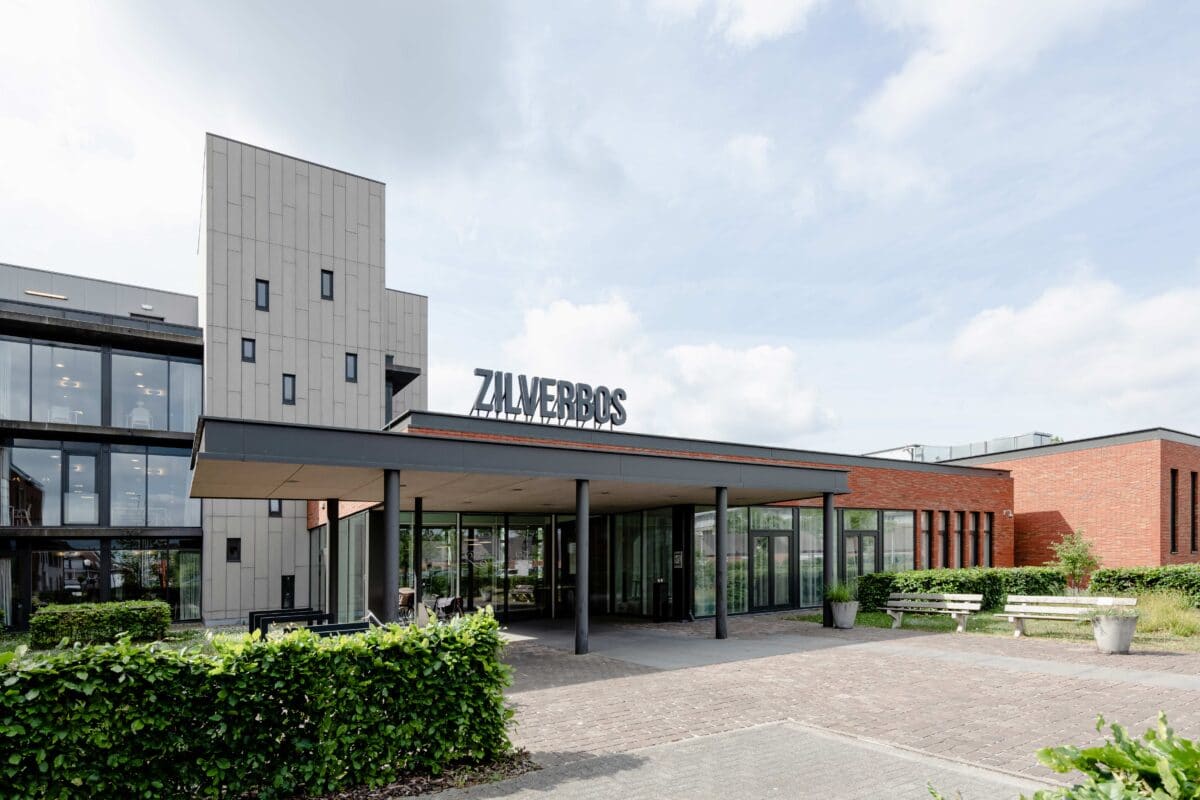
At the request of OCMW Zelzate, we built a  residential care center with 120 permanent residential units and 5 short-term residential units. The complex is arranged for 3 departments, with 3 living groups of about 14 residents in each department.

Central to this project were the residents, the homeliness of the site, the integration of the residential care center in the environment, and the limitation of exploitation and operating costs. Our team was responsible for the design, stability studies, building technology, EPB reporting and environmental planning.

Homely design with a view of the surroundings

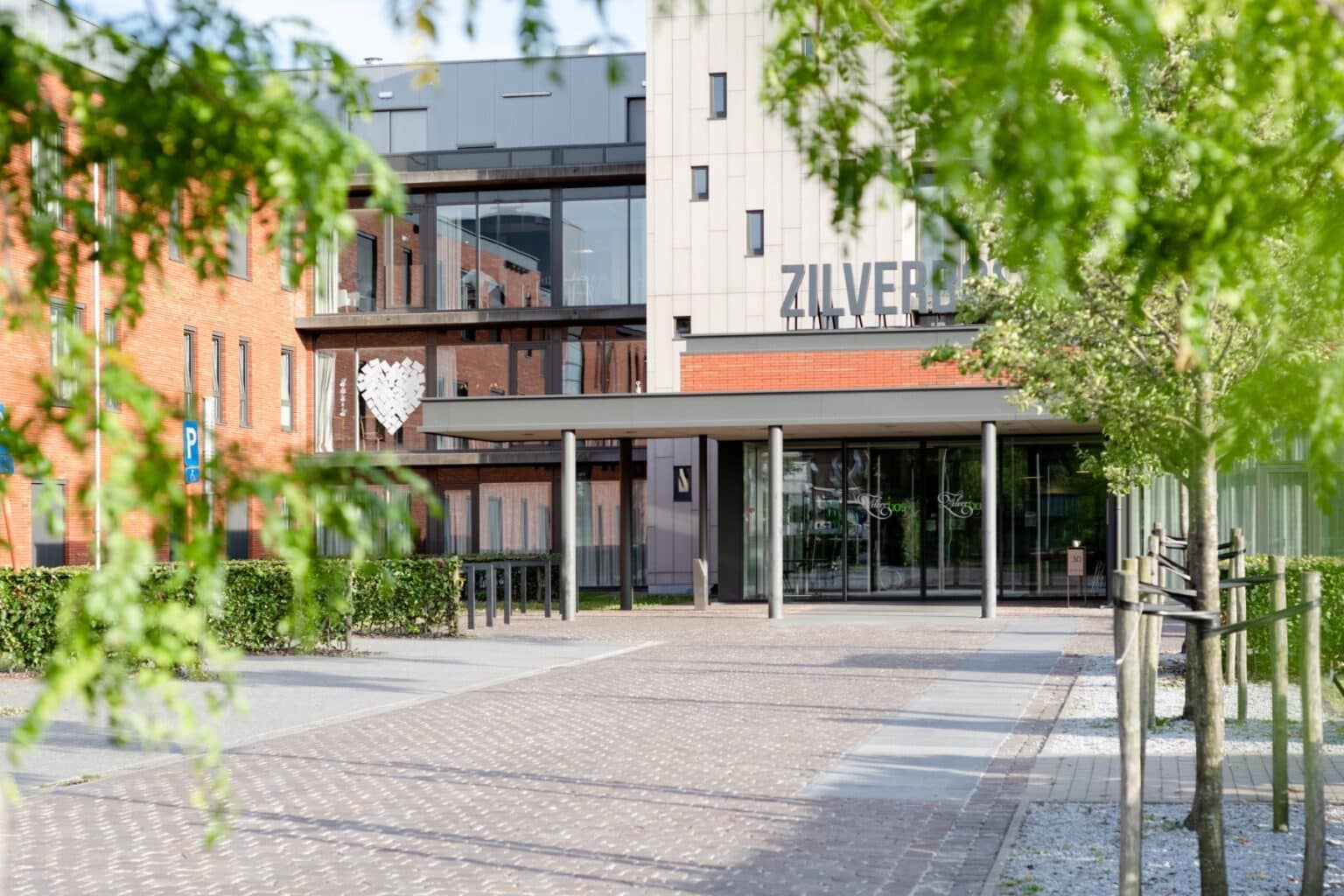
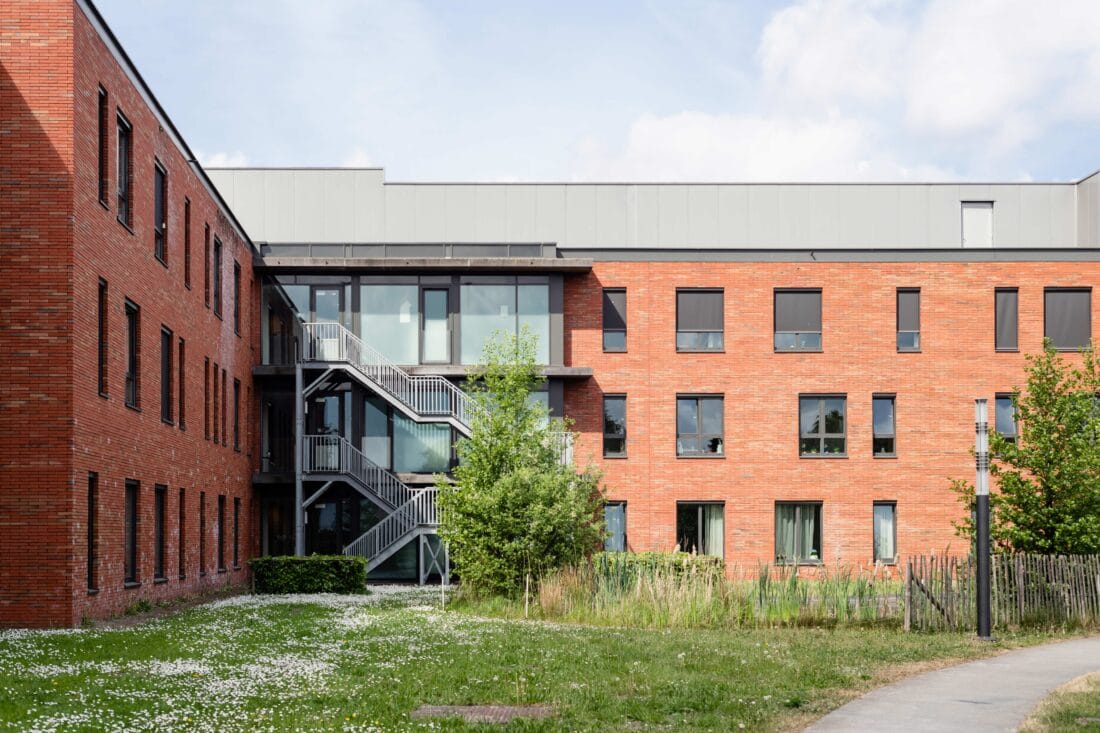
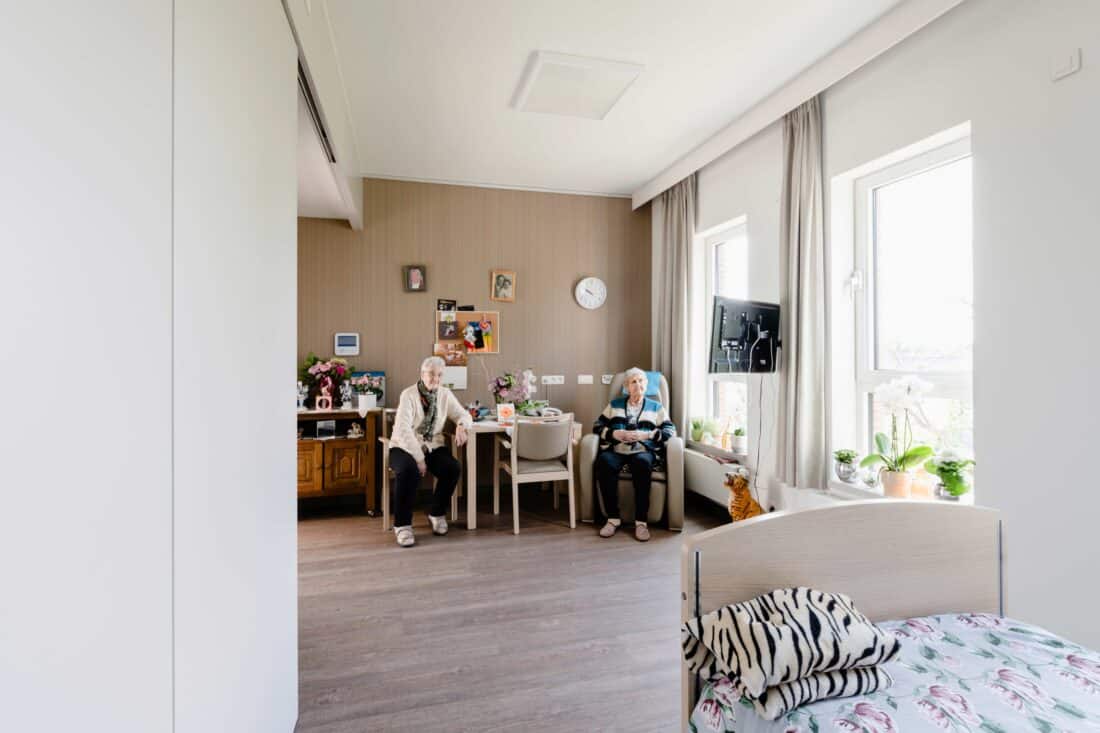
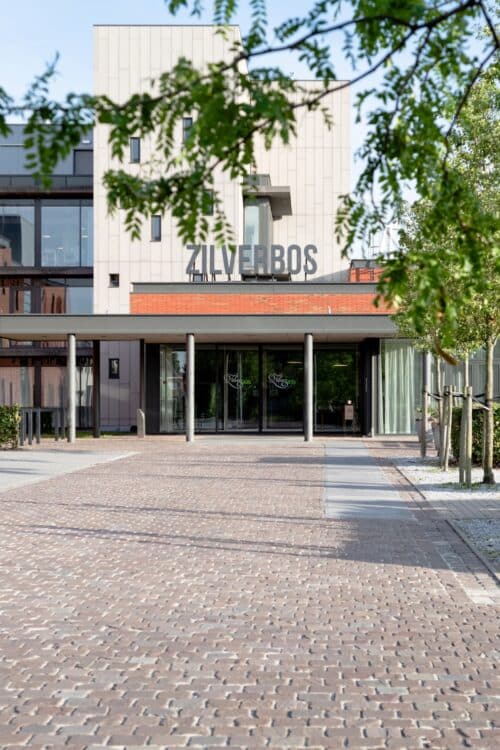
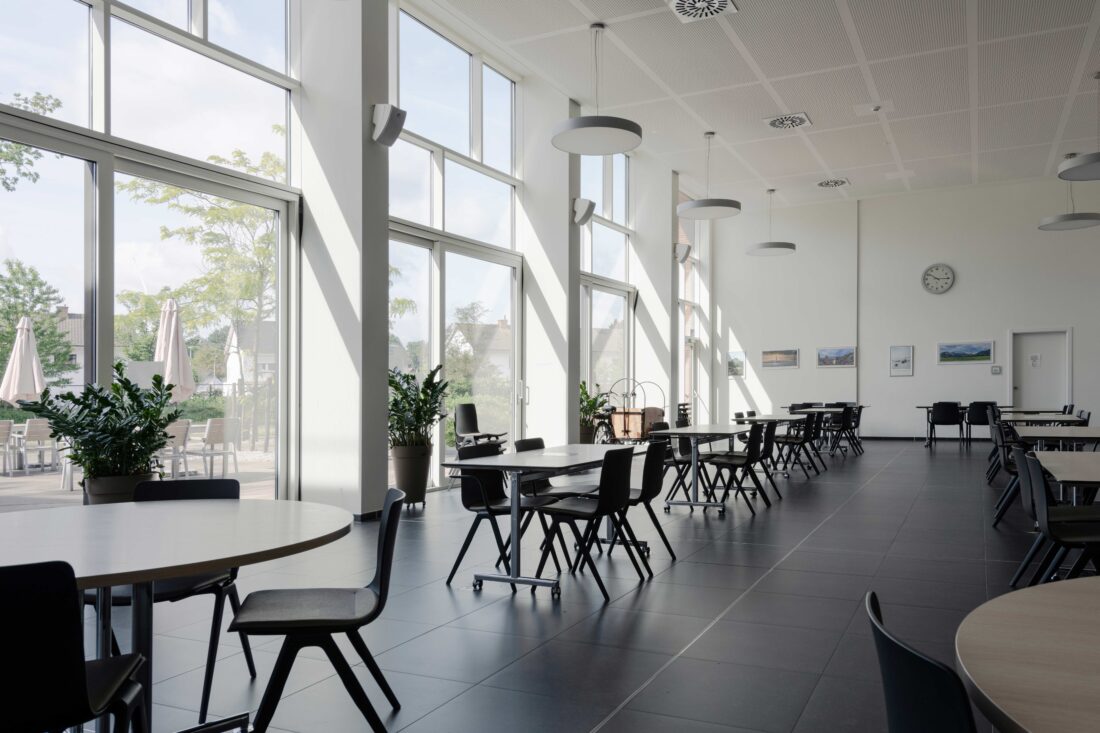
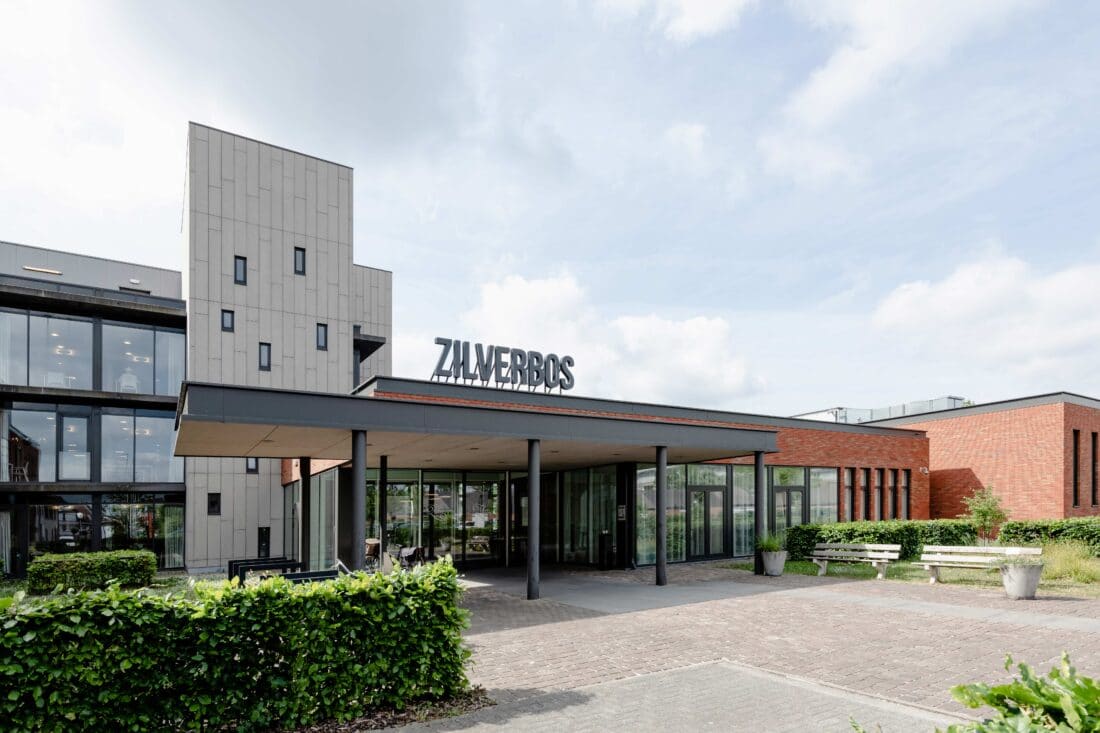
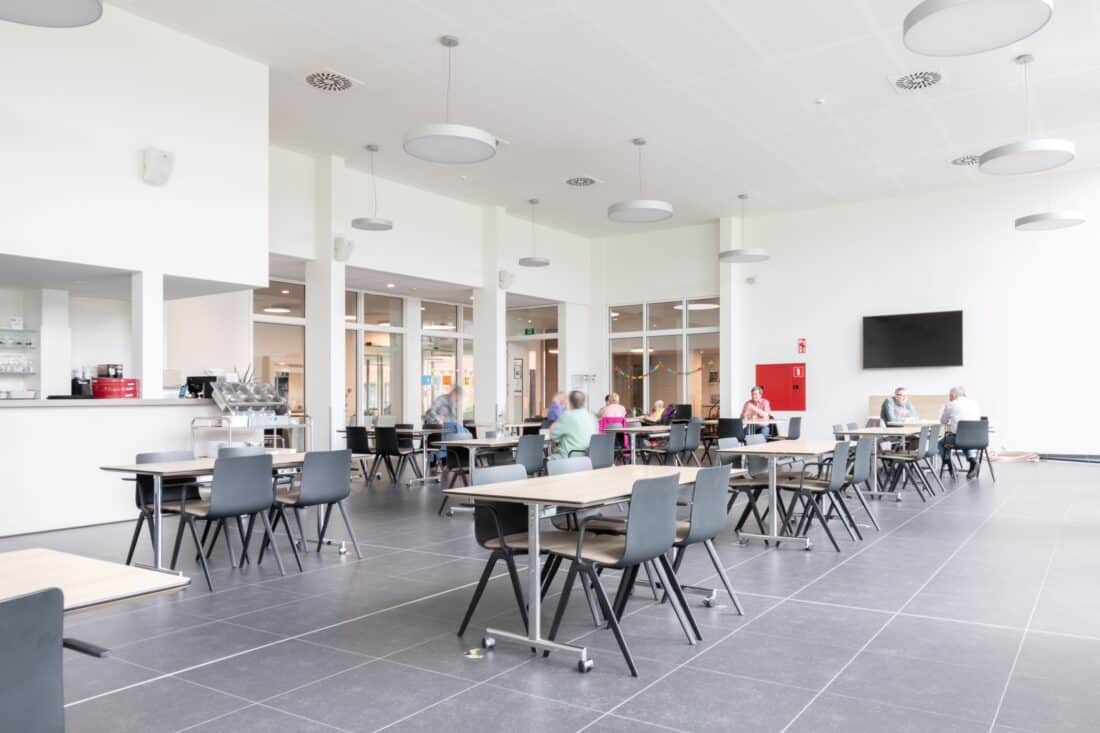
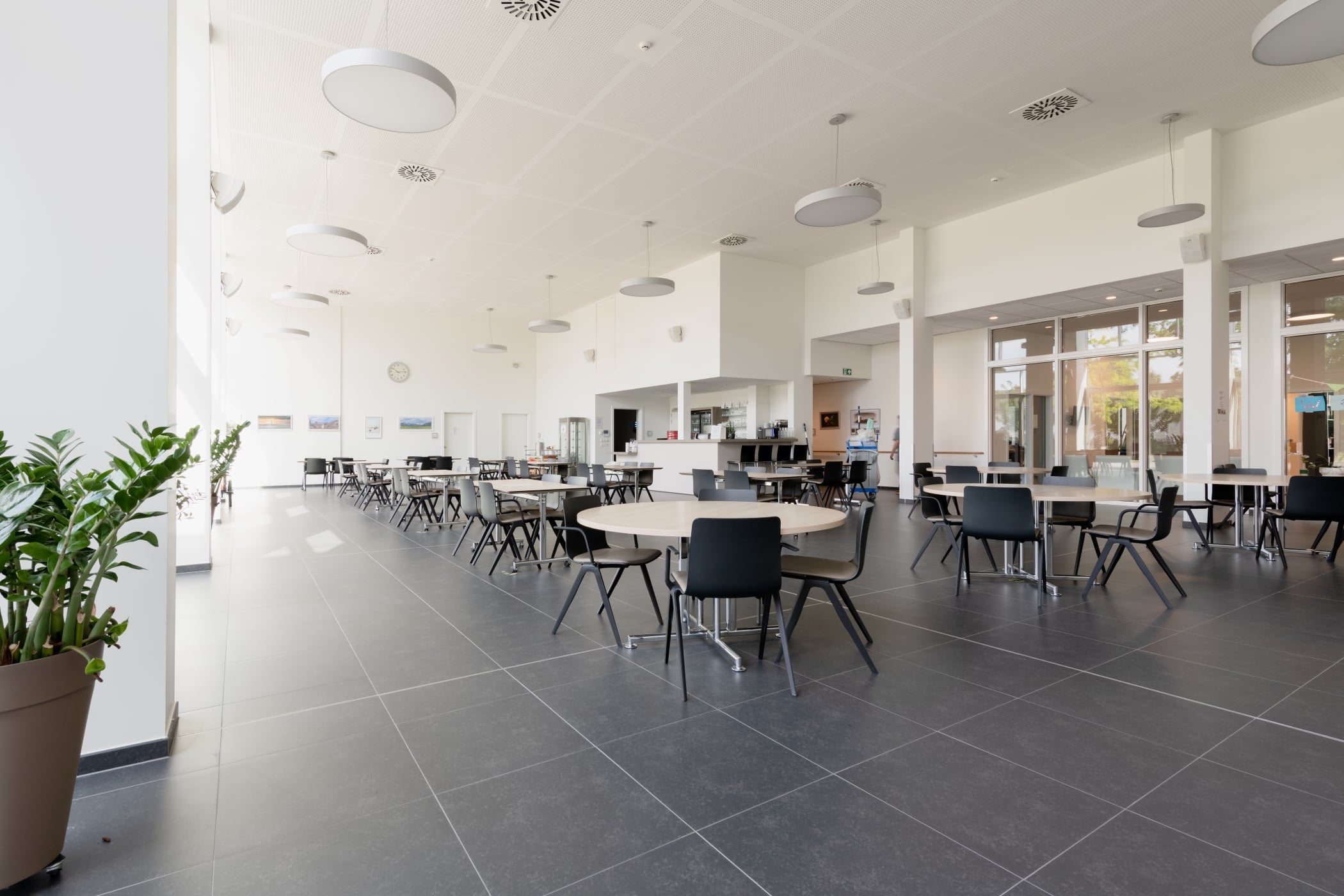
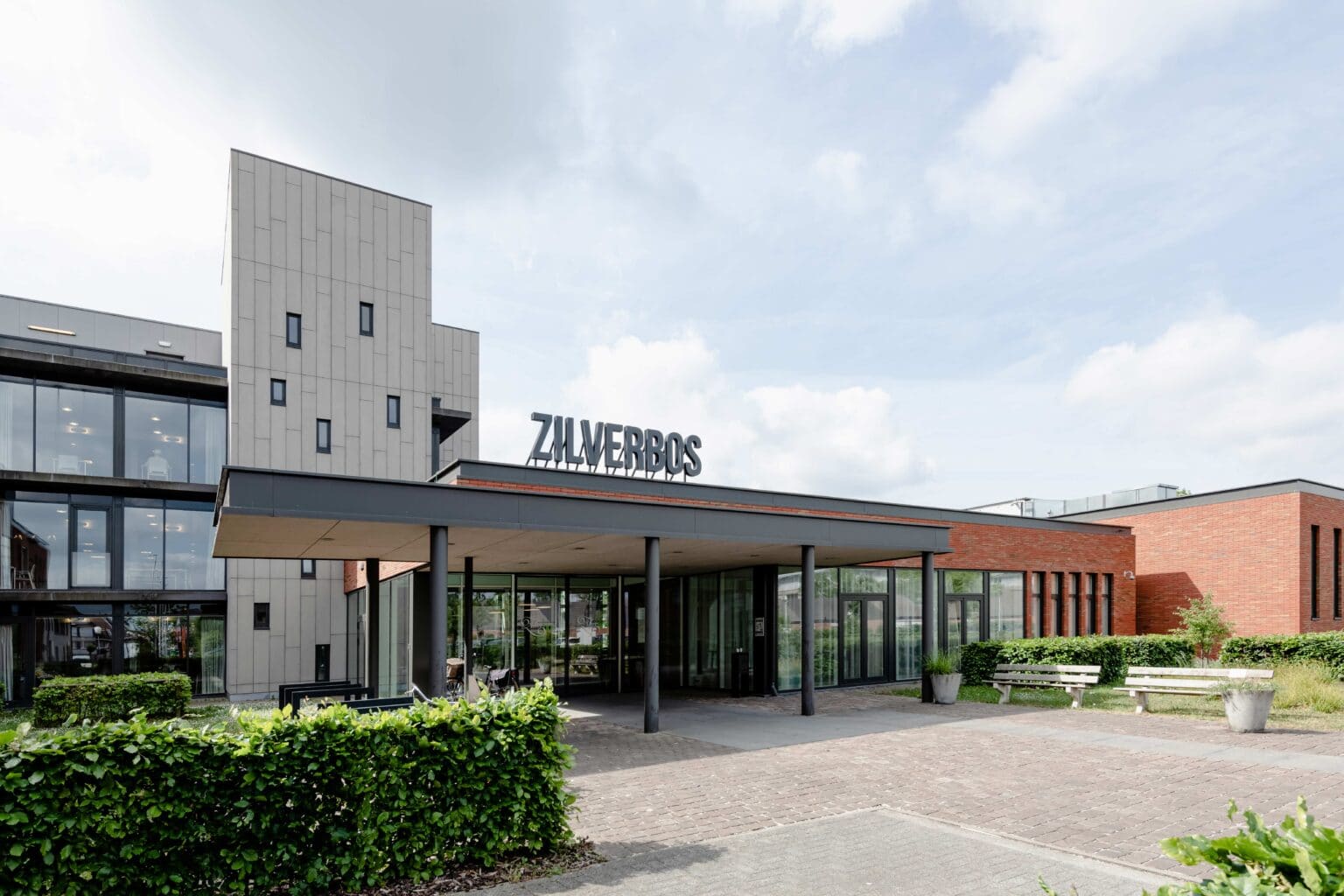
We designed the residential care center in Zelzate as a central core with four wings, which fan out as much as possible from the core to improve the view from the rooms. In addition to comfortable single rooms and communal terraces on three levels in the three wings, we provided a reception, communal meeting room, administrative areas, kitchen and staff room on the ground floor. Each living group was also given a common living room and dining room with a view of the surroundings. The corridors were visually shortened with offsets and niches to create a homely feel.

Warm, durable materials

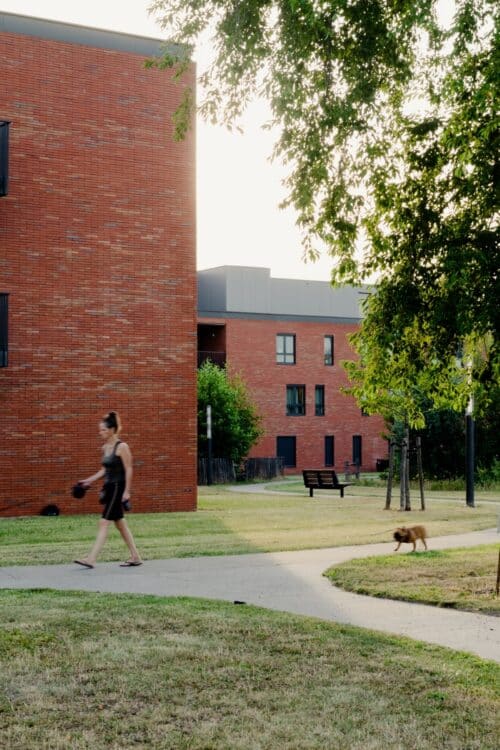
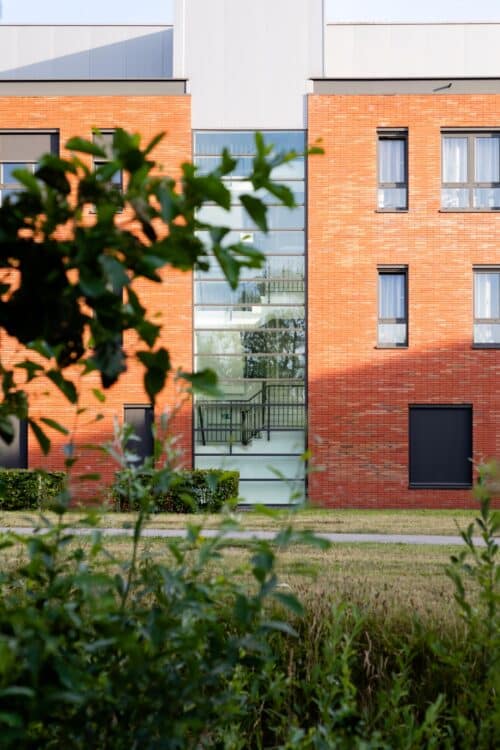
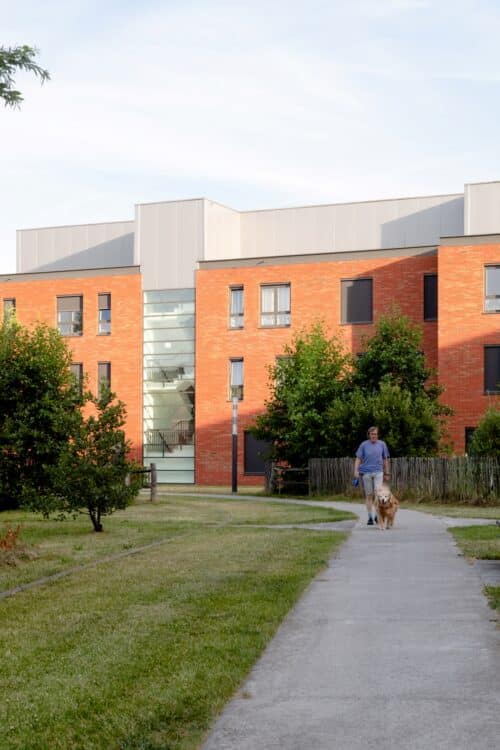
The facade was made of glued bricks and aluminium exterior joinery, for reasons of sustainability and to reduce (maintenance) costs. We finished the floors of the rooms with a heterogeneous plastic with a wood pattern for a warm, homely feeling. One of the room walls was each time finished with textured wallpaper in an accent colour, the rest was painted in a light colour. The corridors were given a synthetic floor and handrails along both sides.

Modern techniques

The rooms are heated with radiators, all other rooms are equipped with floor heating. Furthermore, the living areas are equipped with a cooling system, all rooms are ventilated according to ventilation type D – balanced ventilation with heat recovery – and each room has its own shower, fed by a circulation network and heated by a solar water heater on the roof of the residential care centre. To save energy, the lighting in the common areas and bathrooms is controlled by motion sensors. Of course, all rooms are also equipped with a care call system with touchscreen and radio.

Accessible, green environment

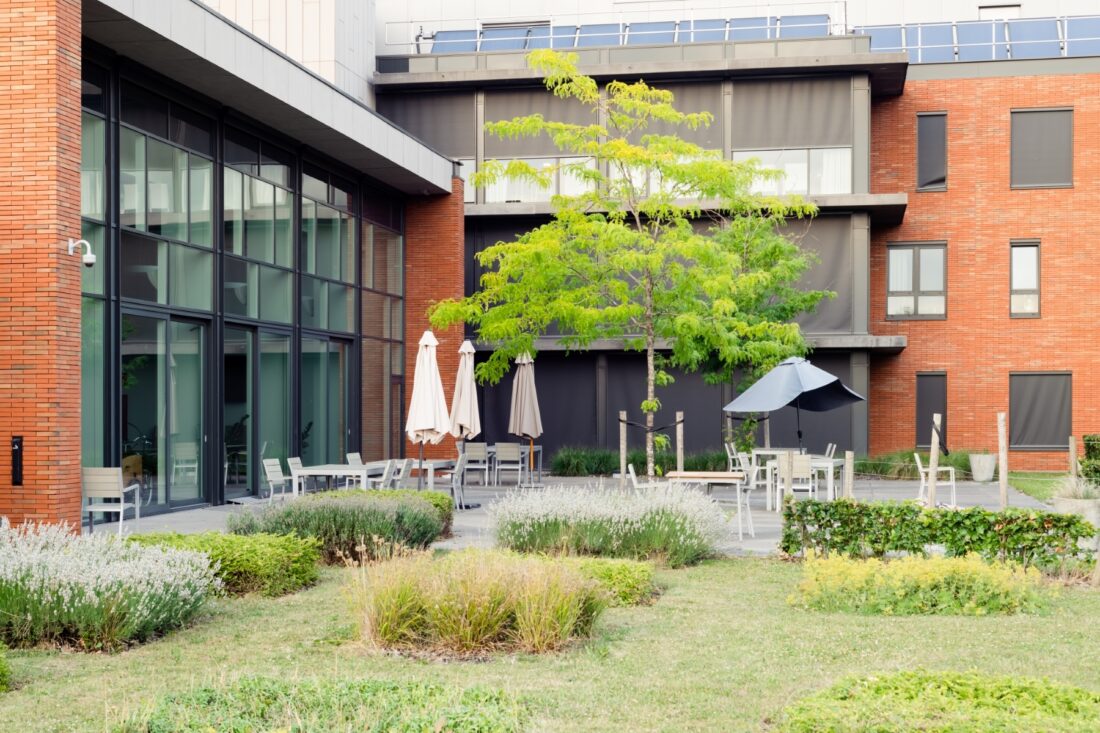
The domain around the residential care center has been designed as a semi-public space, so that the site – and therefore also its residents – remain integrated into the daily life of the area. For example, the paths were connected to public (pedestrian) roads to encourage spontaneous encounters. We are fully committed to circular walking routes on a flat, accessible surface, and also provided an enclosed garden for residents with dementia, which connects to the dementia department on the ground floor. We also provided parking space for urgent services near the main entrance, a zone for short-term parking, and a terrace at the cafeteria.

For the green design, we aimed for a maintenance-friendly concept, with lavender, roses and hydrangeas close to the terraces and extensively managed grass areas around the paths. Various elements from the surrounding park zone, such as trees and hedge structures, are reflected in the terrace of the cafeteria, which extends the interplay of lines of the architecture inside to the outside.

Stiemer, Genk

Stiemer, Genk

2022
EvoltaProjectsStiemer, Genk
Client
Aquafin
Location
Genk
Architect
Team People & Environment

Stiemer as a reborn blue-green landscape pearl in Genk

Water problems in the Stiemer Valley tackled with ambitious master plan

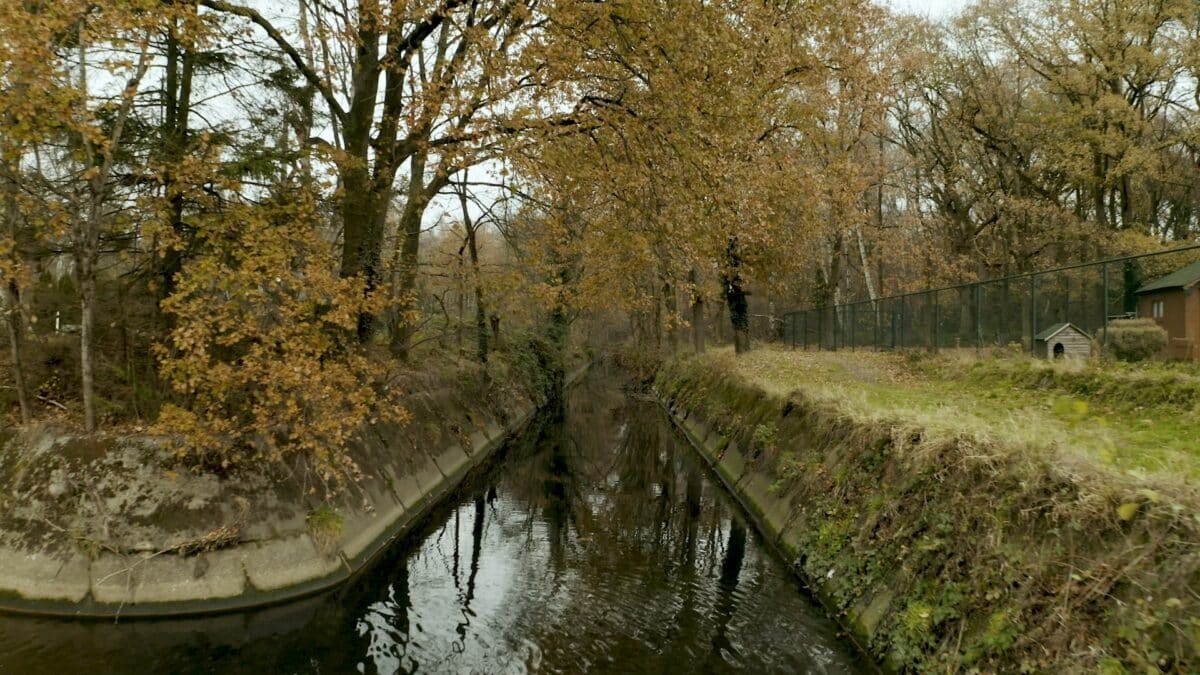
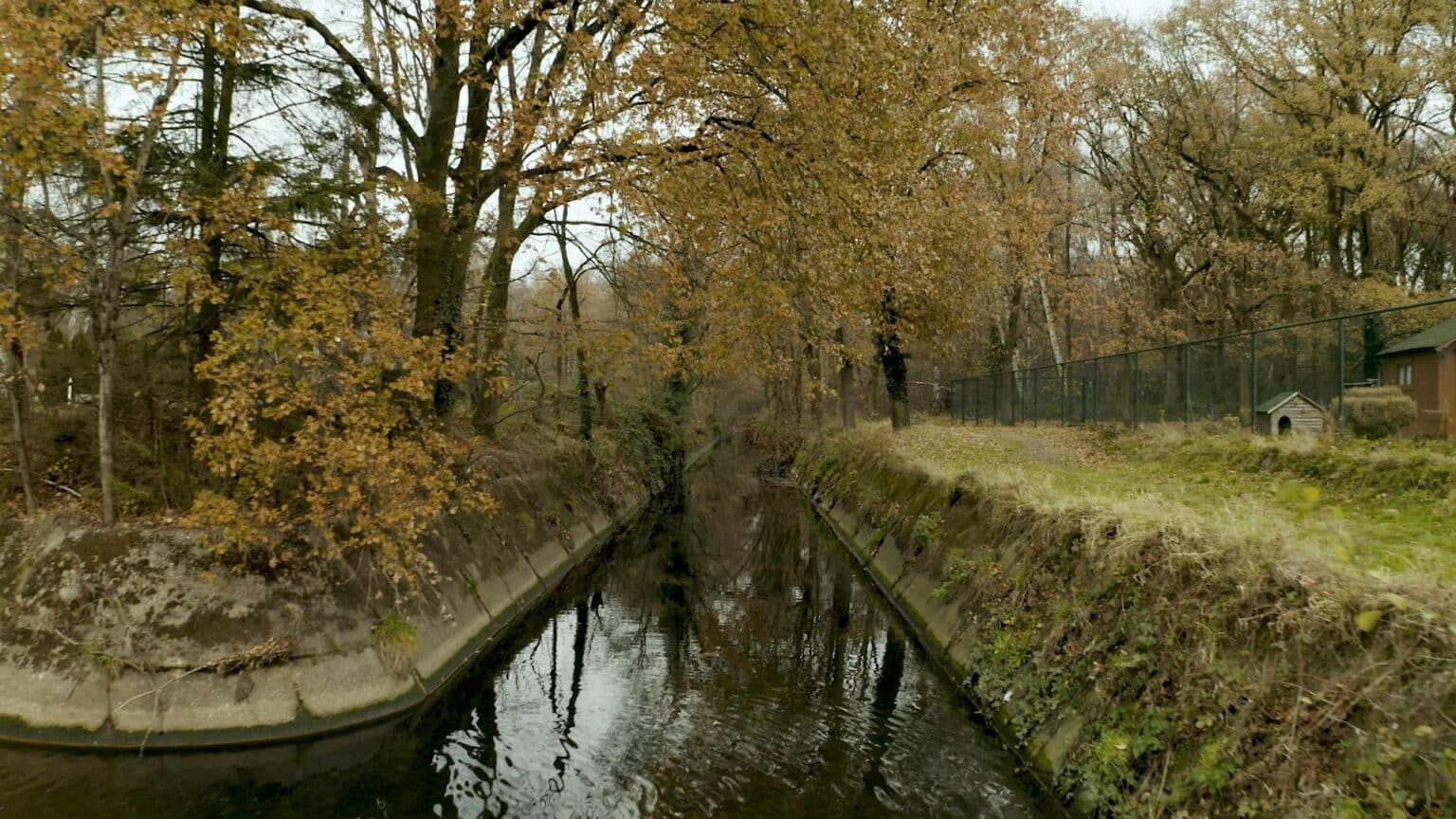
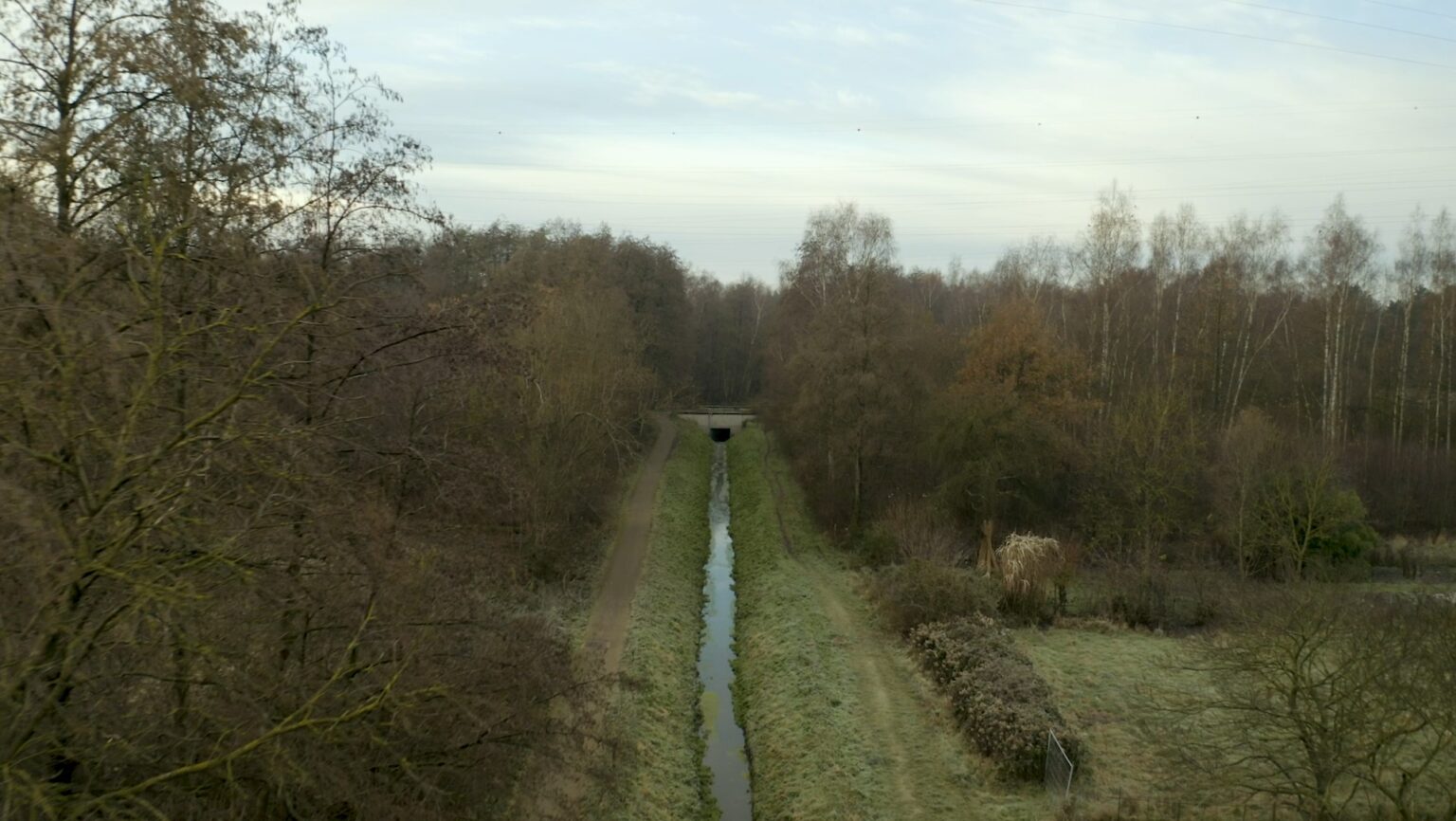
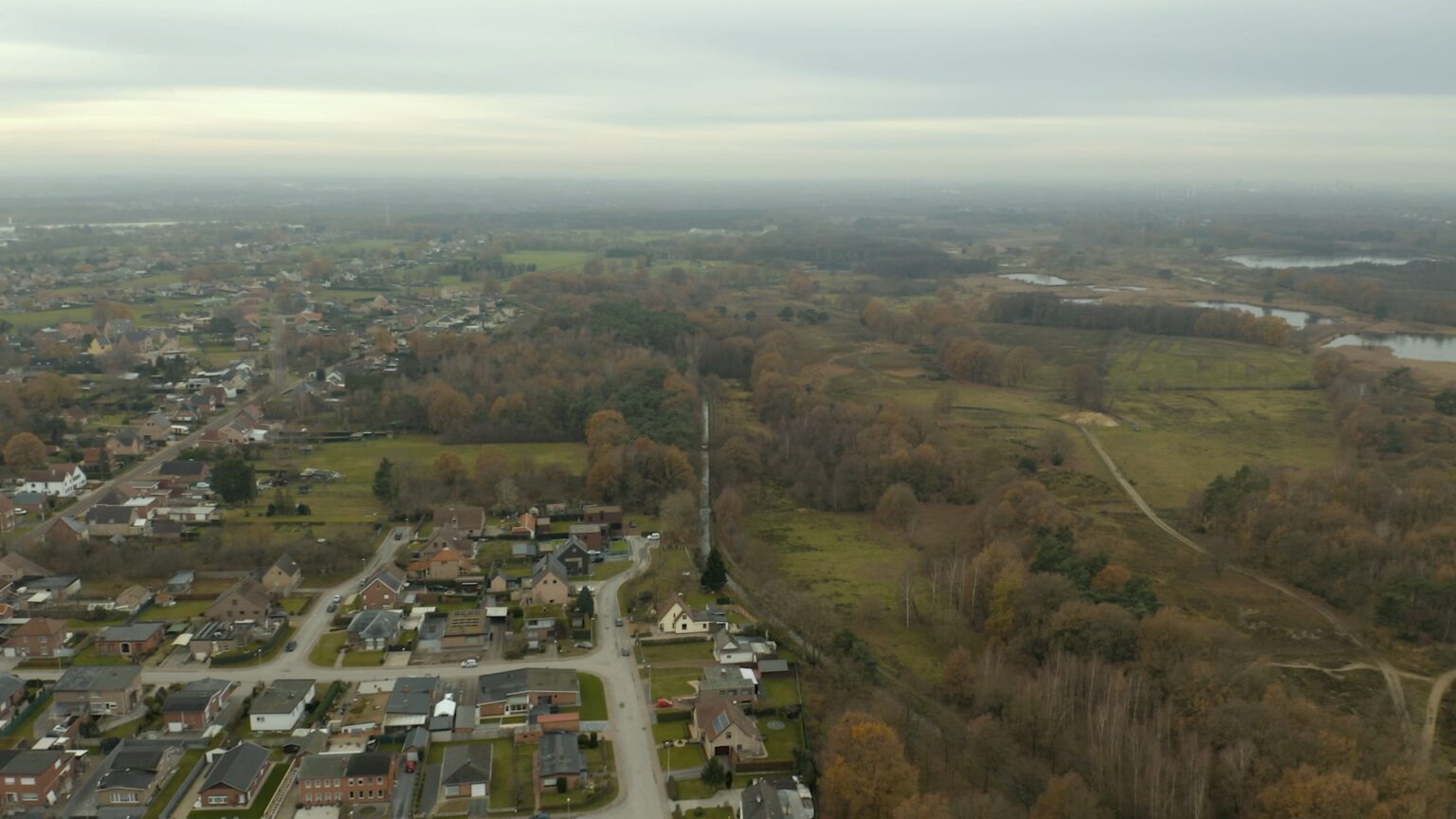
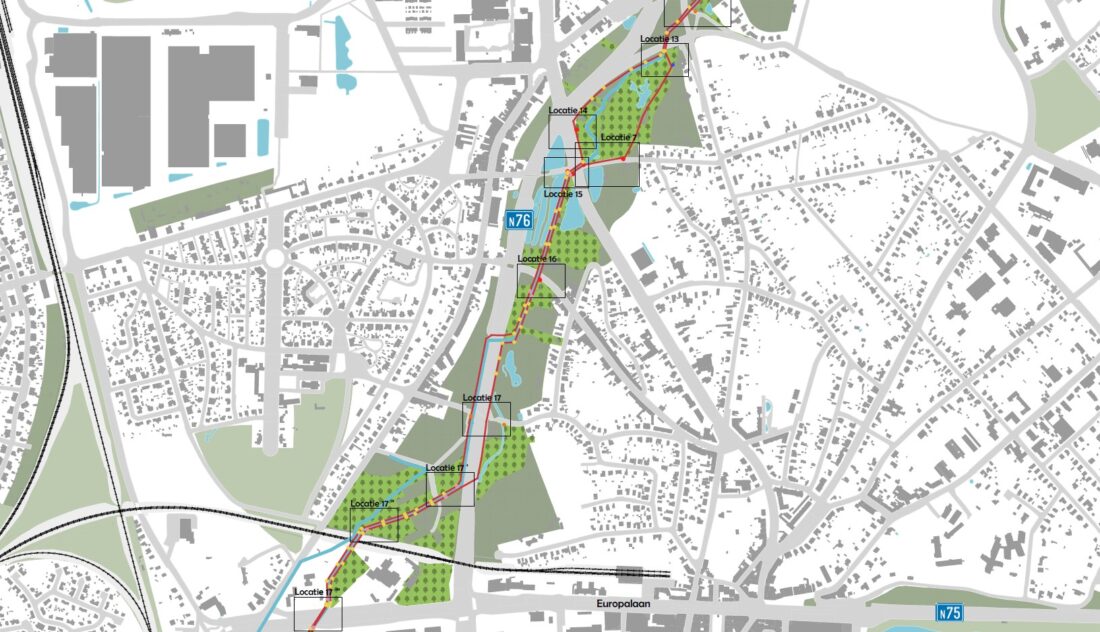
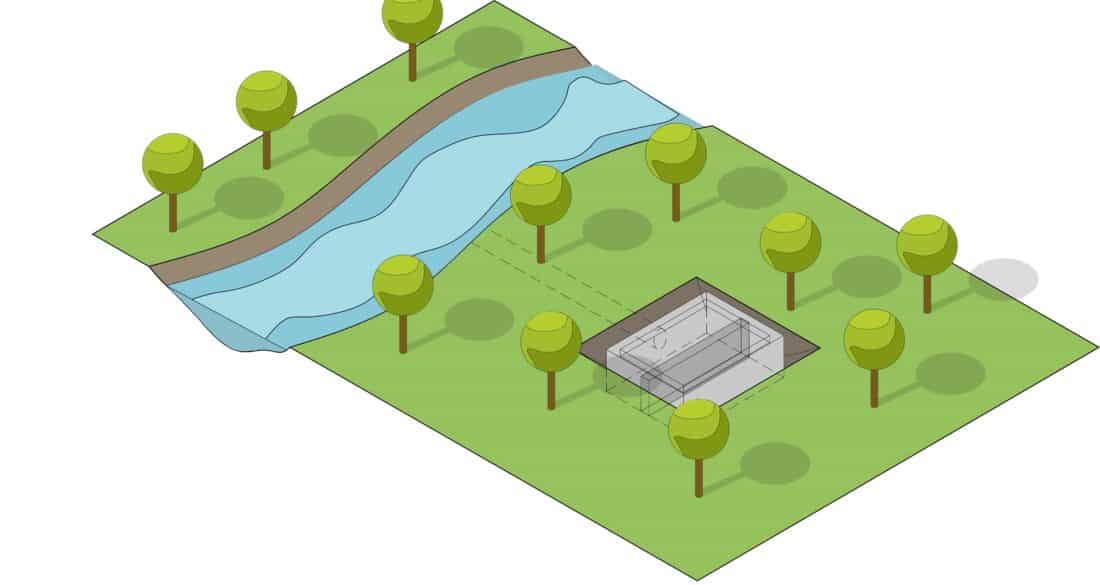
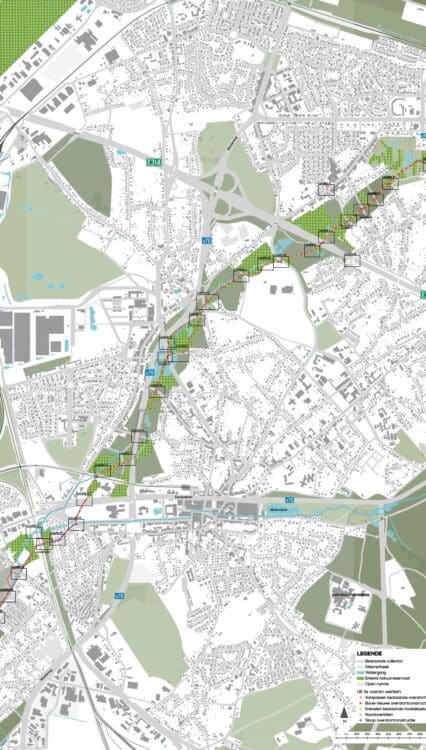
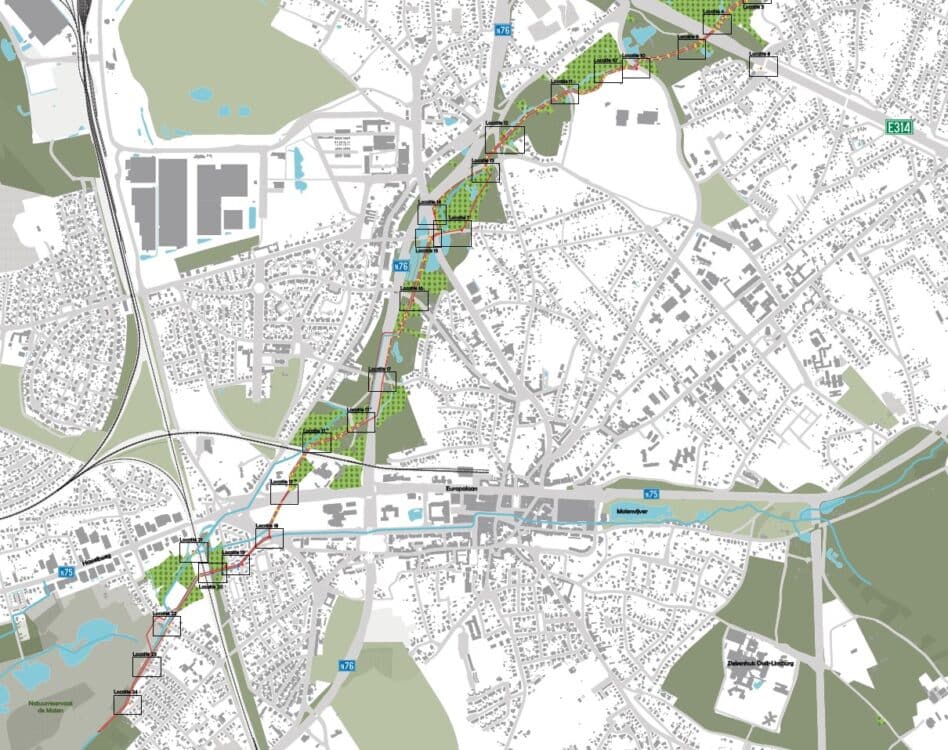
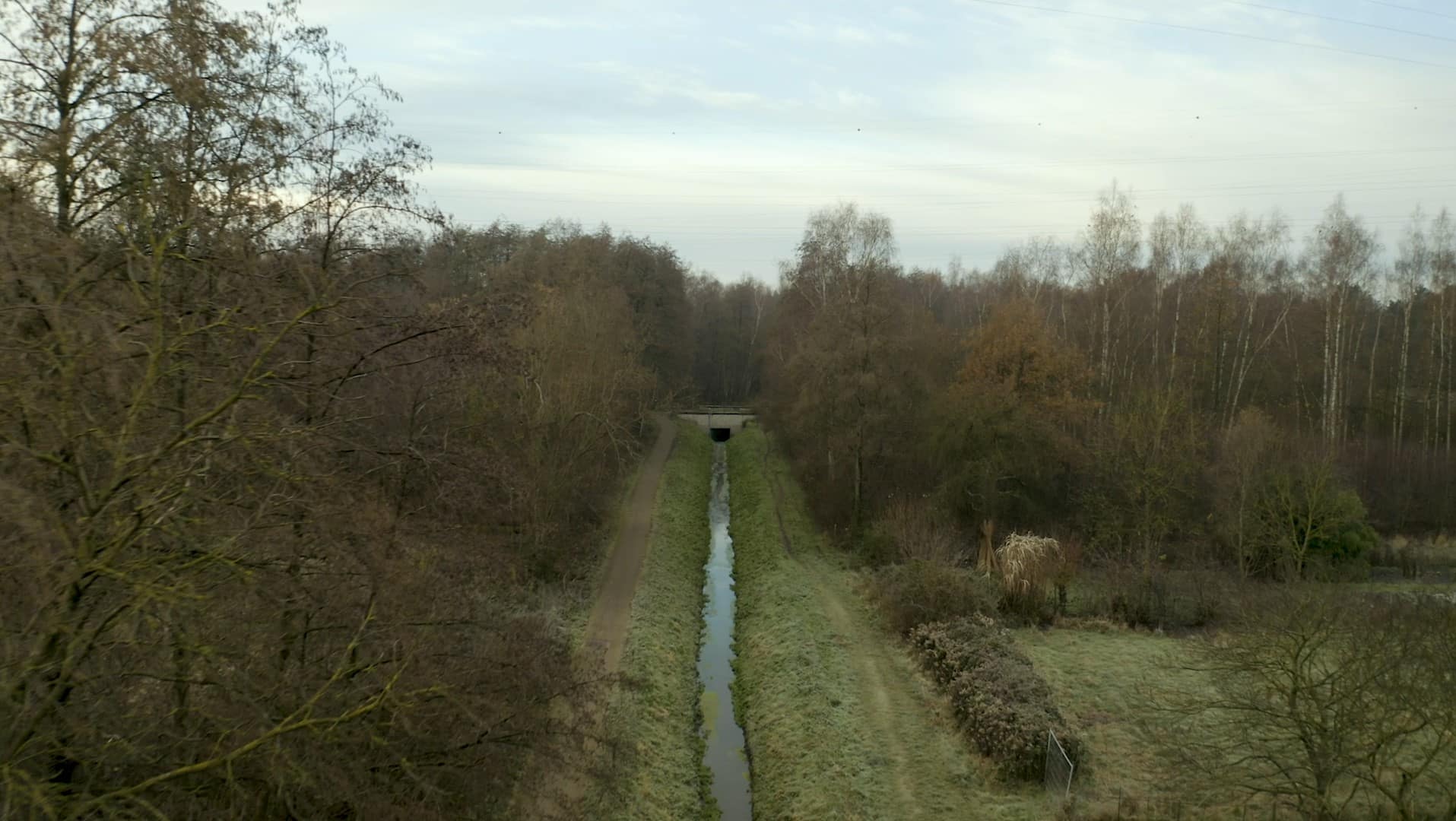
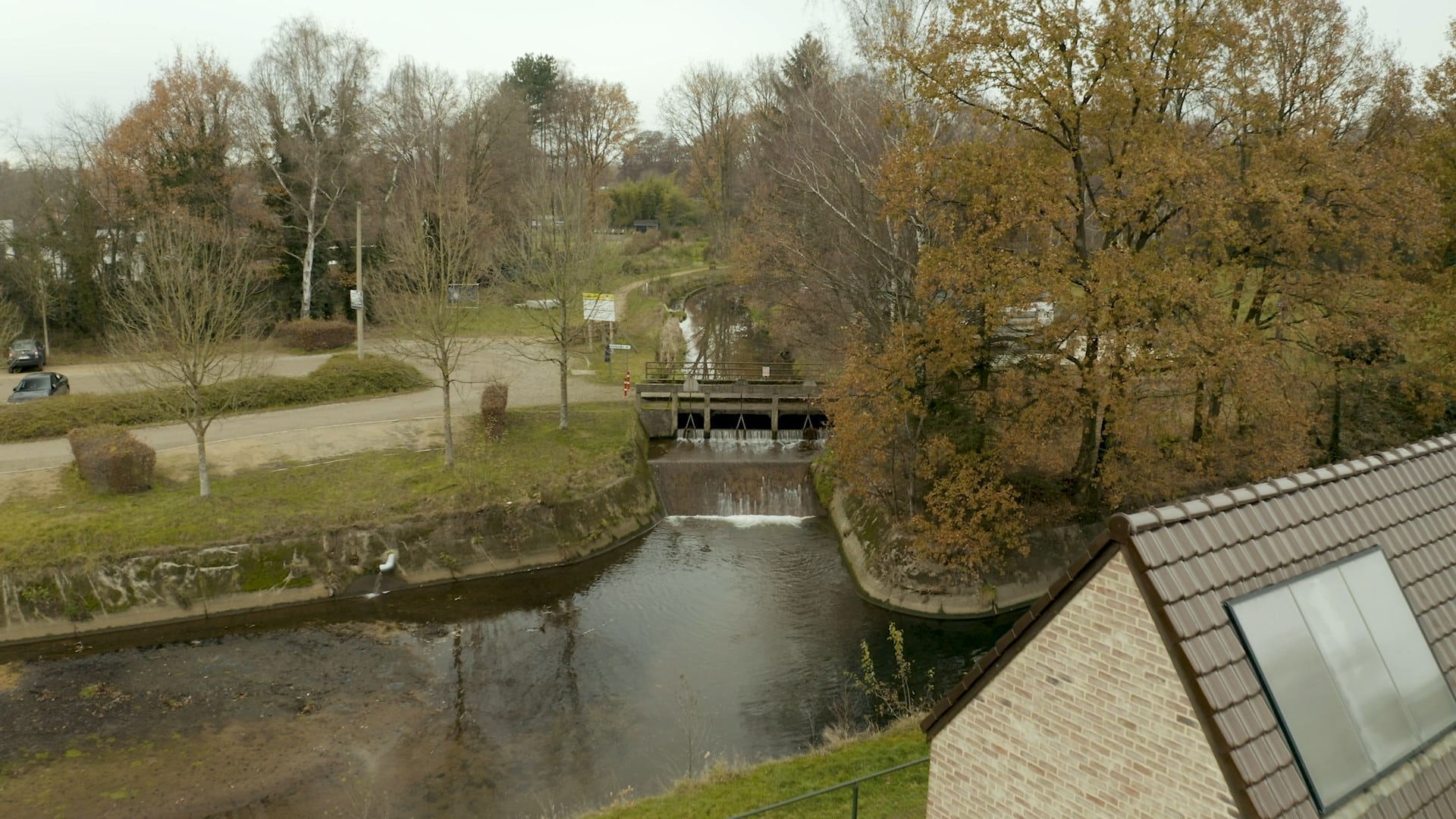
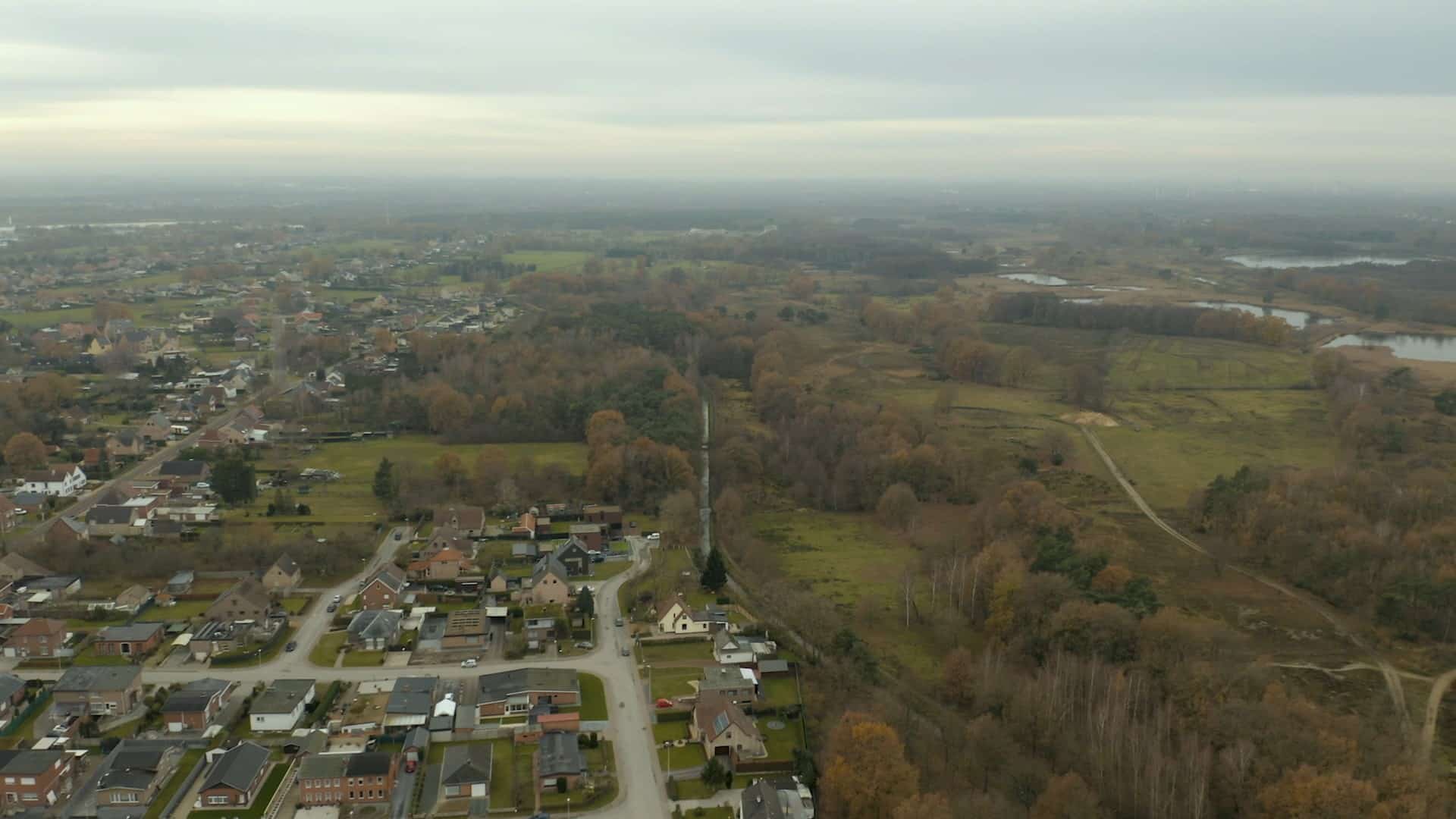
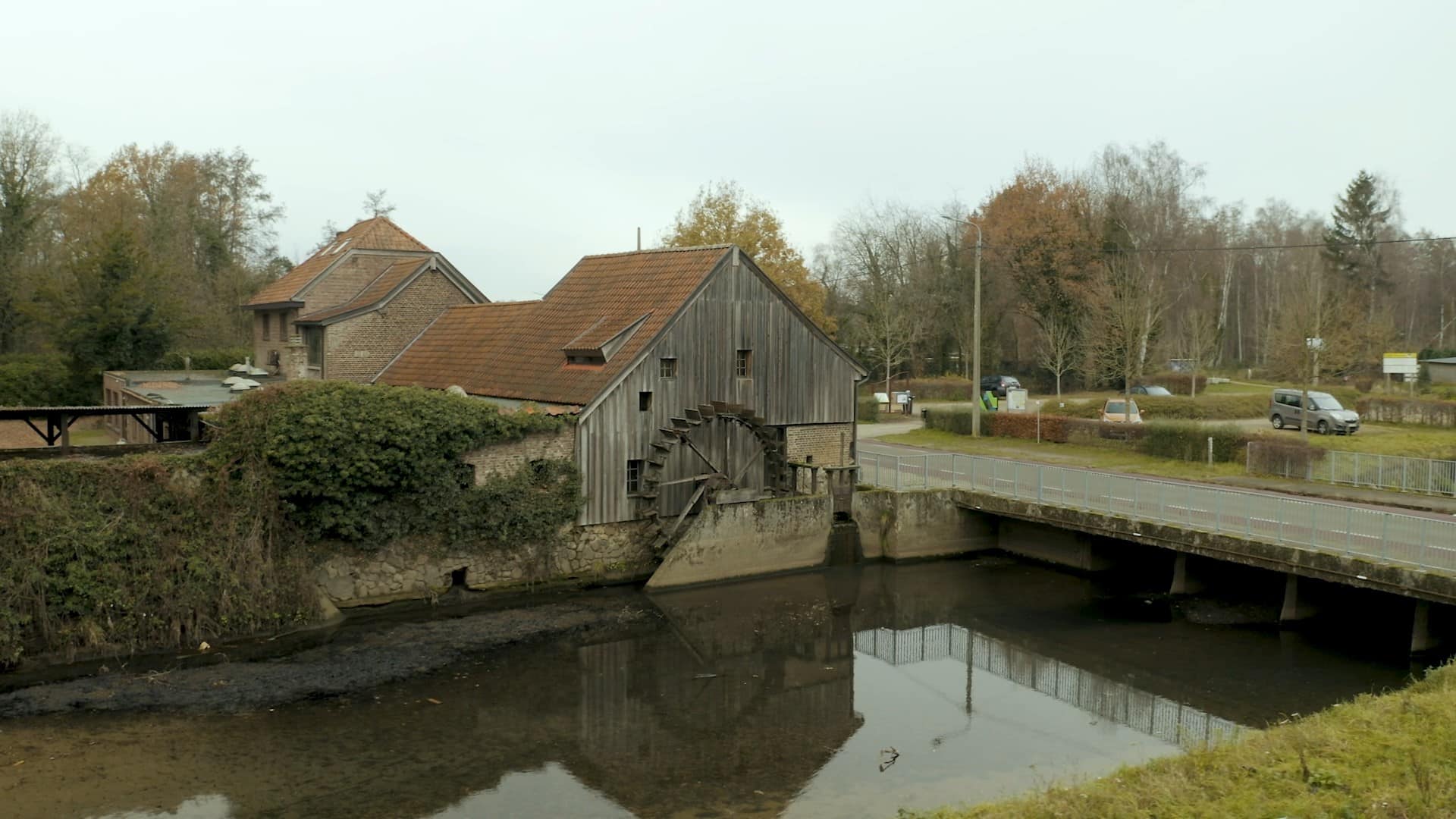
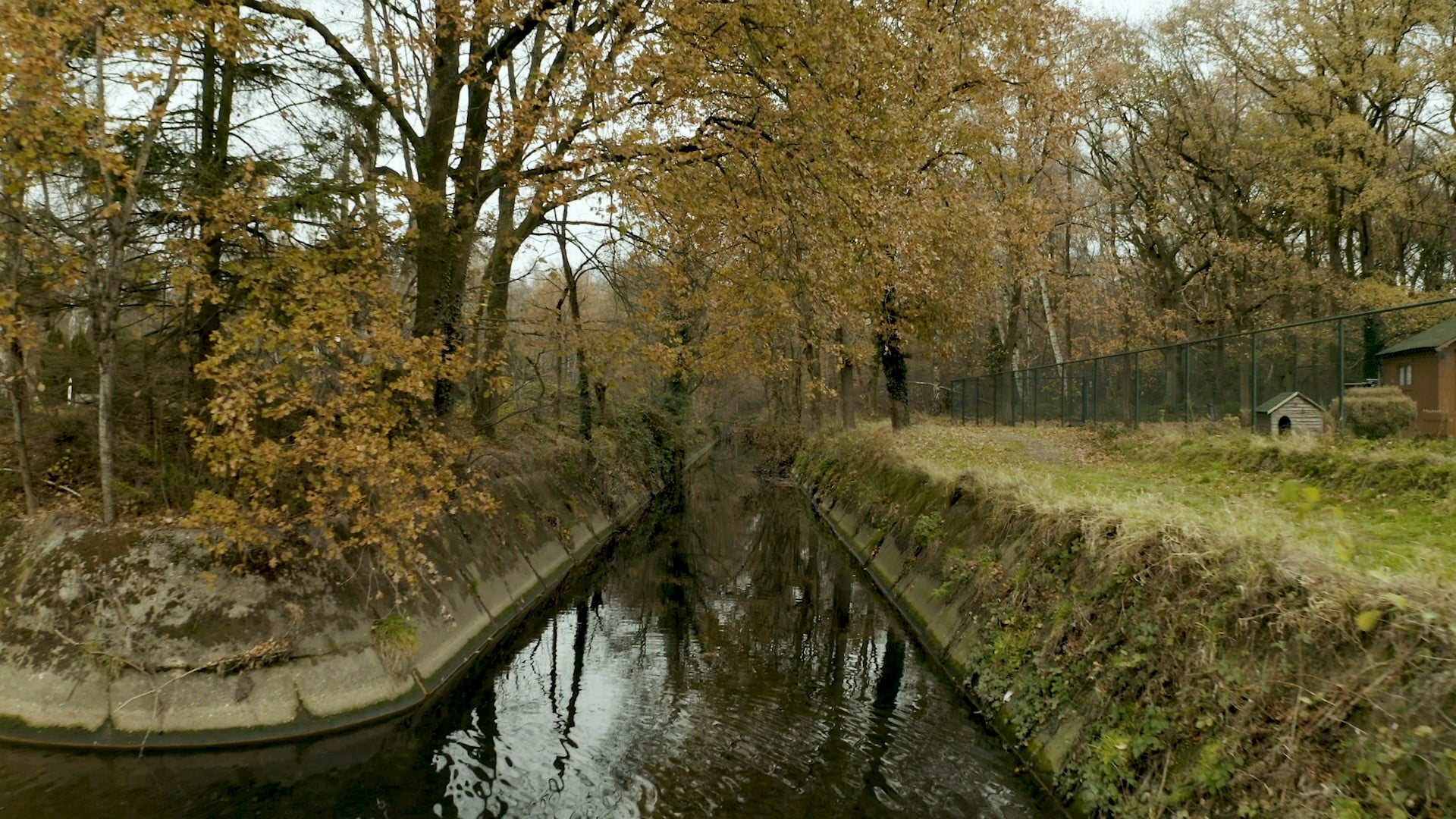
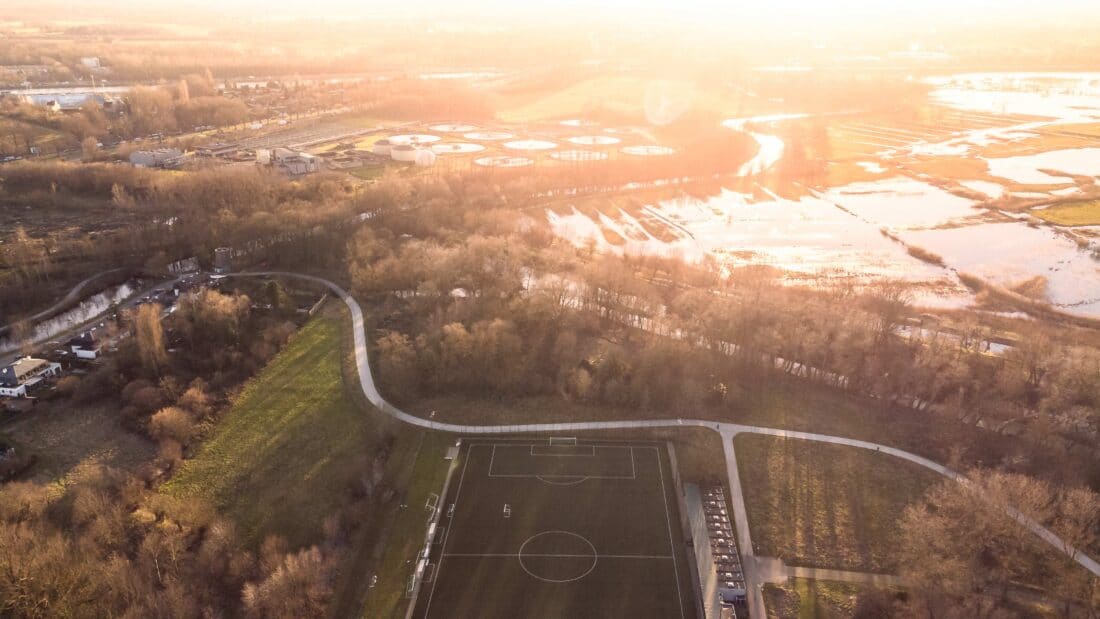
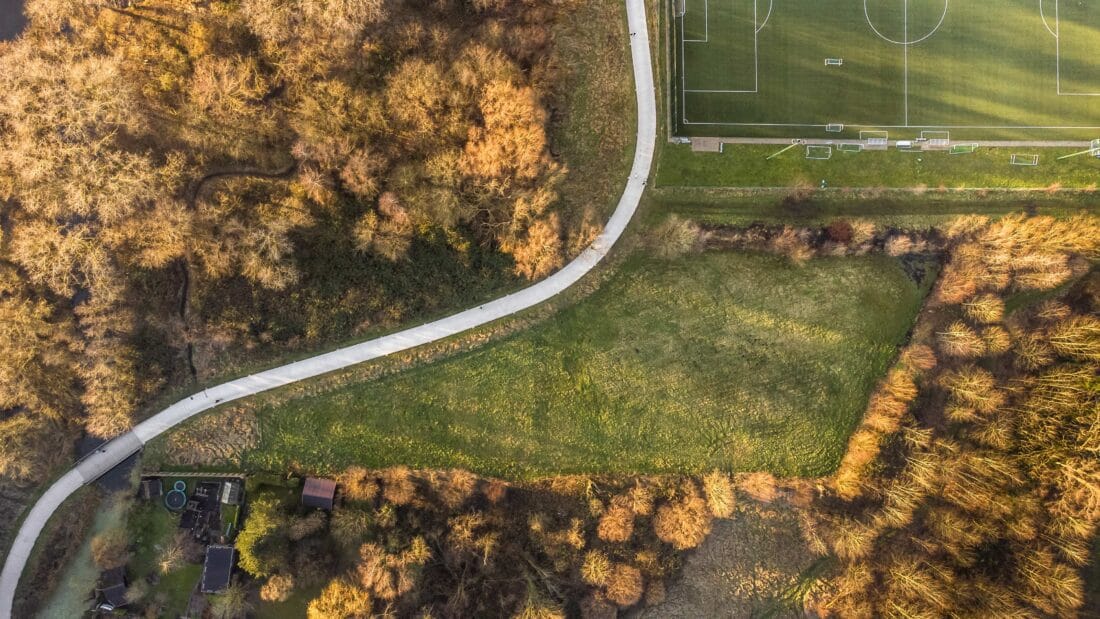
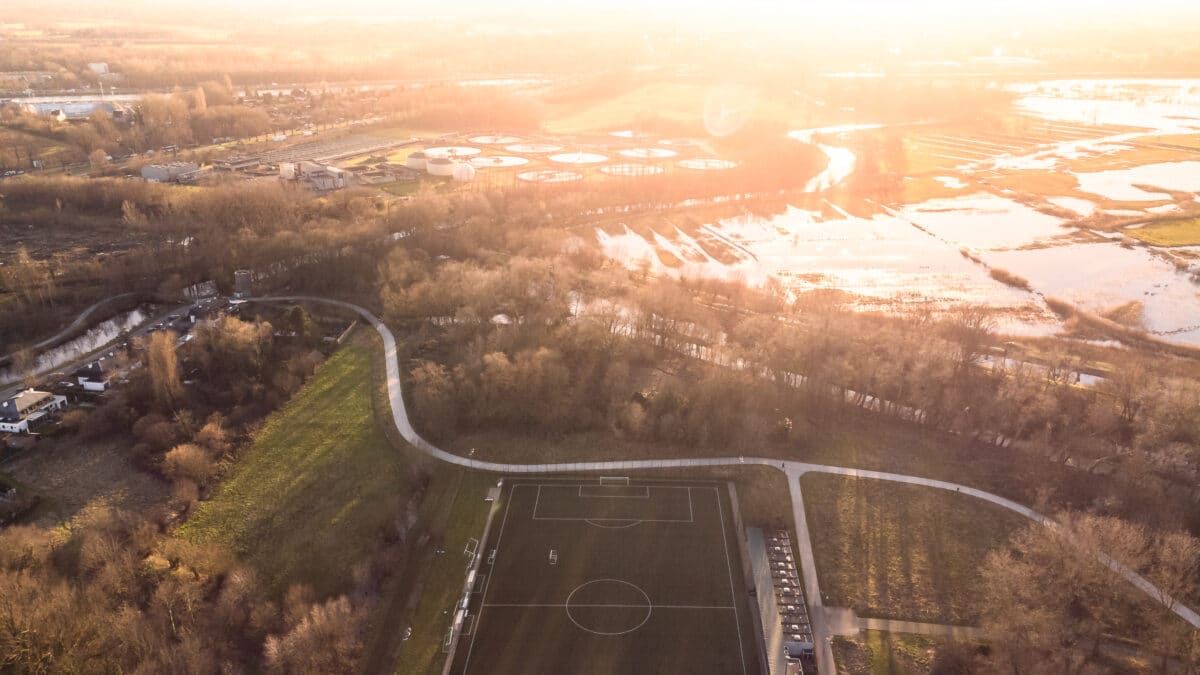
The Stiemer Valley is a green-blue vein that runs through the heart of Genk, Limburg. The Stiemerbeek that runs there is accompanied by two Aquafin collectors on both sides that drain wastewater, but due to an outdated system and heavier rainfall, the region had to contend with waste nuisance and odour nuisance. Aquafin has joined forces with the city of Genk and our People and Environment team to tackle the water problem. Goal? Improve the water quality of the Stiemerbeek and prevent surface water from flowing to the collectors.

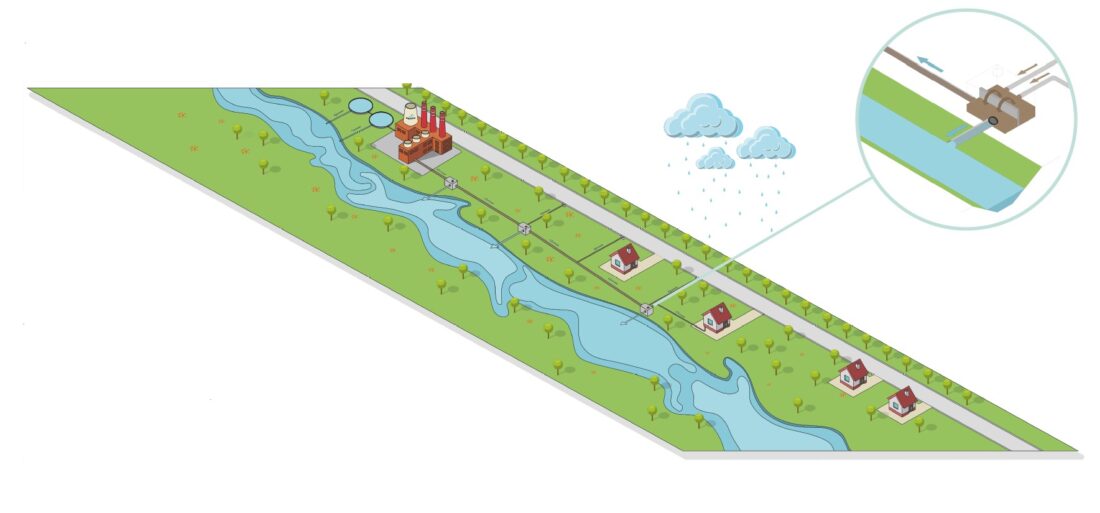
What was the problem exactly? A sewer collector runs along both sides of the Stiemerbeek in which the wastewater from East and West Genk is collected to end up in the water treatment plant. The collector can be seen as the highway for wastewater. As soon as too much water accumulates in the pipe, you create traffic jams and excess water is evacuated via overflows to the nearest canal or watercourse such as the Stiemerbeek. However, heavy rainfall caused waste and rainwater in the collector, causing it to end up in the Stiemerbeek and the water quality to deteriorate.

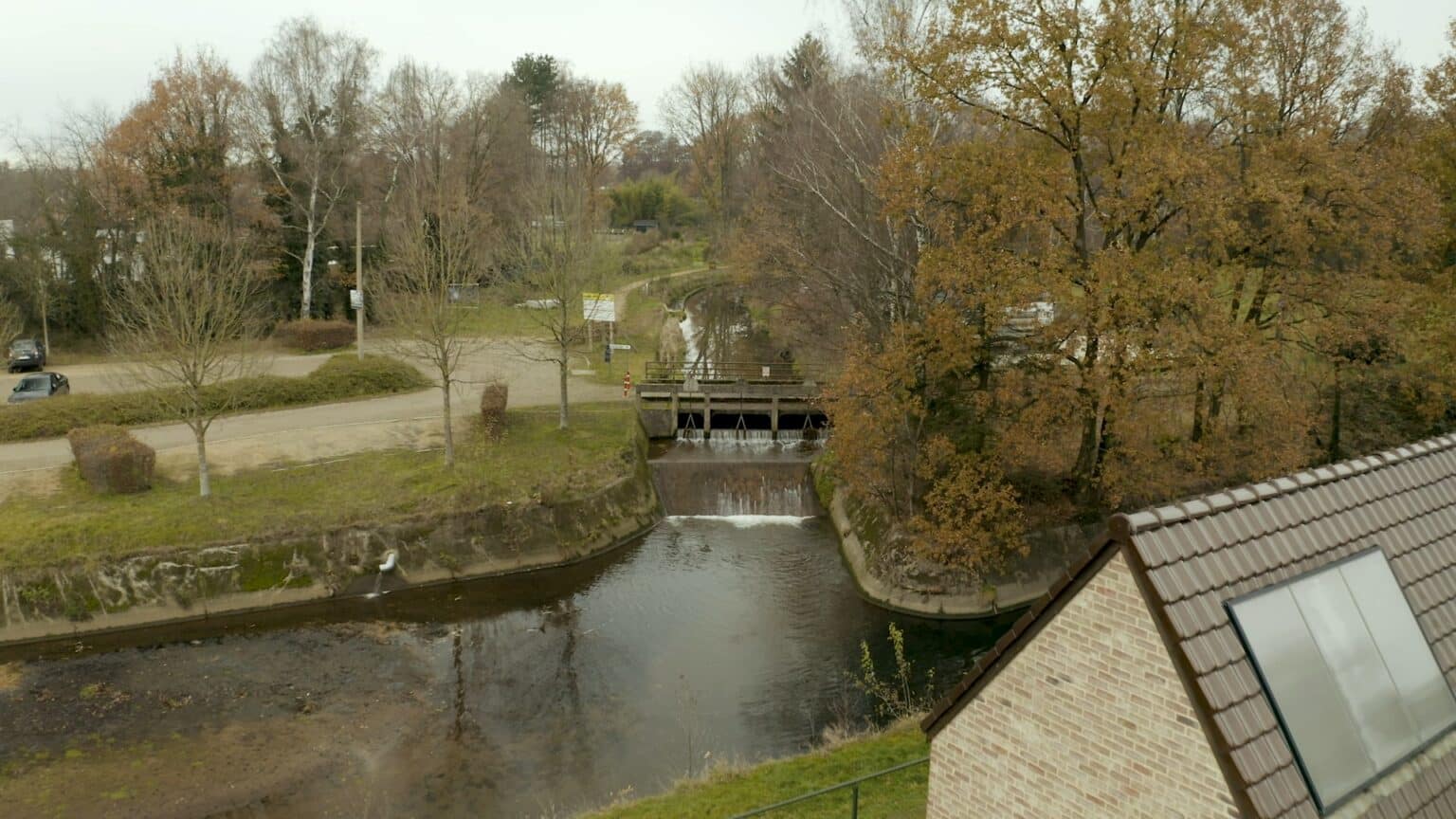
There are about seventy of these overflows in the Genk treatment area. There were several problems. Firstly, the majority of these overflow structures were outdated or damaged, as a result of which they did not work optimally and flooded uncontrollably. Secondly, when the water level was high, the rainwater from the Stiemer flowed to the collector in different places instead of the other way around. As a result, clean Stiemer water ended up in the sewer system and then in our treatment plant, where the dirty water arrived too diluted to be purified. Finally, the overflows came into operation too quickly, sometimes causing wastewater to end up in the Stiemer.

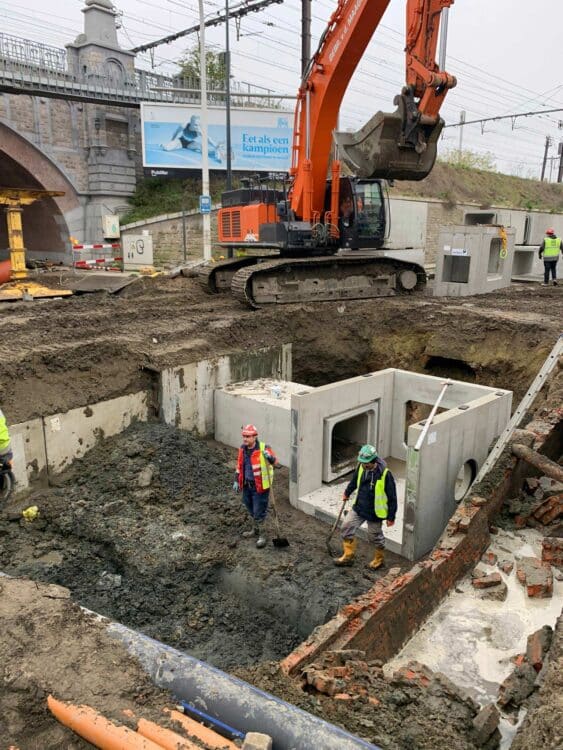
The sewerage works took place at about 25 places at the collector. First of all, old overflow structures were demolished, existing ones were modified and new ones were built. Non-return valves were also placed on the overflow pipe so that the Stiemer can no longer flow back into the system. In addition, sewer covers were anchored to the collector along the Stiemer. For example, in the event of overpressure, the water cannot escape through the street covers, but is controlled via the overflows. Finally, extra emergency outlets were placed on the collector.

In order to avoid nuisance for the residents of the city of Genk, a study was also carried out as part of this project into the presence of basement connections and a possible risk of water flowing back to the houses. These residents were written to and were entitled to a small non-return valve at the level of their connection to the sewer system.

Additional work will be carried out later to keep the rainwater in the neighbourhoods where it infiltrates into the groundwater for as long as possible, and to drain clean water to a new, natural stream that will meander along the Stiemerbeek valley and further replenish the groundwater.

Cycleway F1, Zemst

Cycleway F1, Zemst

2019
EvoltaProjectsCycleway F1, Zemst
Client
Municipality of Zemst & Agentschap Wegen en Verkeer
Location
Zemst
Architect
Sustainable Mobility Team

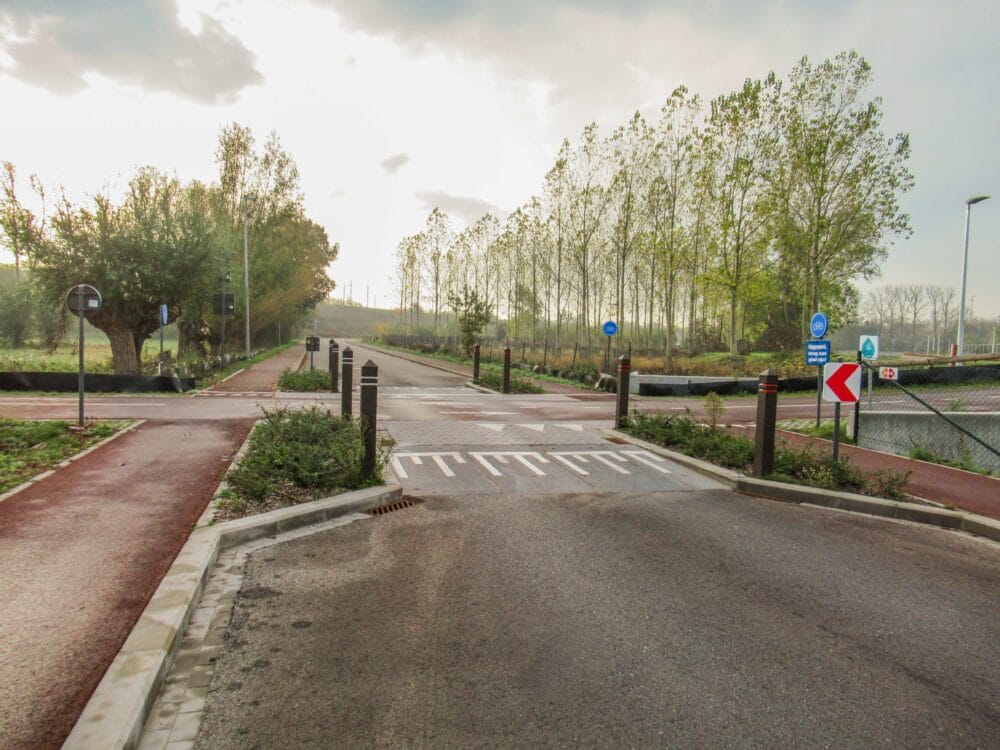
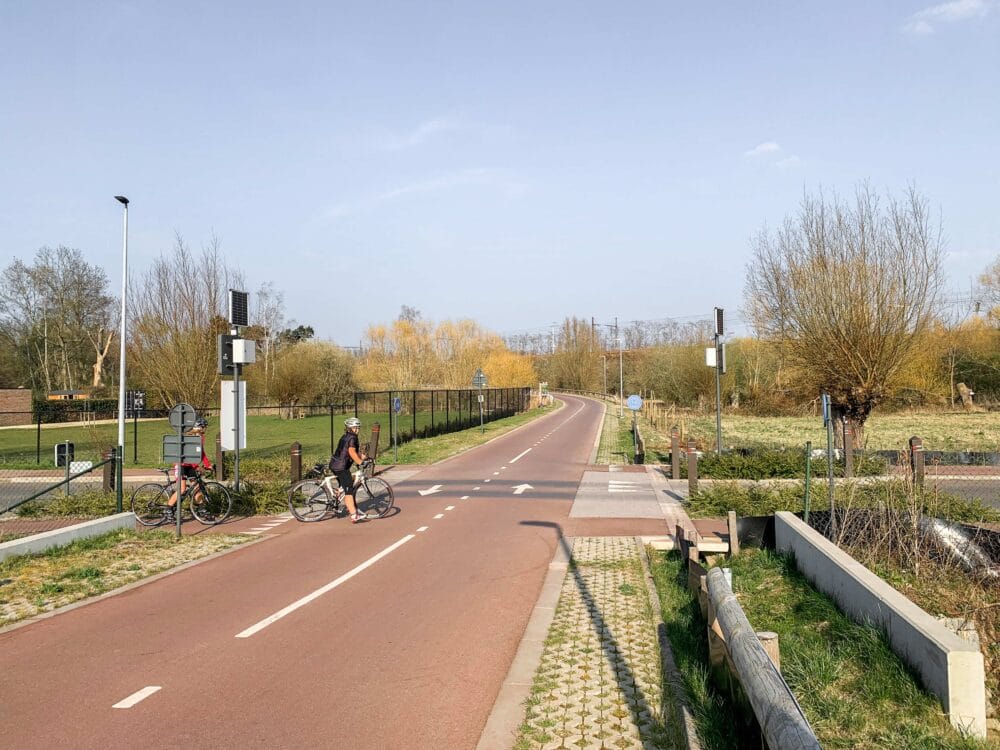
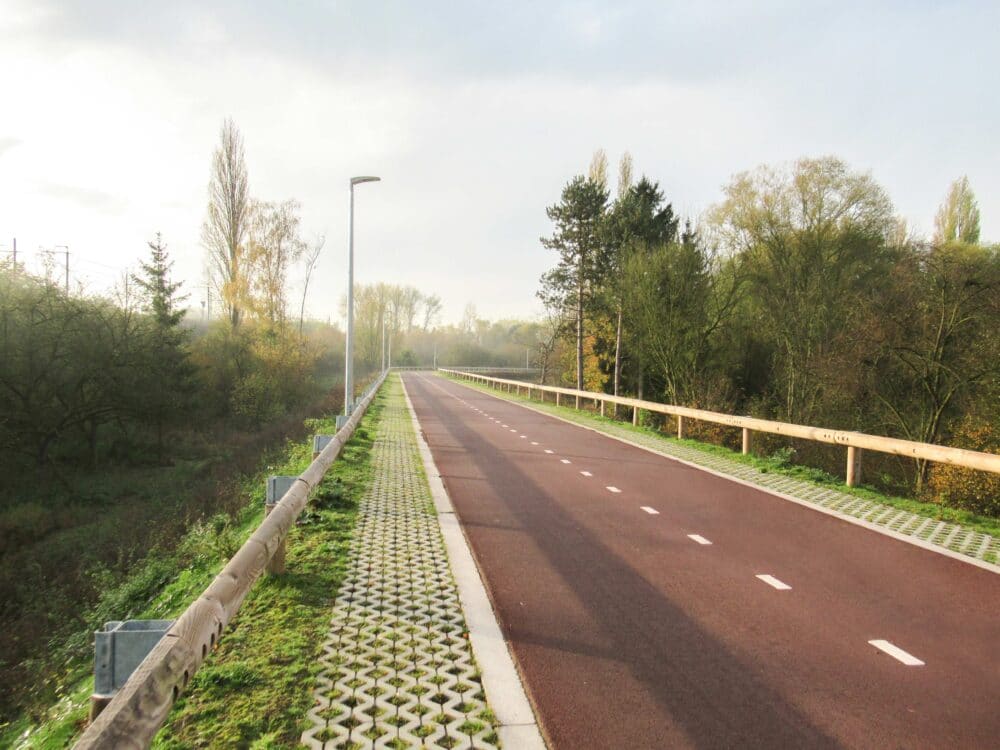
Construction of cycleways and safe cycle crossing

Zemst is investing in a smooth and safe cycle connection to Mechelen

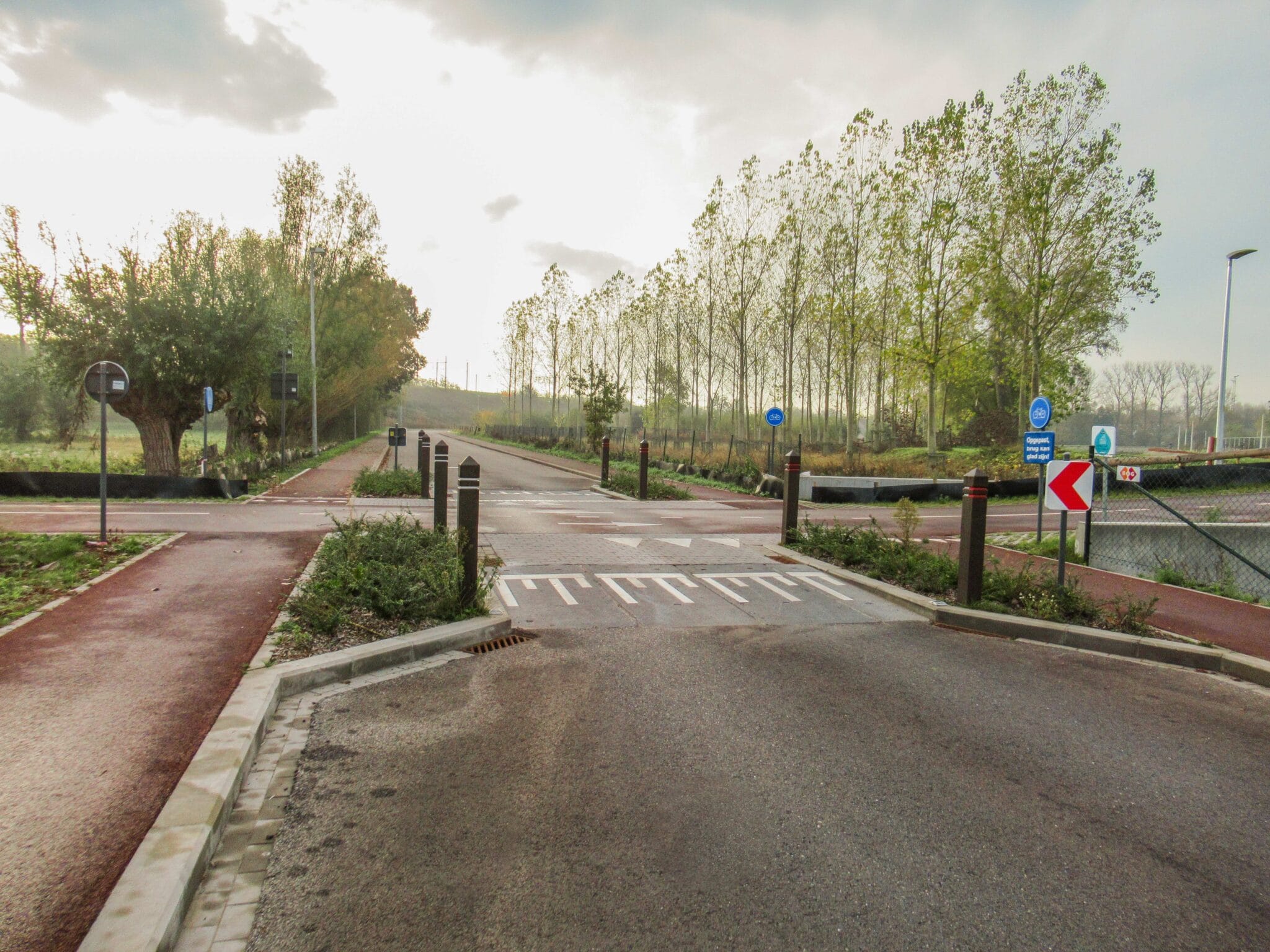
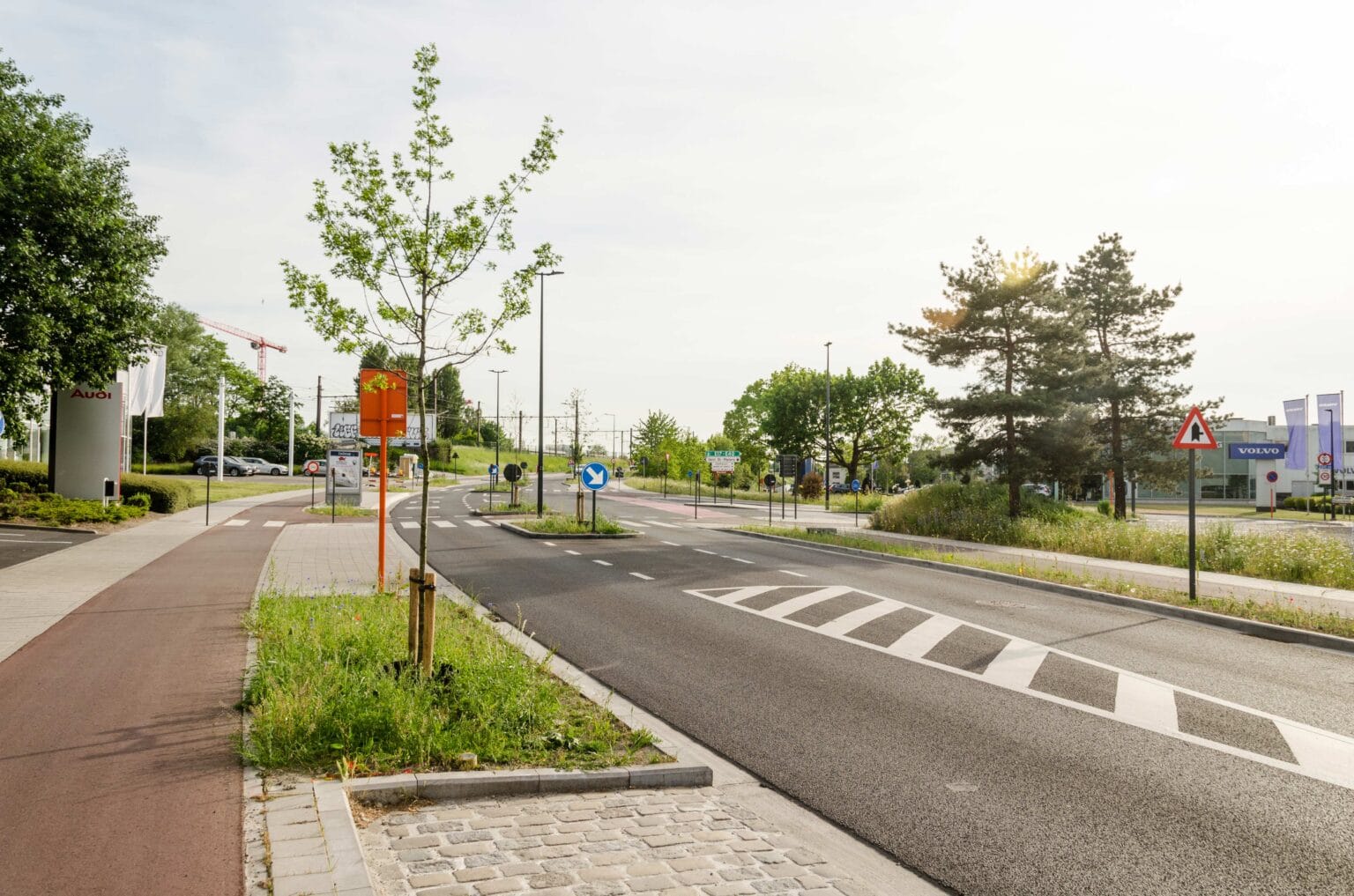
When the municipality of Zemst wanted to provide a cycleway along the busy Brusselsesteenweg (N1), we were responsible for the entire study task – from sketch design to tendering and coordination of the works.

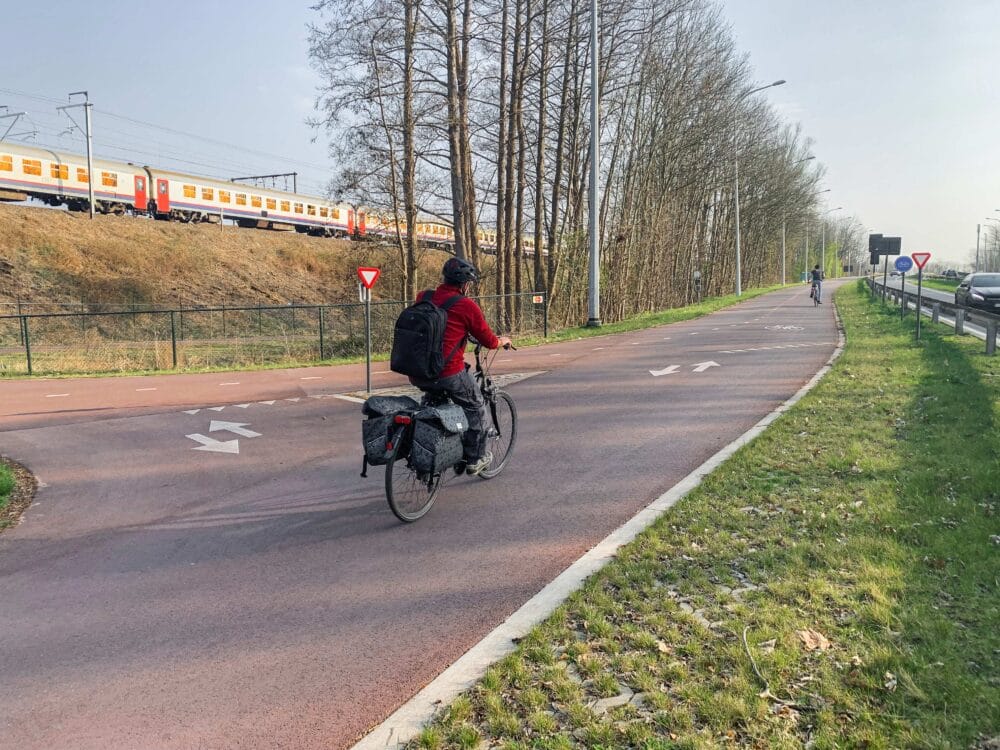
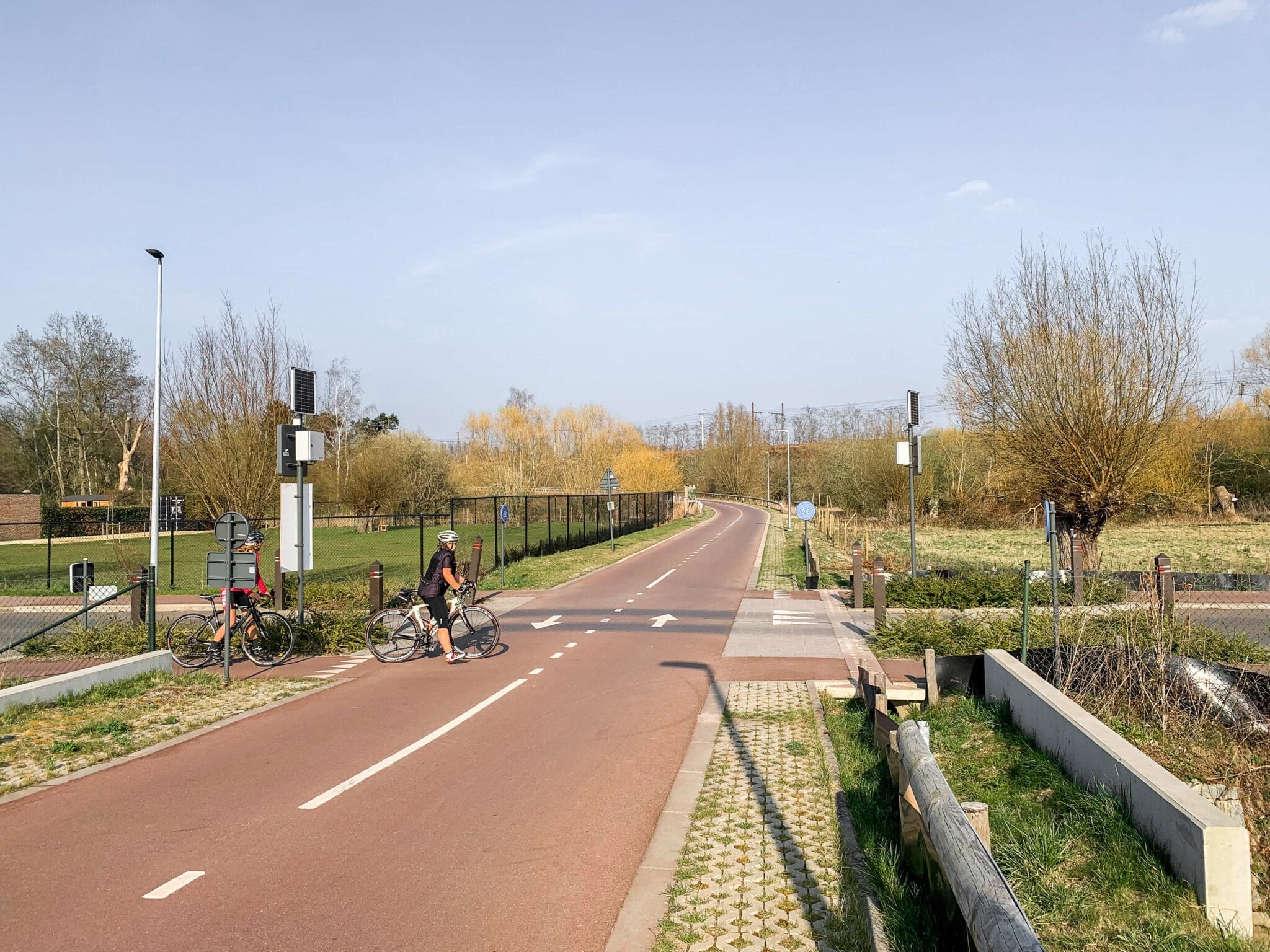
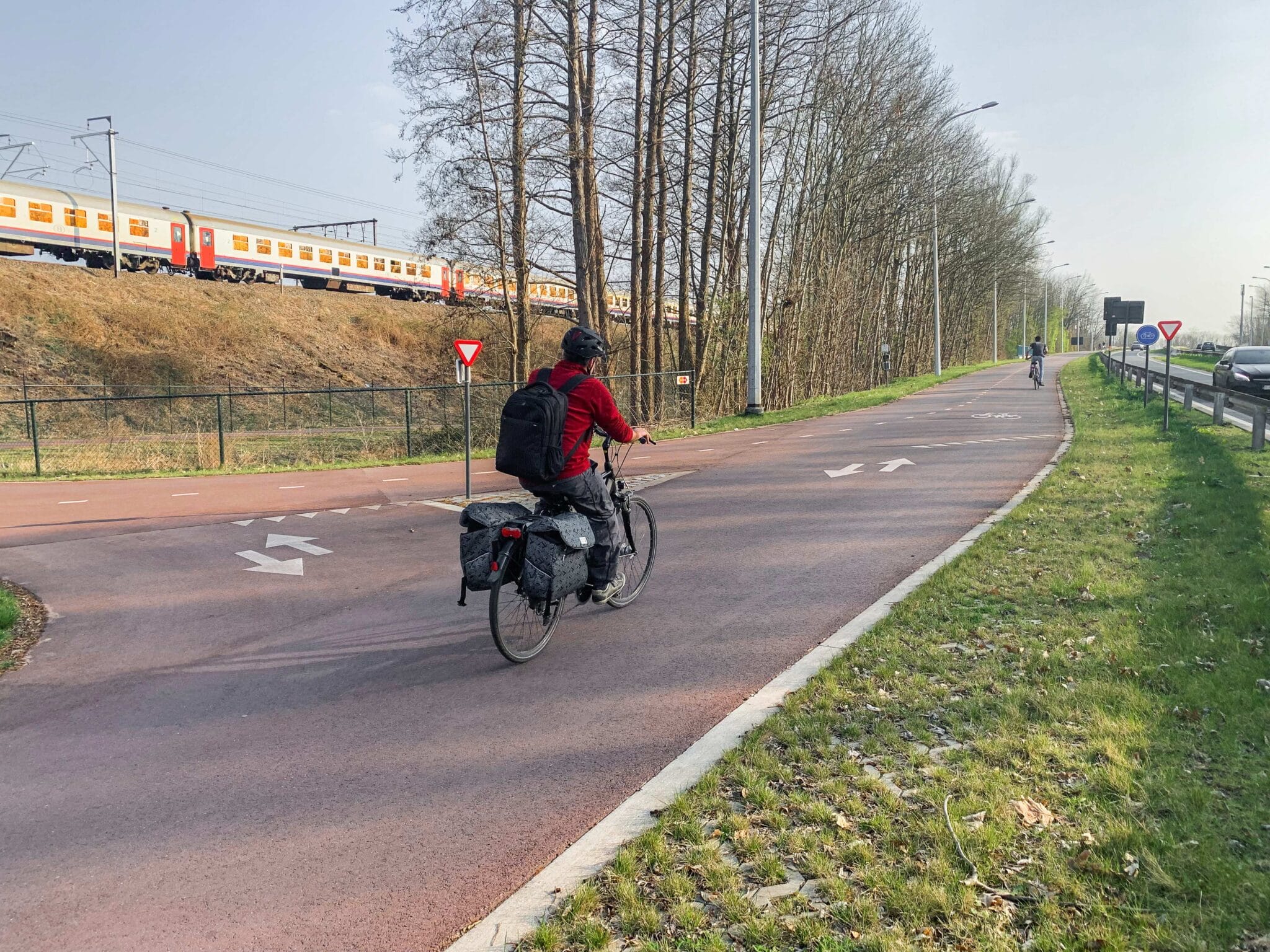
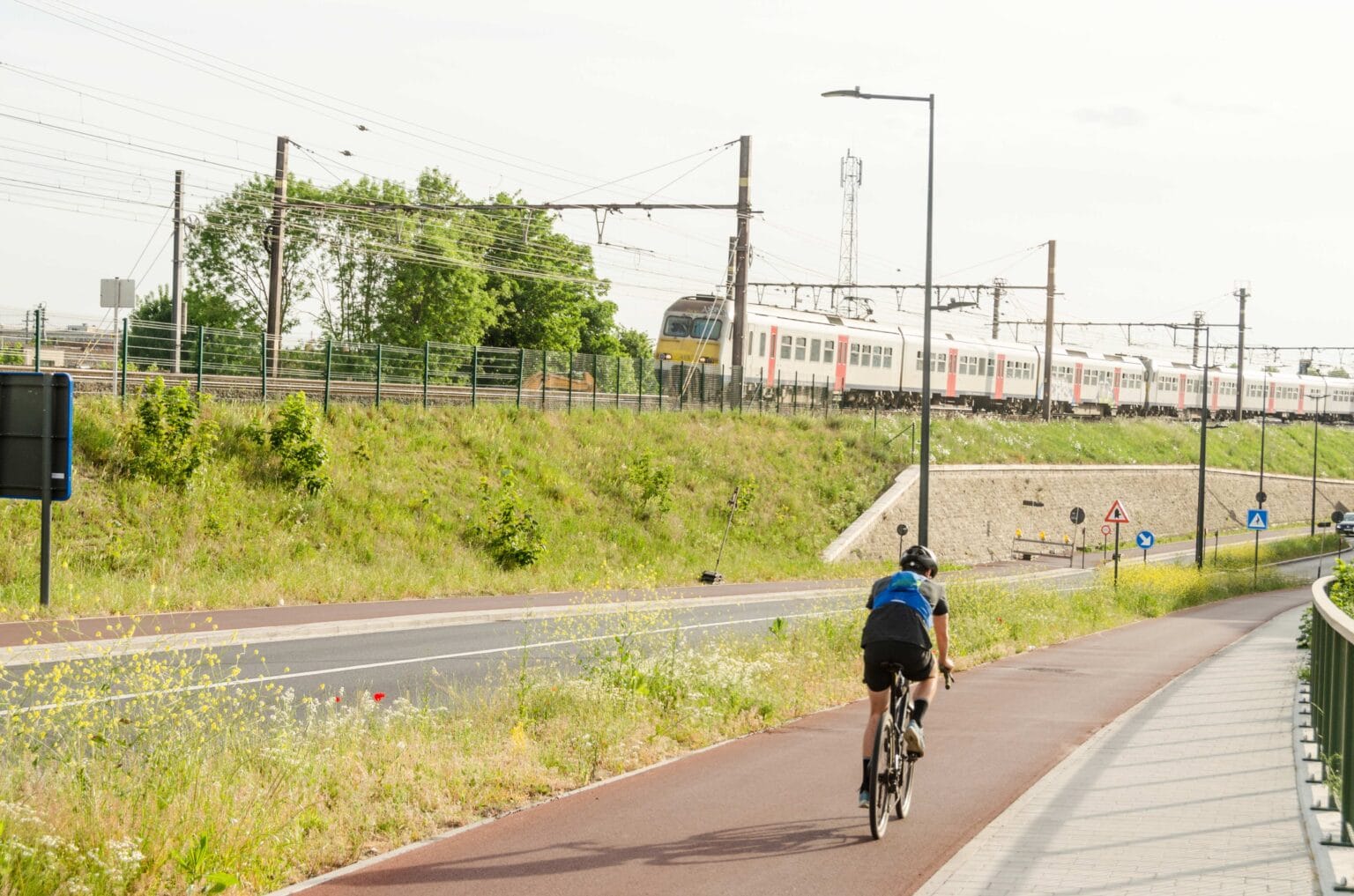
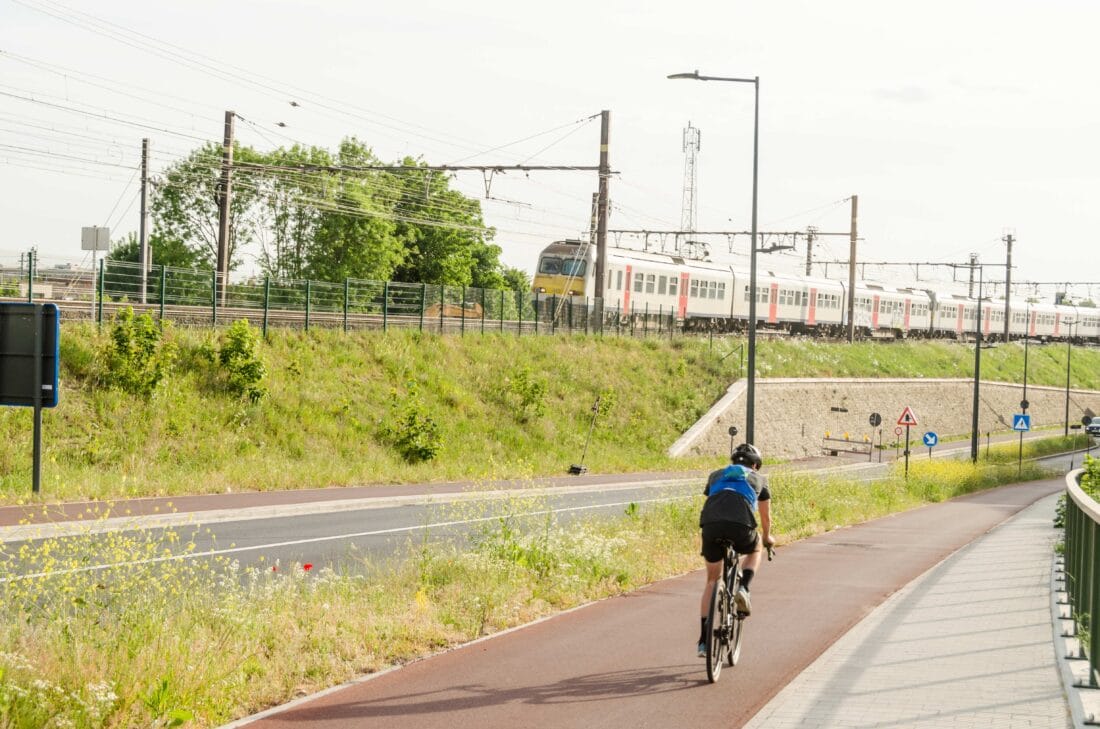
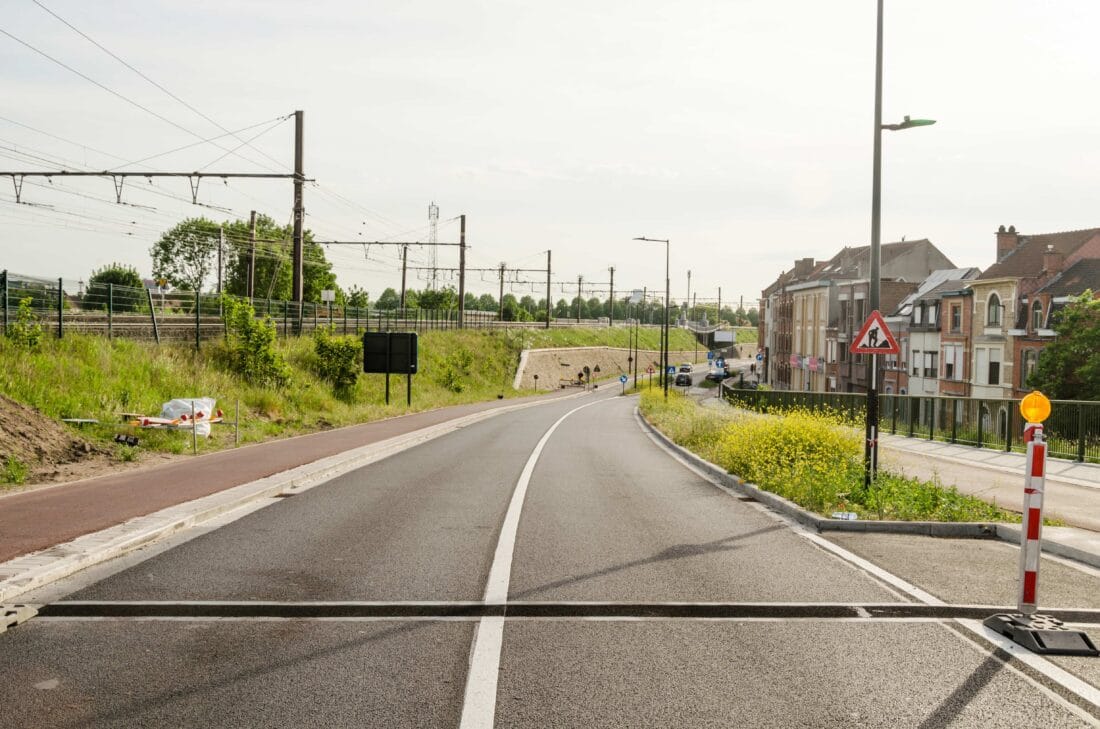
The project consisted of two parts: the reconstruction of the cycle lanes between Heidestraat and Zemstbaan, and a cycle crossing or bypass to Zemstsesteenweg along the Antwerp-Brussels railroad line.

Een veilige boulevard en authentieke keiklinkers

Both projects fit seamlessly with the new design for the junction of Brusselsesteenweg and Zemstbaan in Mechelen. We carefully coordinated the works to minimise traffic disruption on the route.

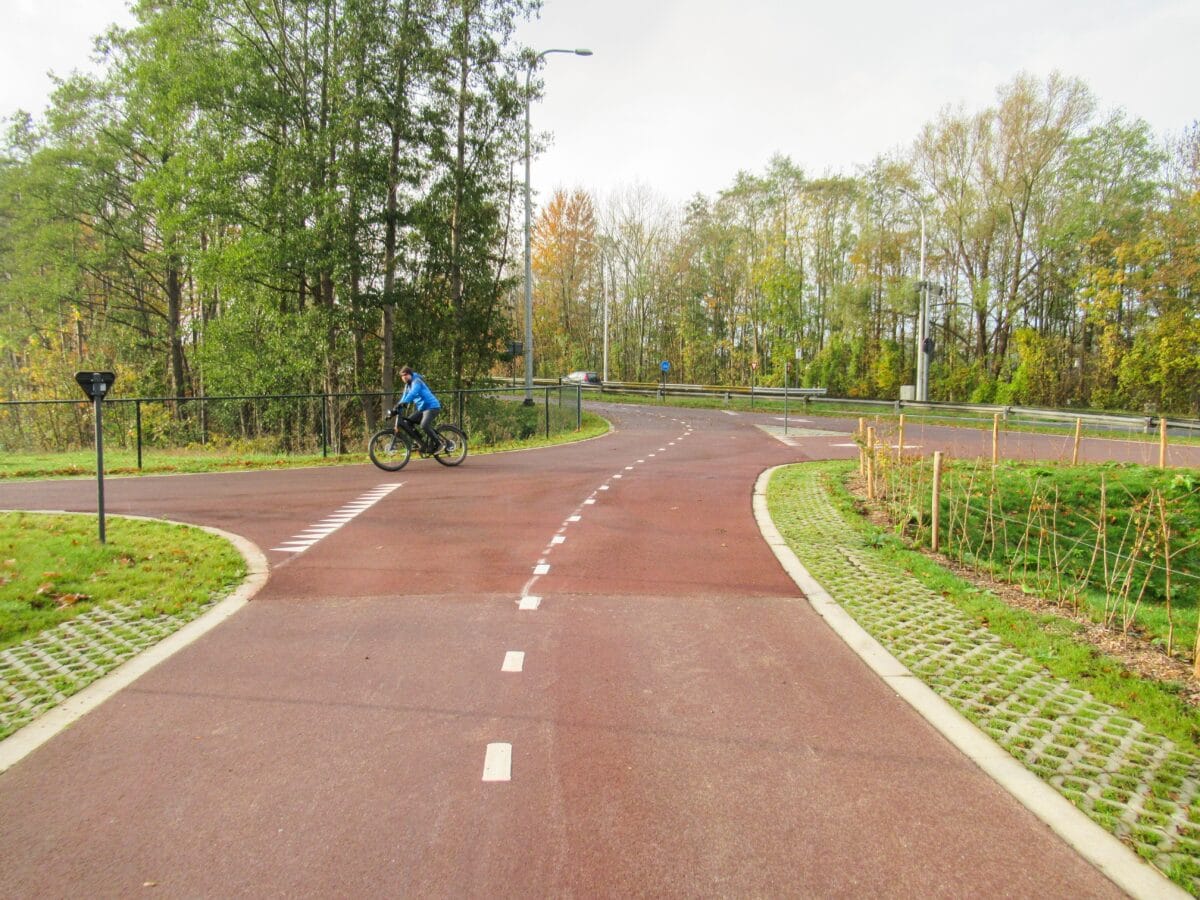
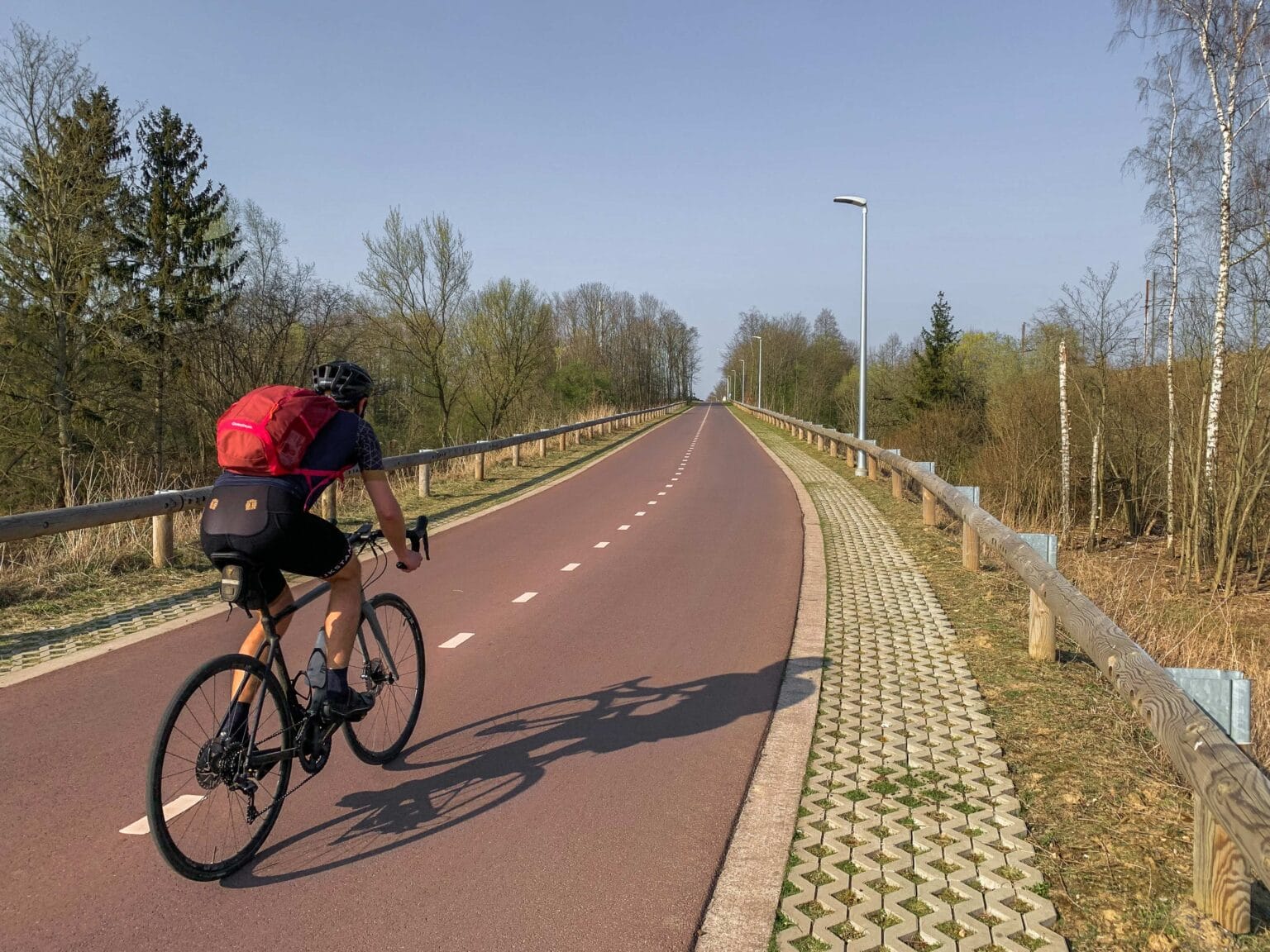
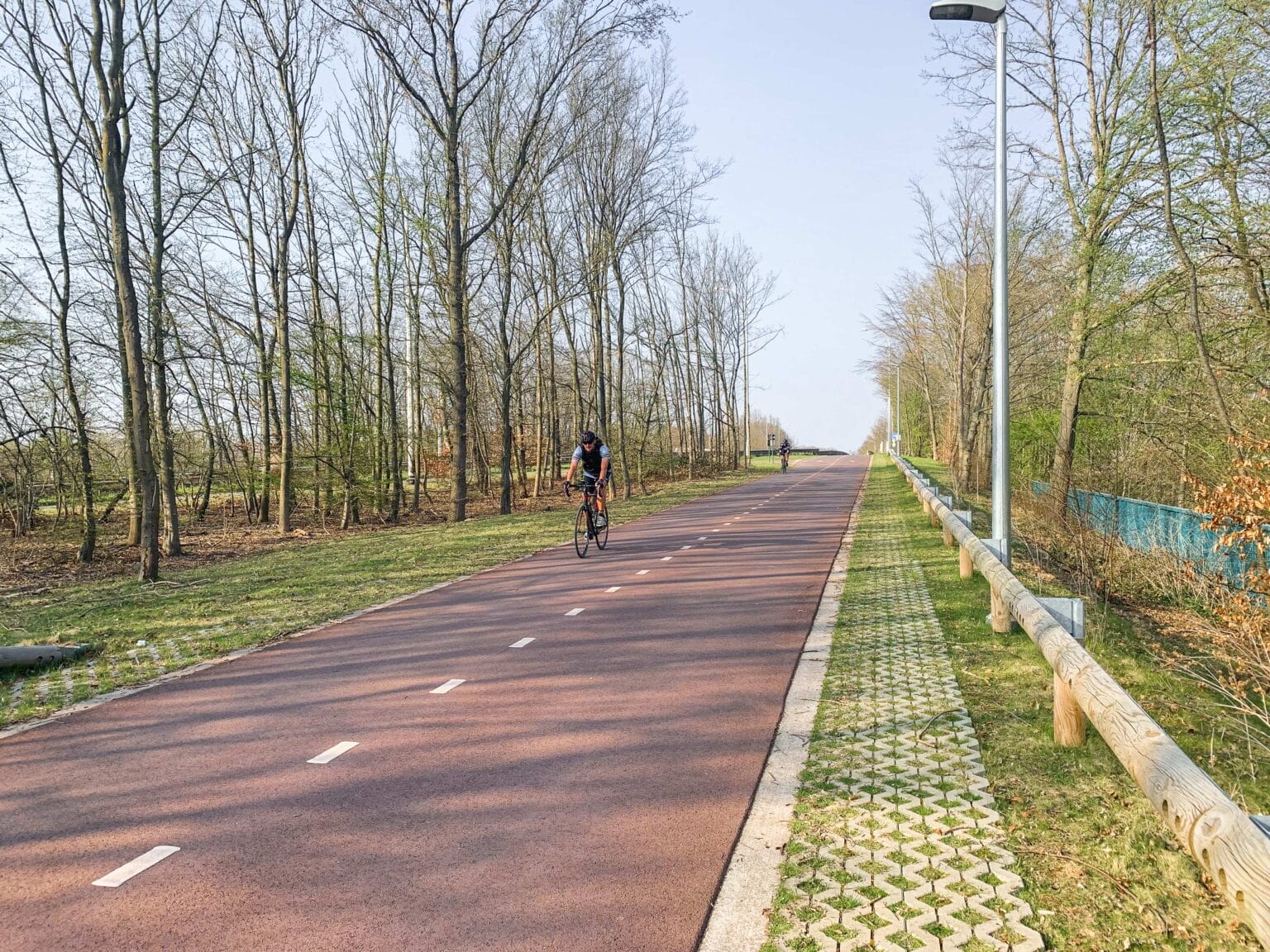
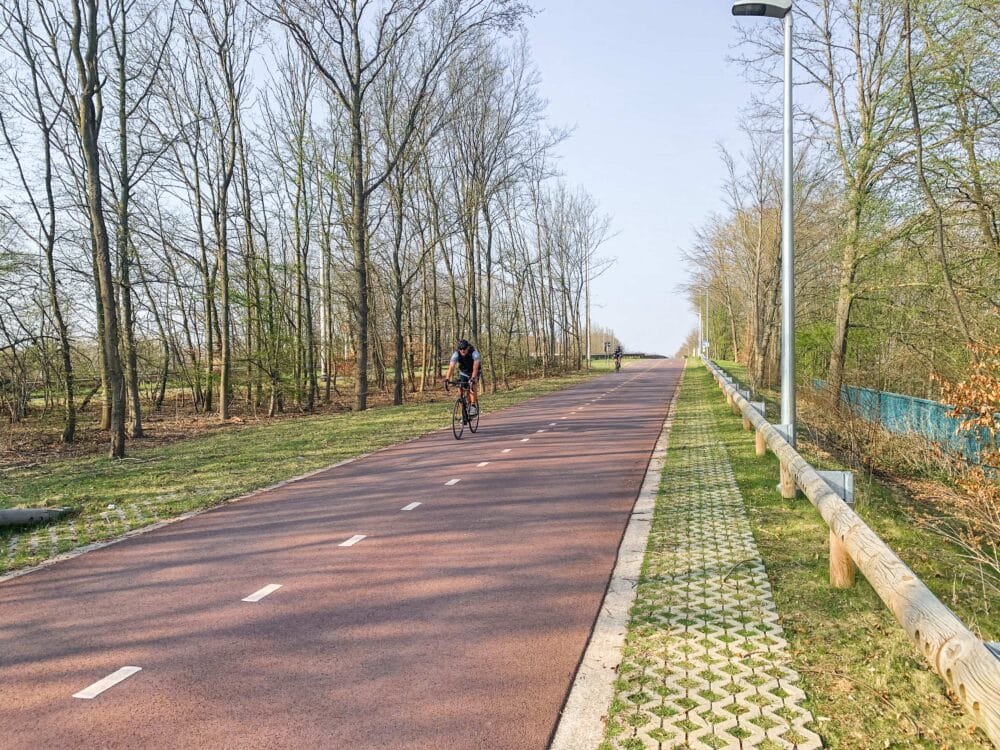
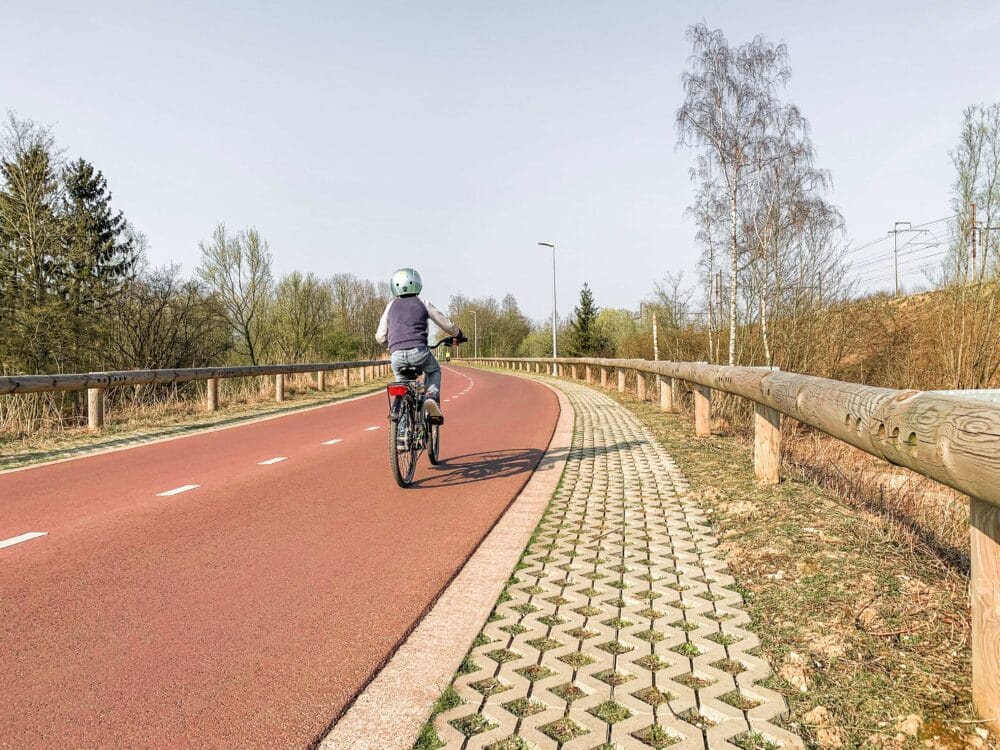
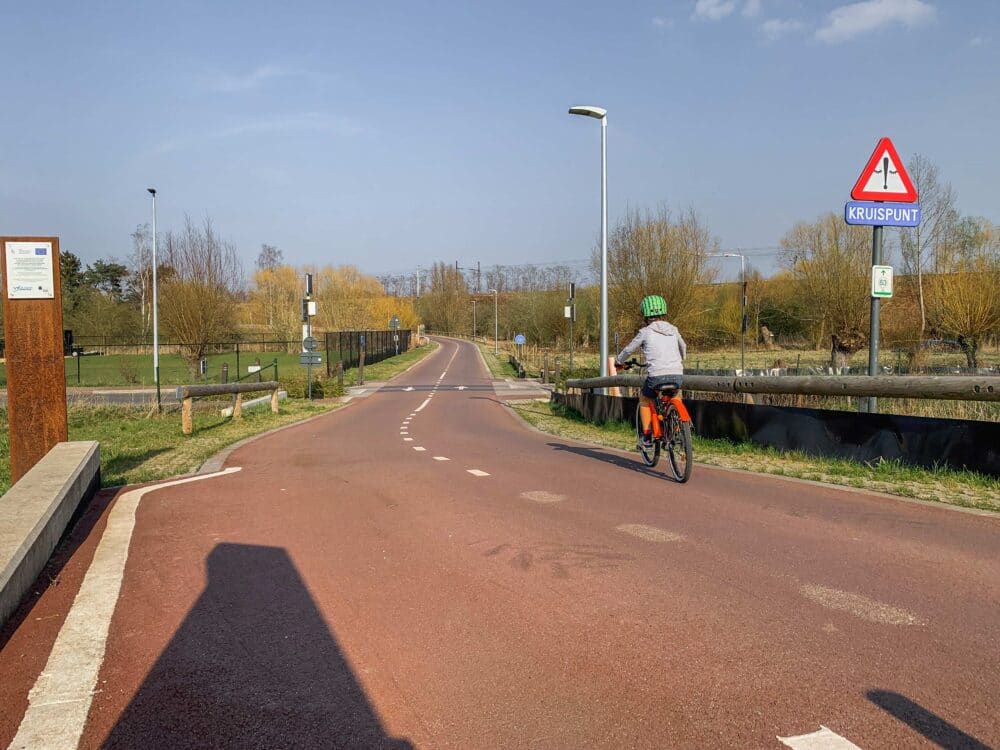
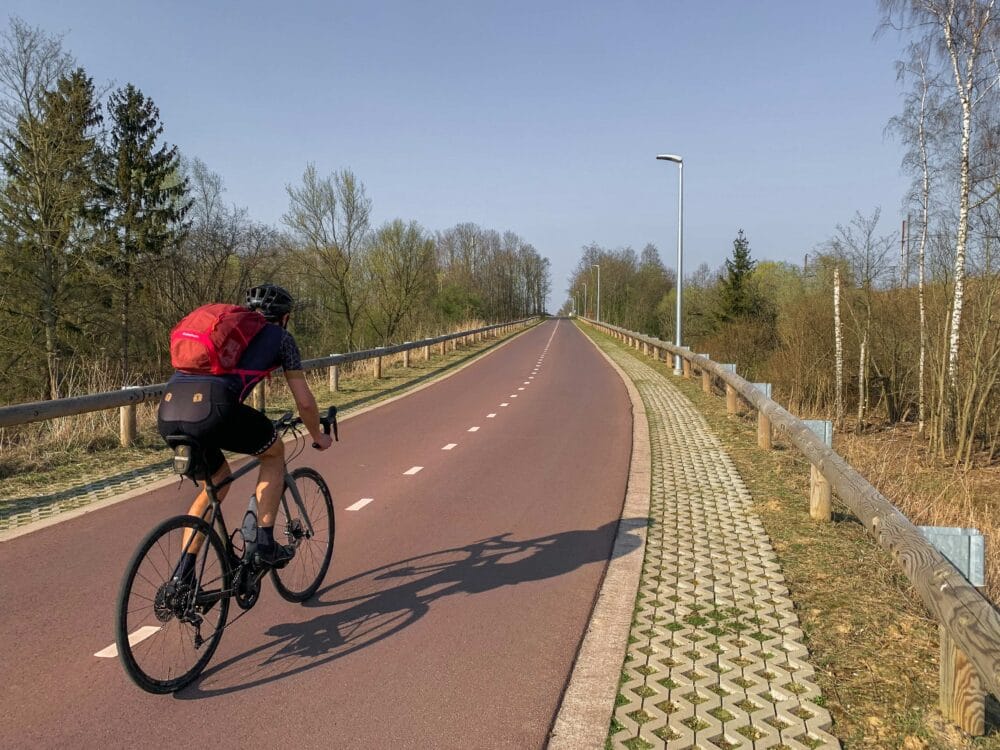
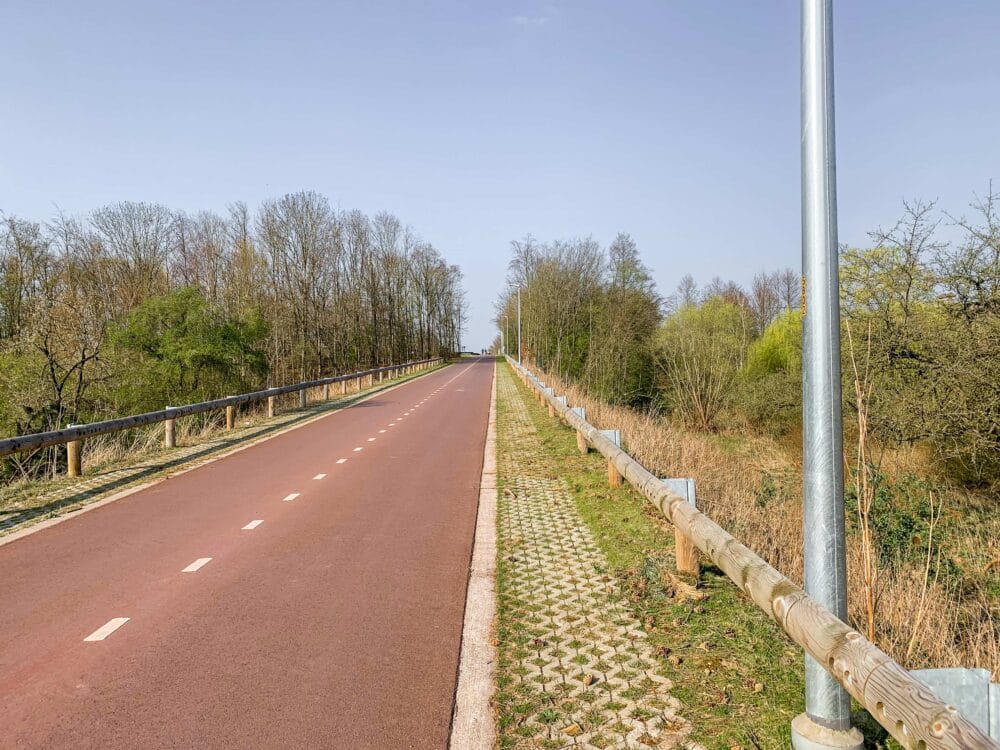
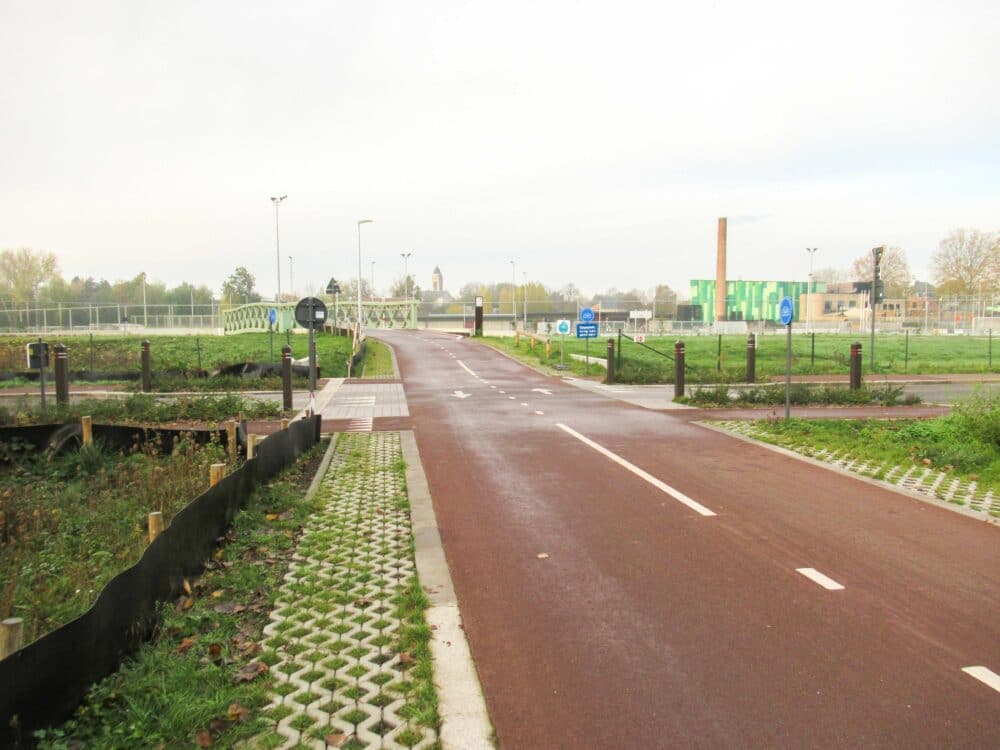
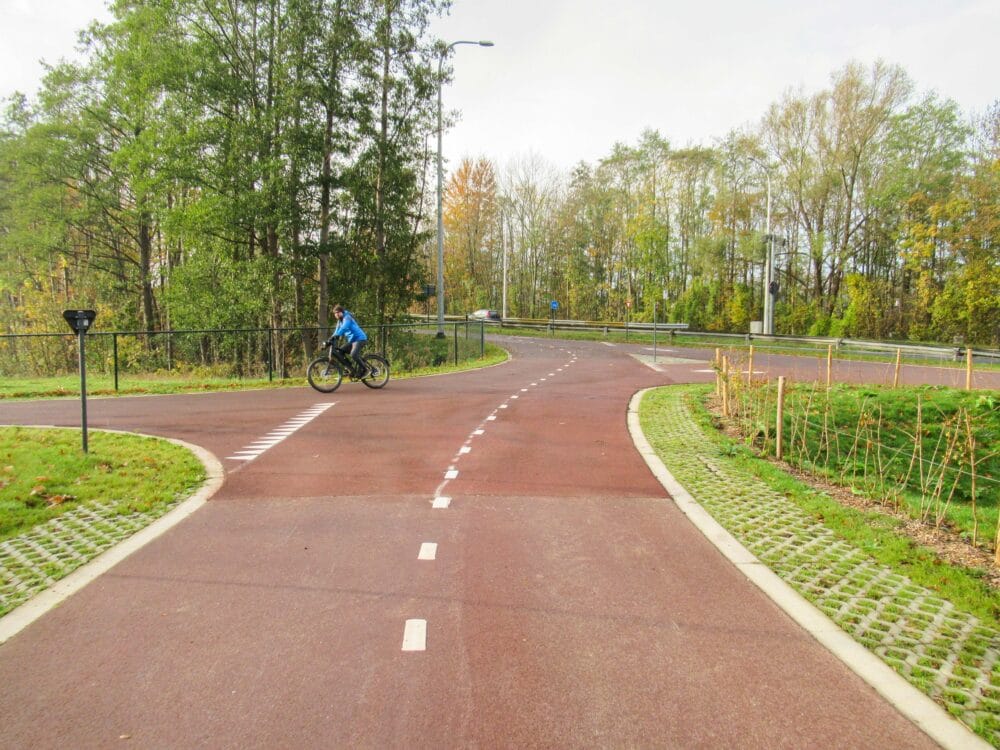
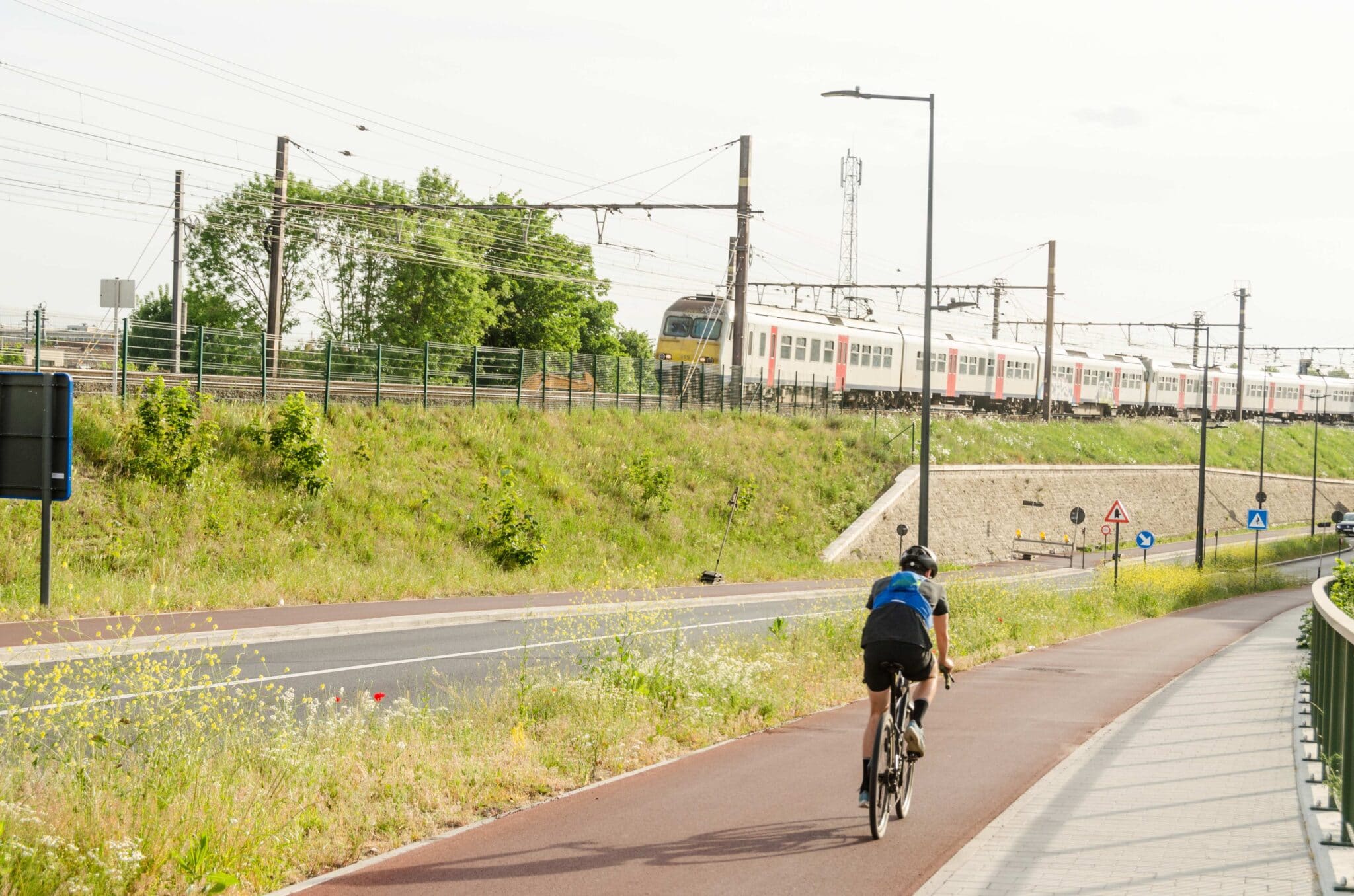
In the design of the new cycle lane, we used warning strips and green belts to separate the cycle lanes from the roadway as far as possible. The existing cycle lanes were raised and rebuilt in red asphalt for the same reason.

Meanwhile, to the north of the cycleway, we are working on tendering for a follow-on route up to Steenmolenstraat, which connects the cycleway to Mechelen station.

Westerringspoor F400, Ghent

Westerringspoor F400, Ghent

2019/2022
EvoltaProjectsWesterringspoor F400, Ghent
Client
City Council of Ghent
Location
Ghent
Architect
Team Sustainable Mobility

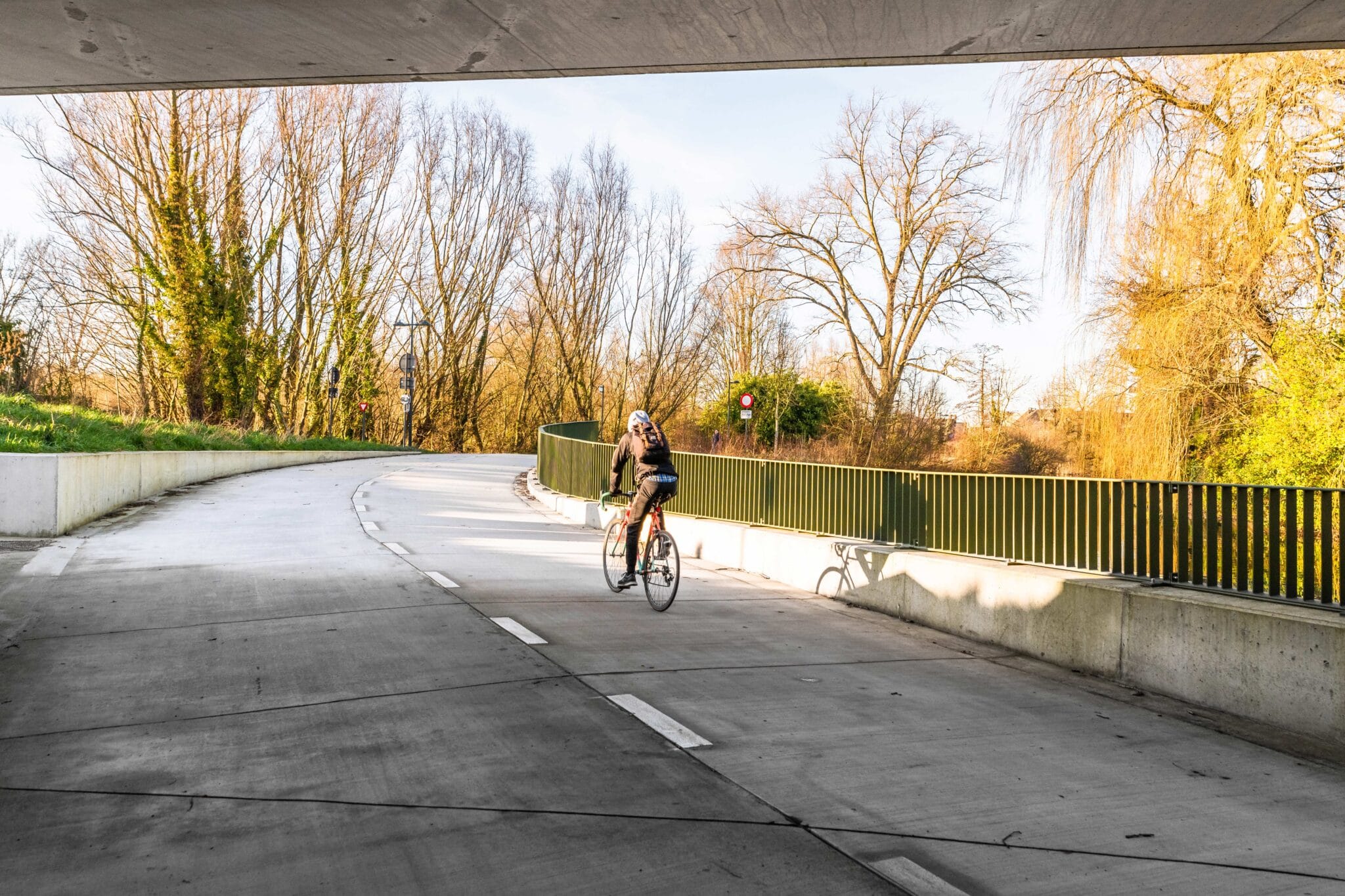
Expansion of bicycle highway with harmonious bicycle path and safe bicycle underpass

New bicycle connections make Ghent extra bicycle-friendly and safe

The ‘Westerringspoor’ or ‘F400’ cycle route is an important Ghent cycle highway that connects Gent-Sint-Pieters station with the Muide, Wondelgem, Mariakerke and the Brugse Poort. In 2018, the City of Ghent asked us to expand the bicycle highway with a cycle path on the edge of the Bourgoyen-Ossemeersen nature reserve. Two years later, we were also called in to build a new bicycle underpass on the busy Drongensesteenweg, to ensure the safety of cyclists.

Our Sustainable Mobility team was responsible for the entire study assignment, from sketch design to tender dossier and the coordination of the works.

Comfortable bike path in harmony with the environment

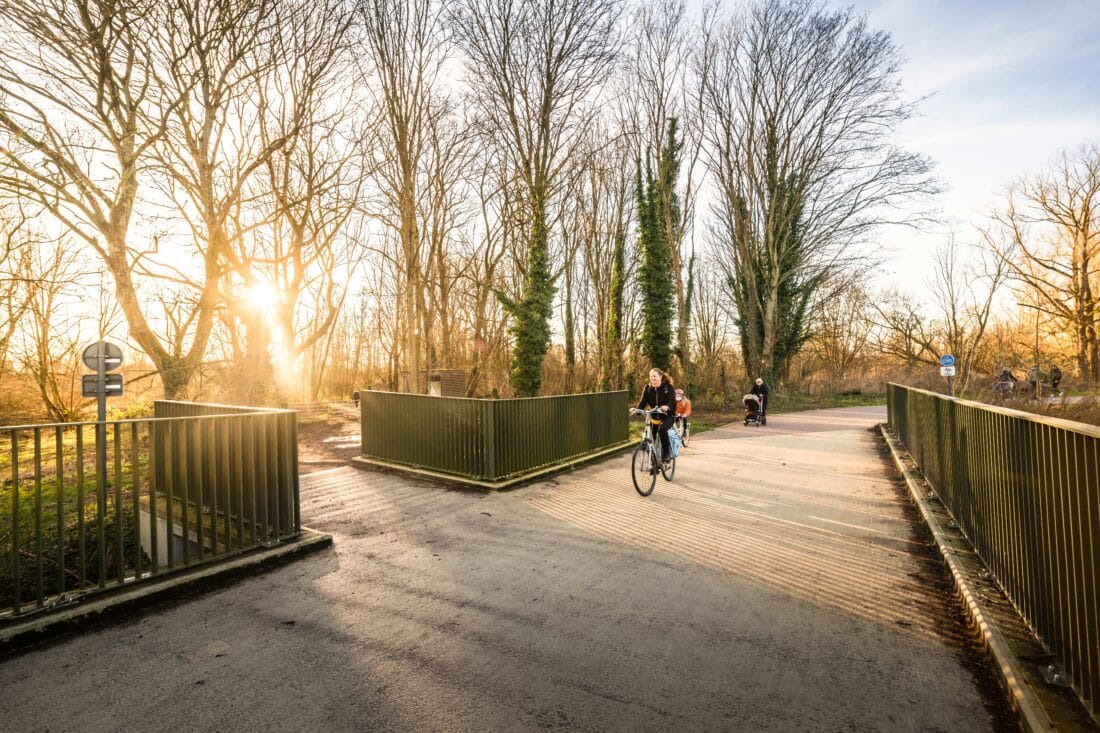
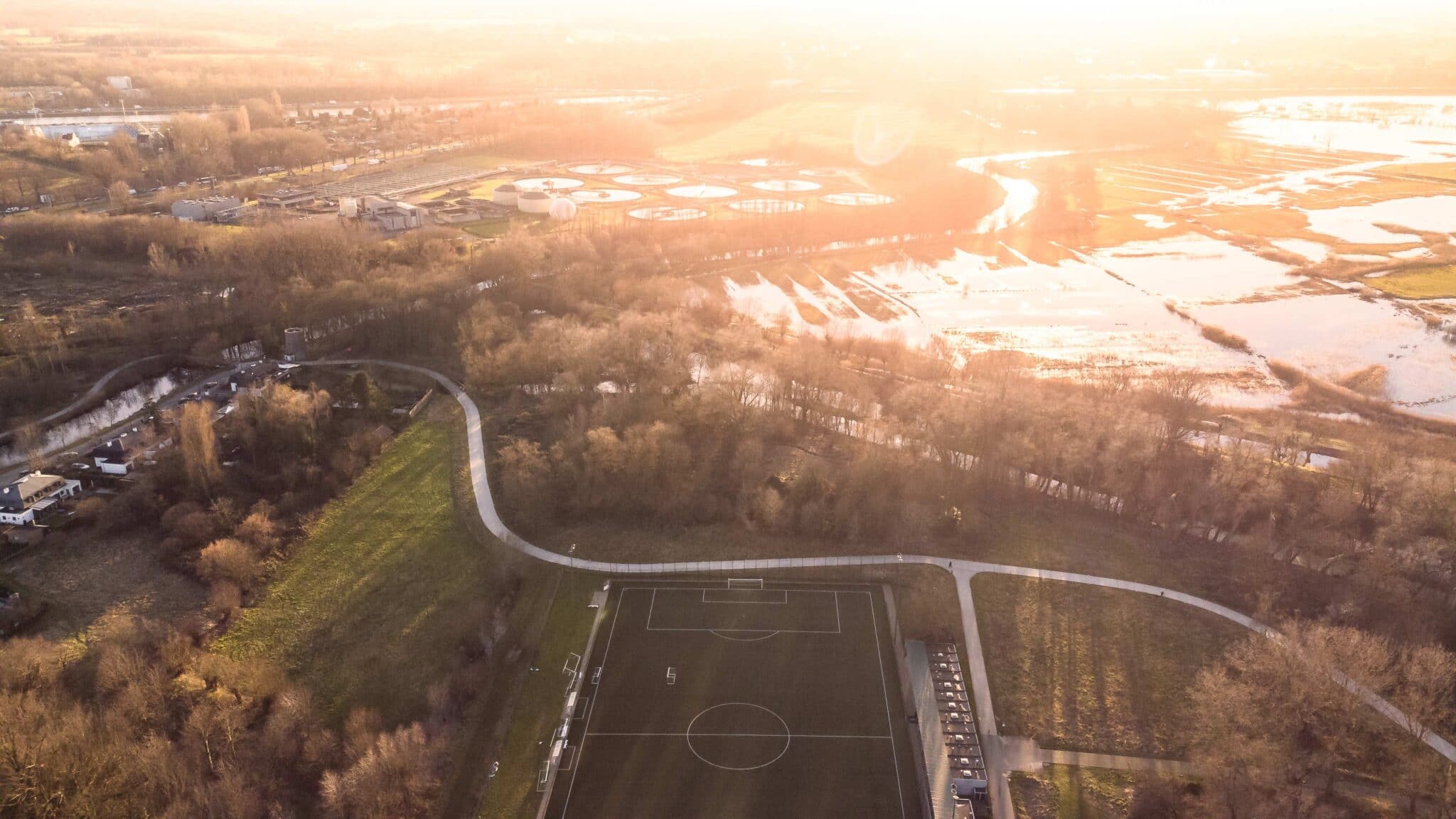
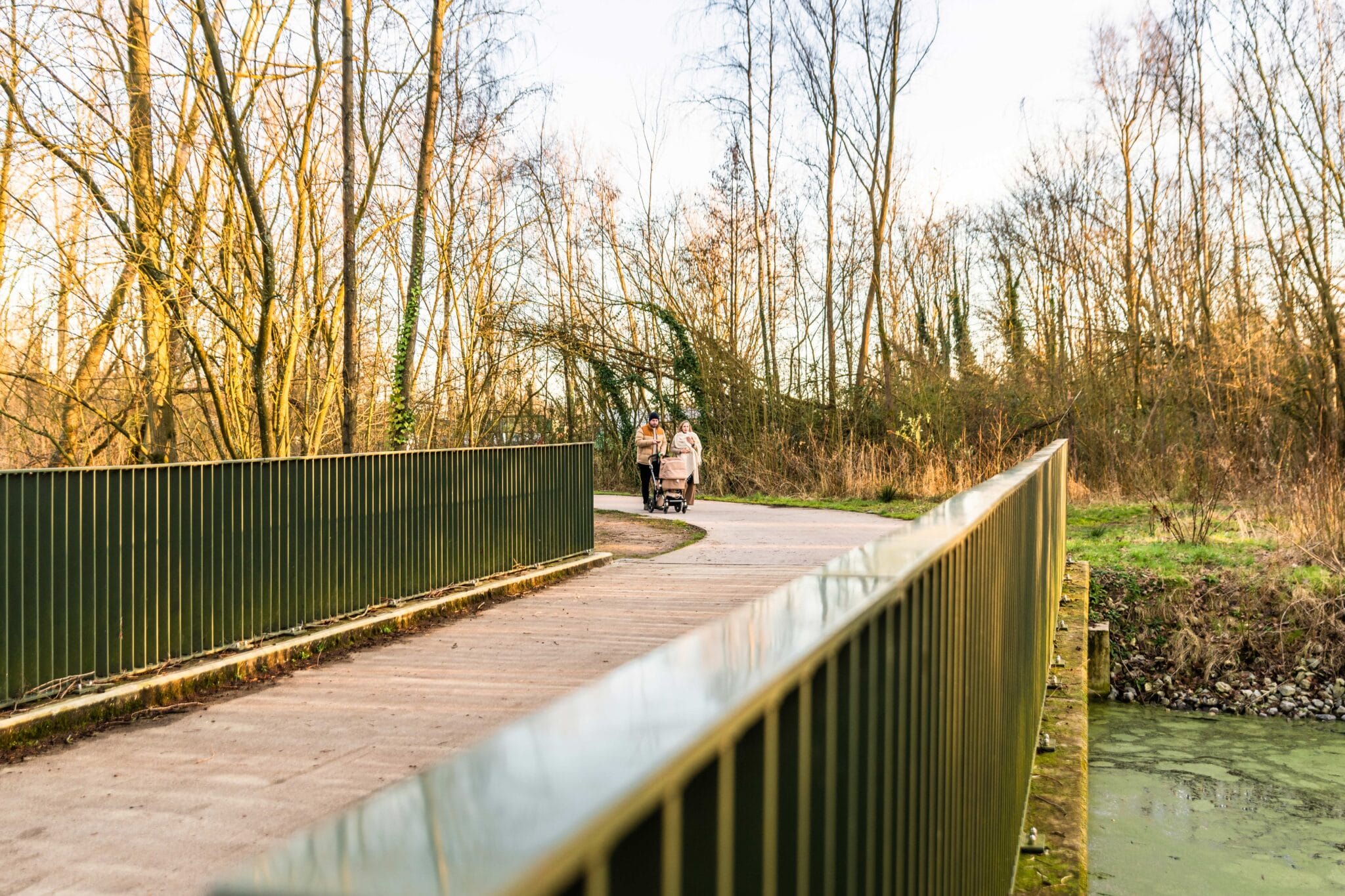
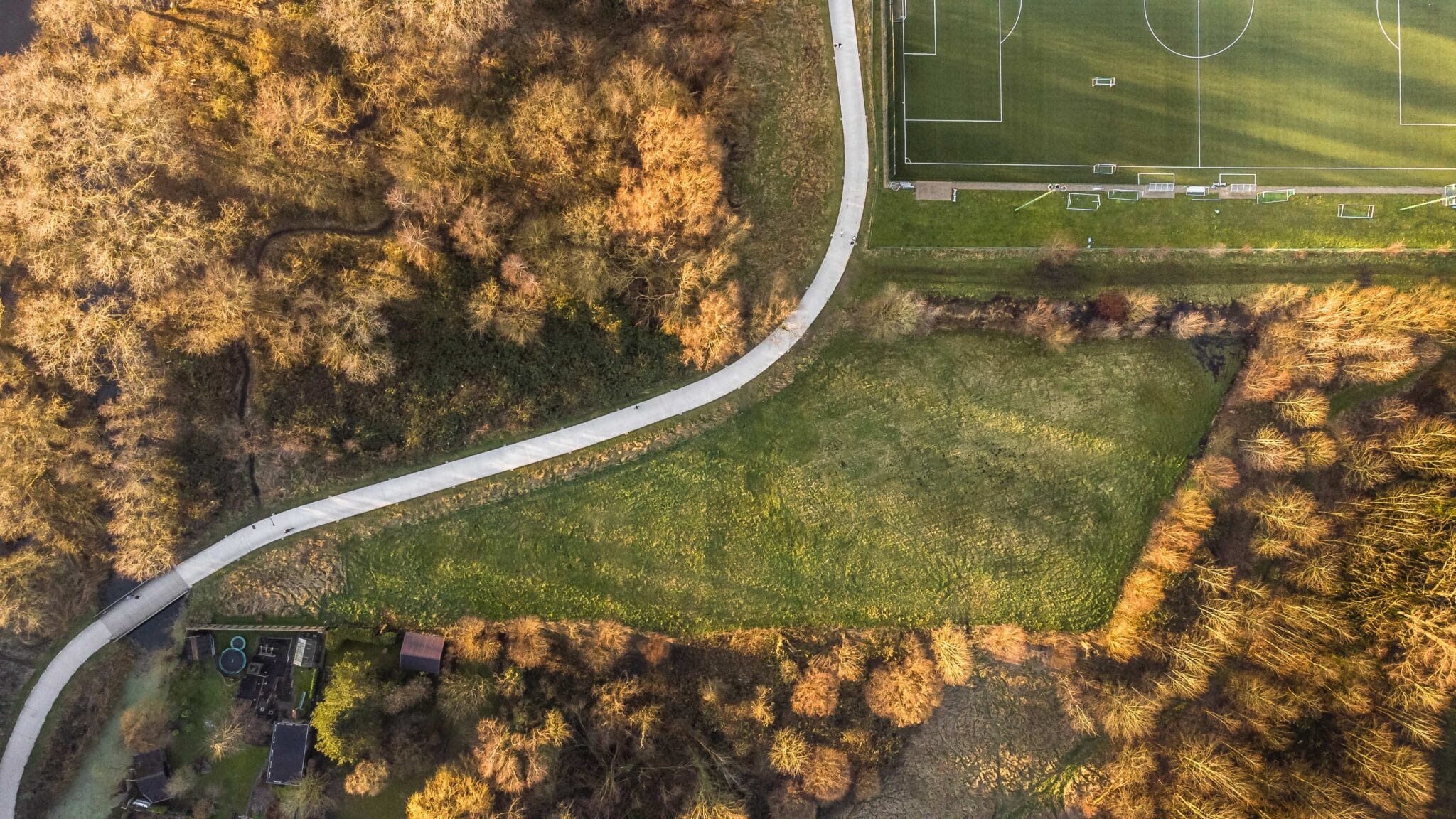
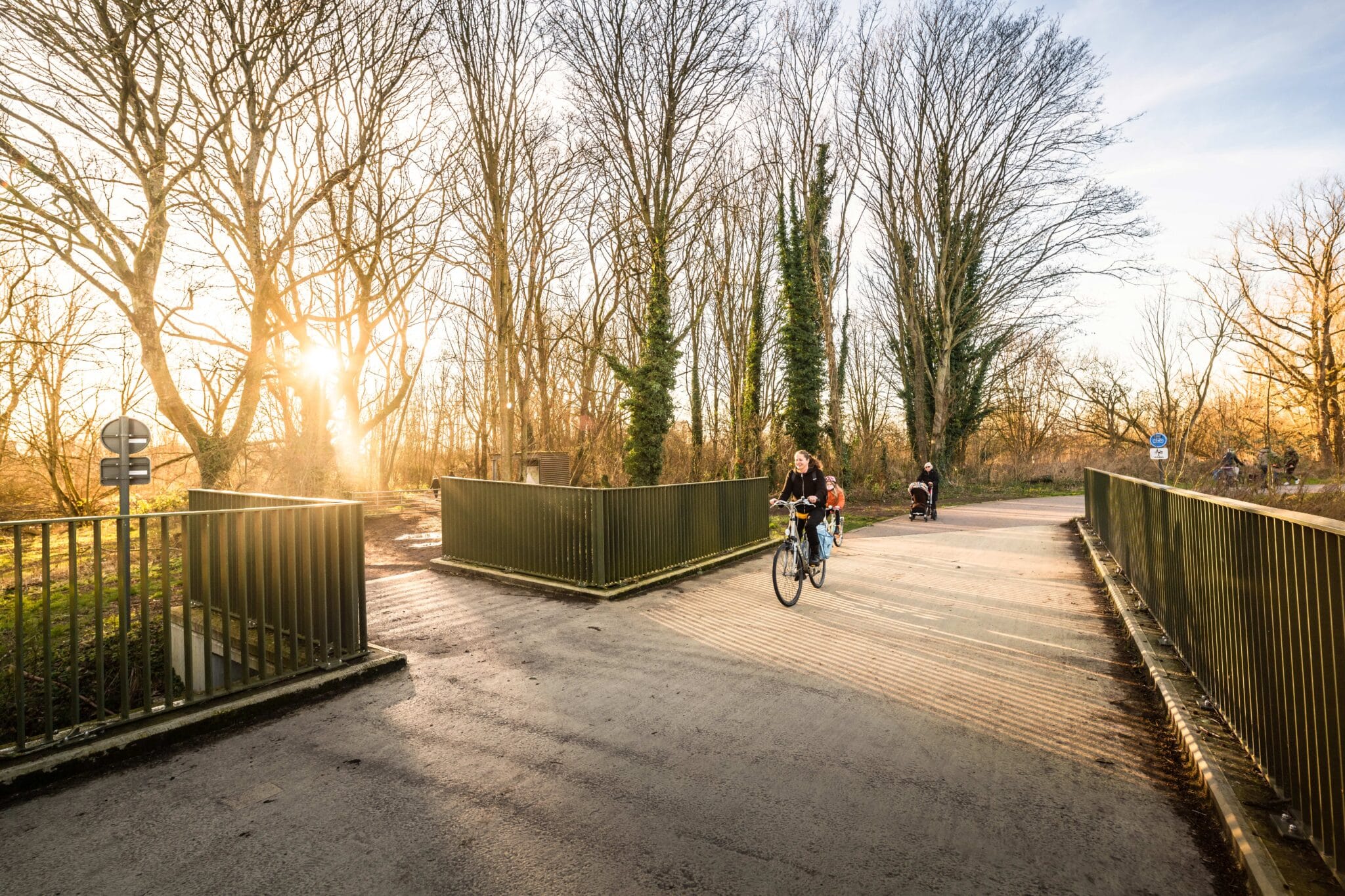
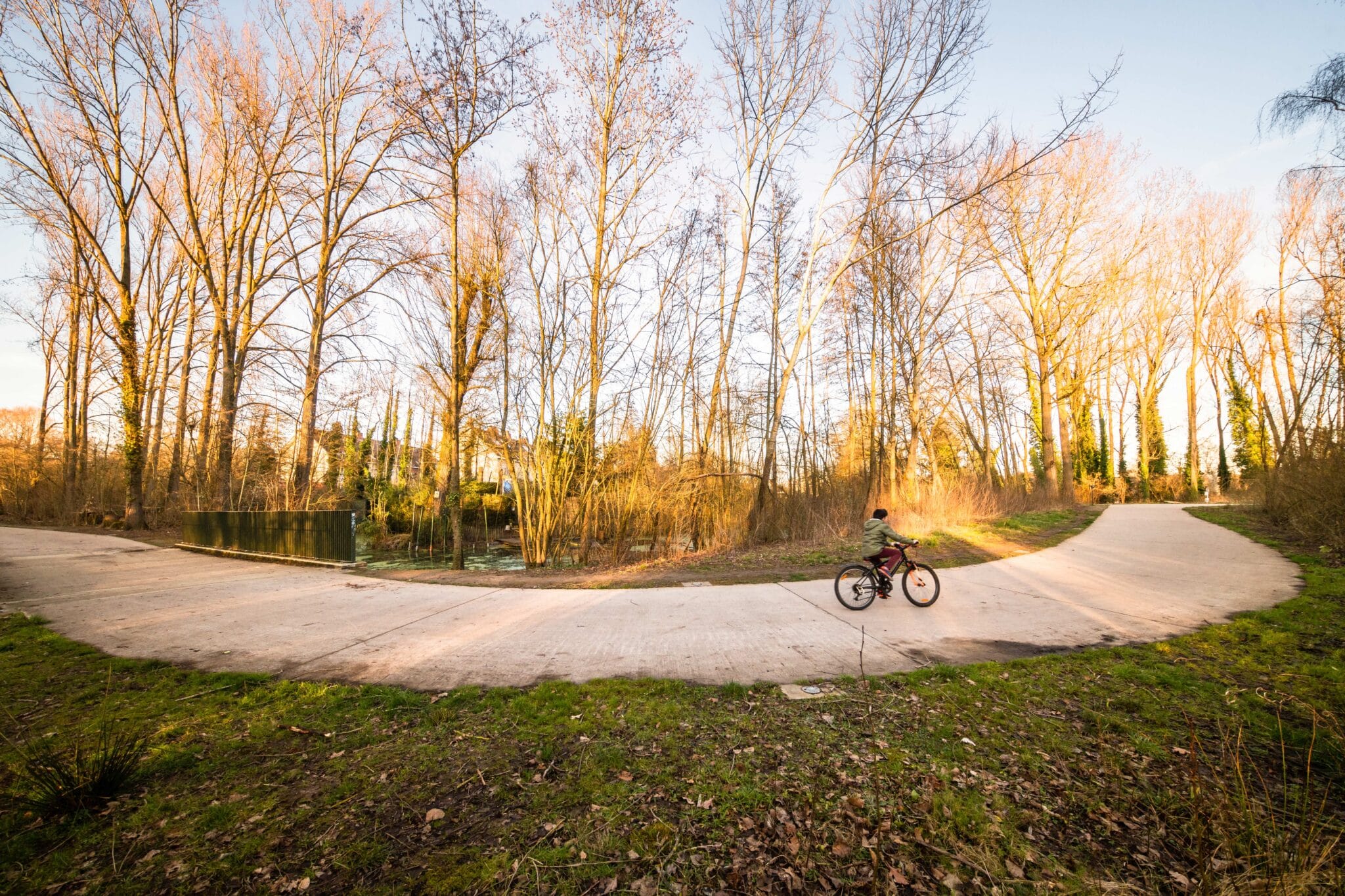
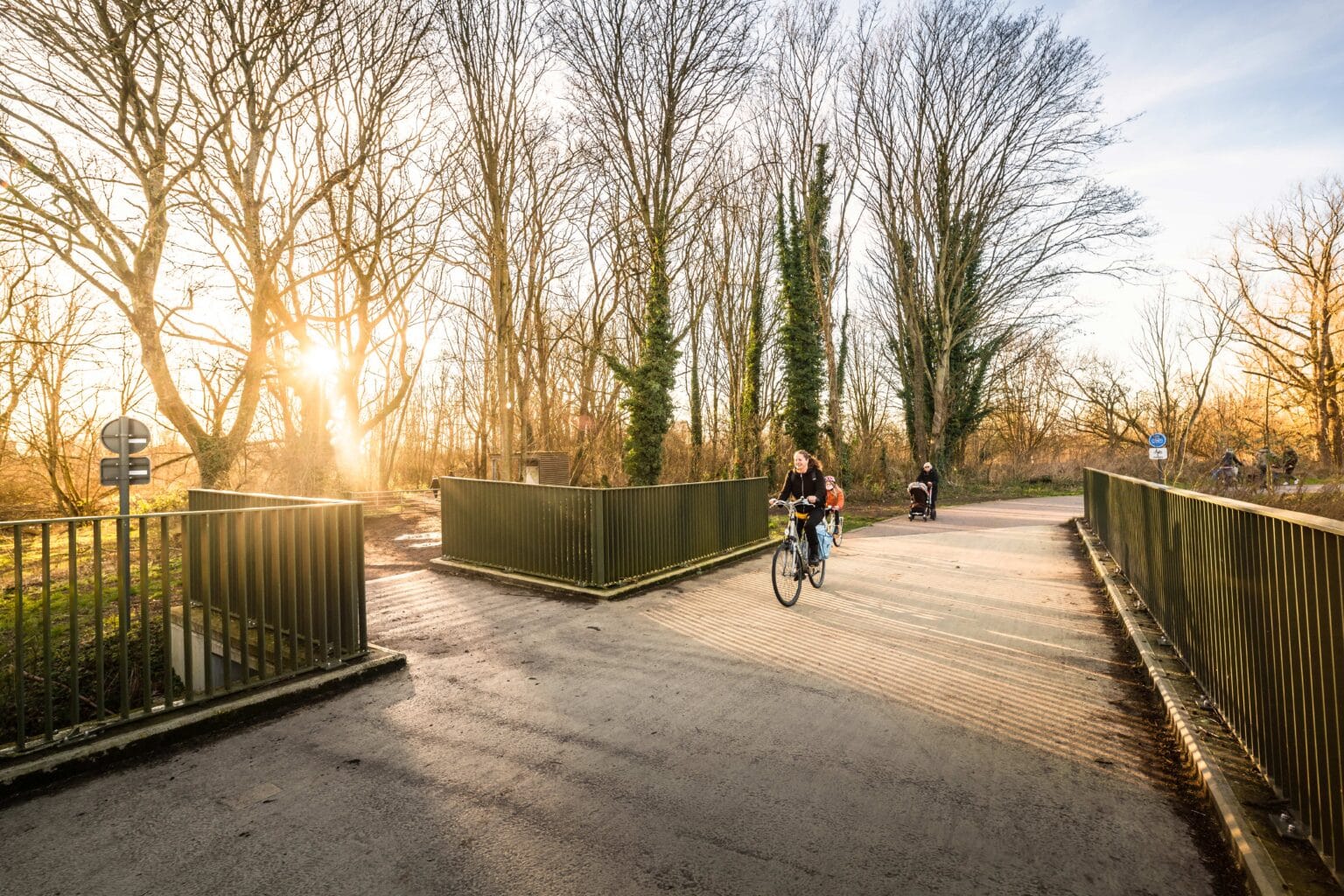
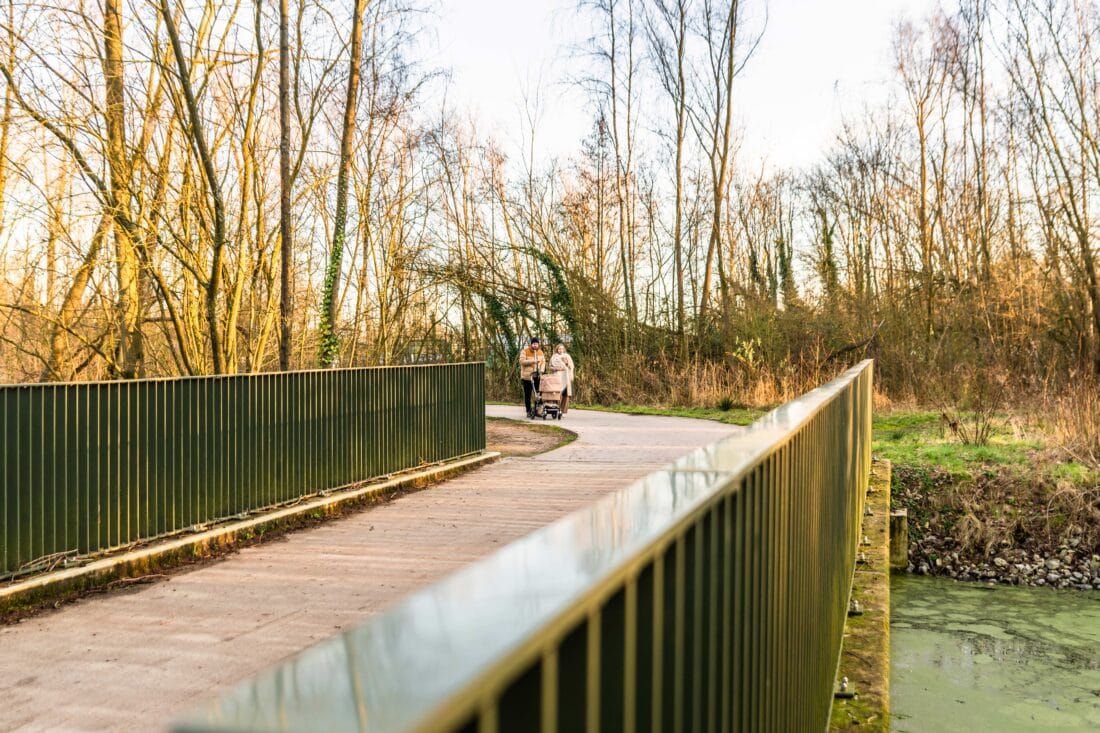
On the marshy terrain of the Bourgoyen-Ossemeersen protected nature reserve, we provided a cycling connection between Noormanstraat and Mahatma Ghandistraat. We opted for a brown, washed-out concrete pavement, so that the cycle path blends in completely with the natural environment.

During the works, we constructed four bridges over watercourses. Three bridges (with a span of 13, 14.5 and 21 metres) were designed as concrete integral bridges, the fourth (with a span of 14 metres) was designed at the request of Onroerend Erfgoed in steel with a plank deck.

Safe bicycle underpass

The Drongensesteenweg is one of the city’s most important roads, connecting the R40 with the R4 and also providing access to the E40. This major traffic artery carries a large volume of traffic to and from the city. Prior to the intervention, cyclists on the Westerringspoor had to cross the Drongensesteenweg via a signal-controlled bicycle crossing. This was not only unsafe, but also compromised cycling comfort and the continuity of the main route. To address this, the City of Ghent asked us to design a new bicycle underpass.

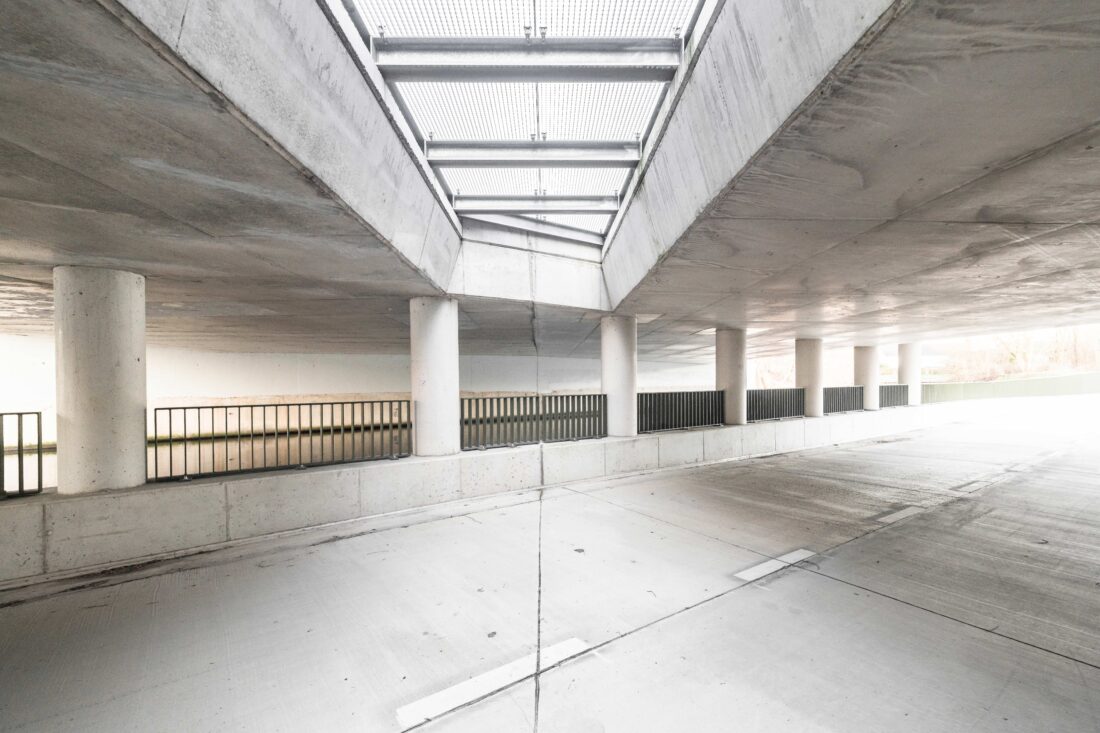
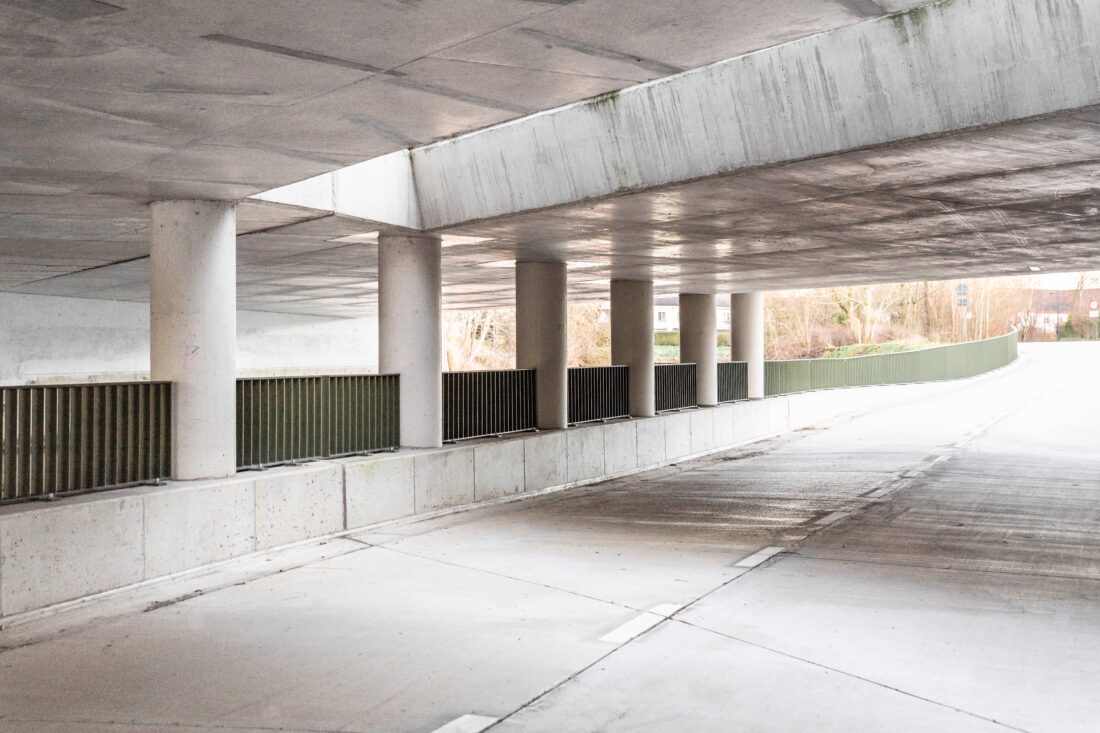
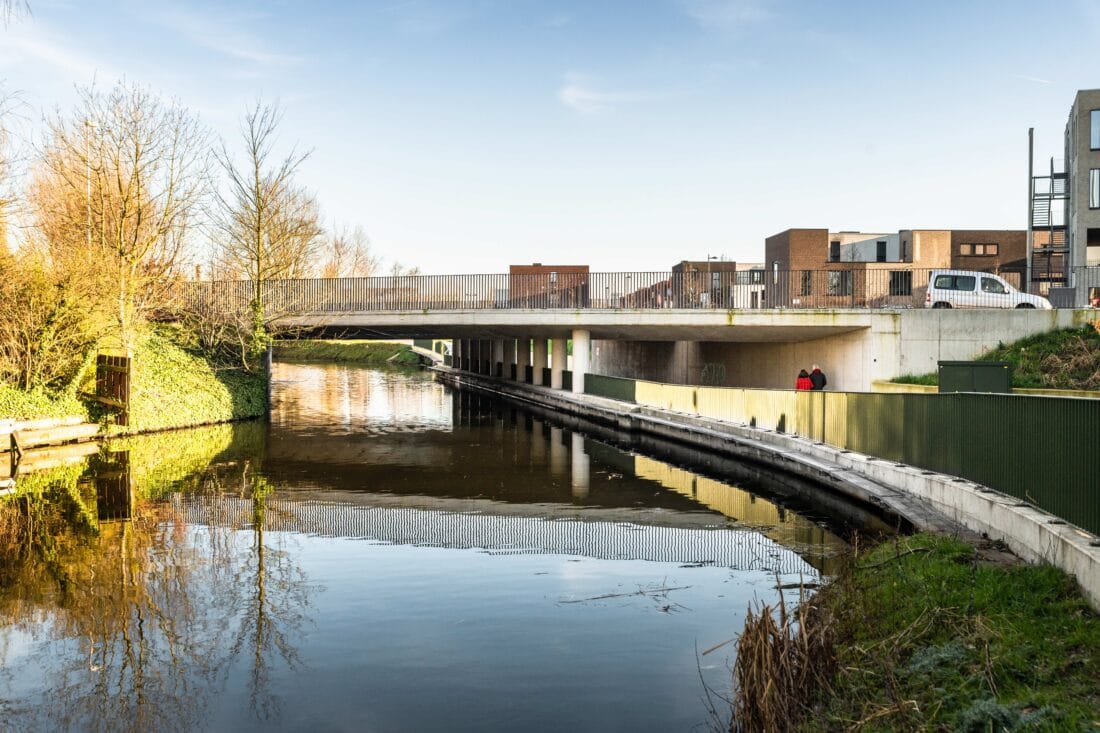
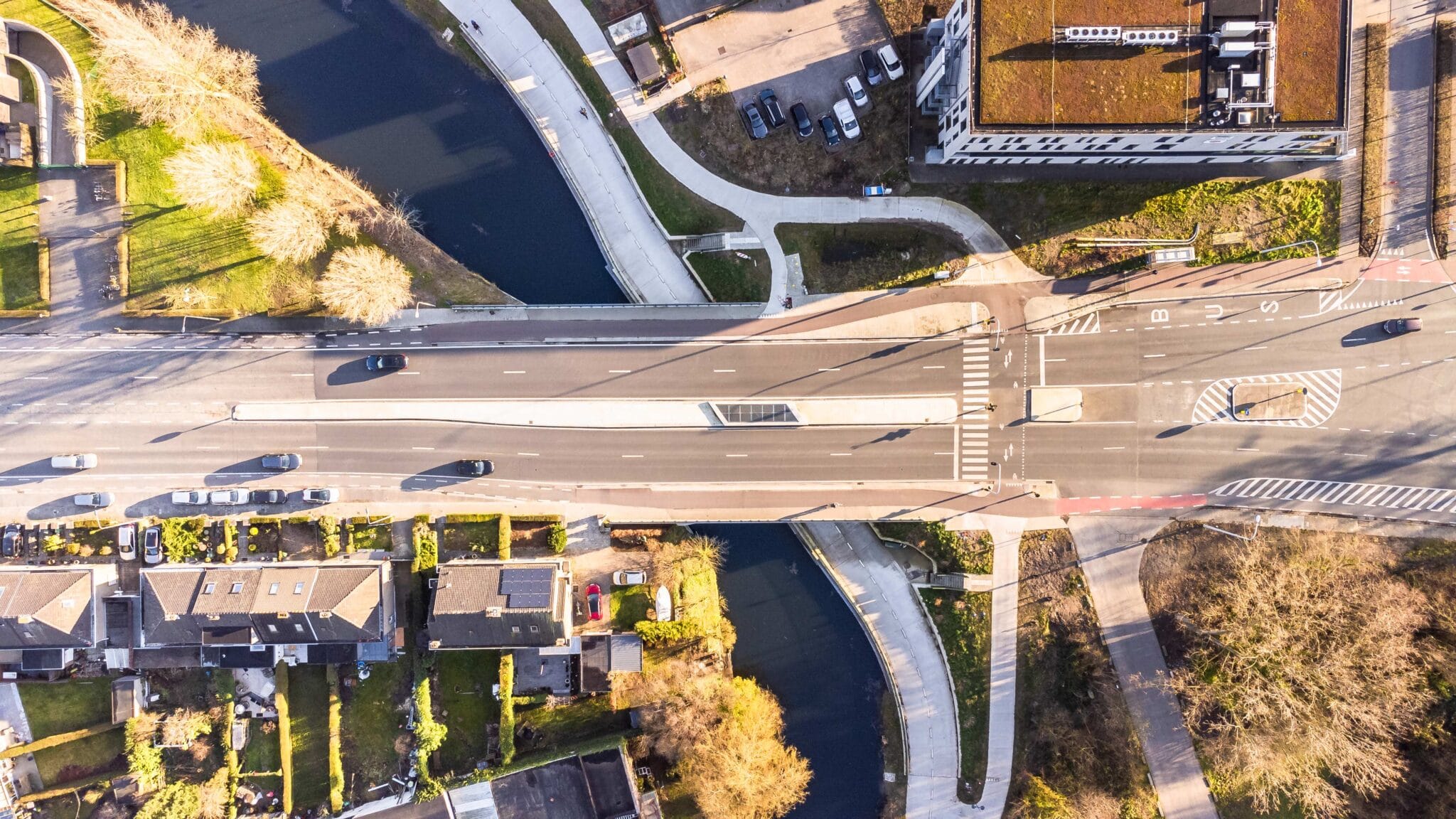
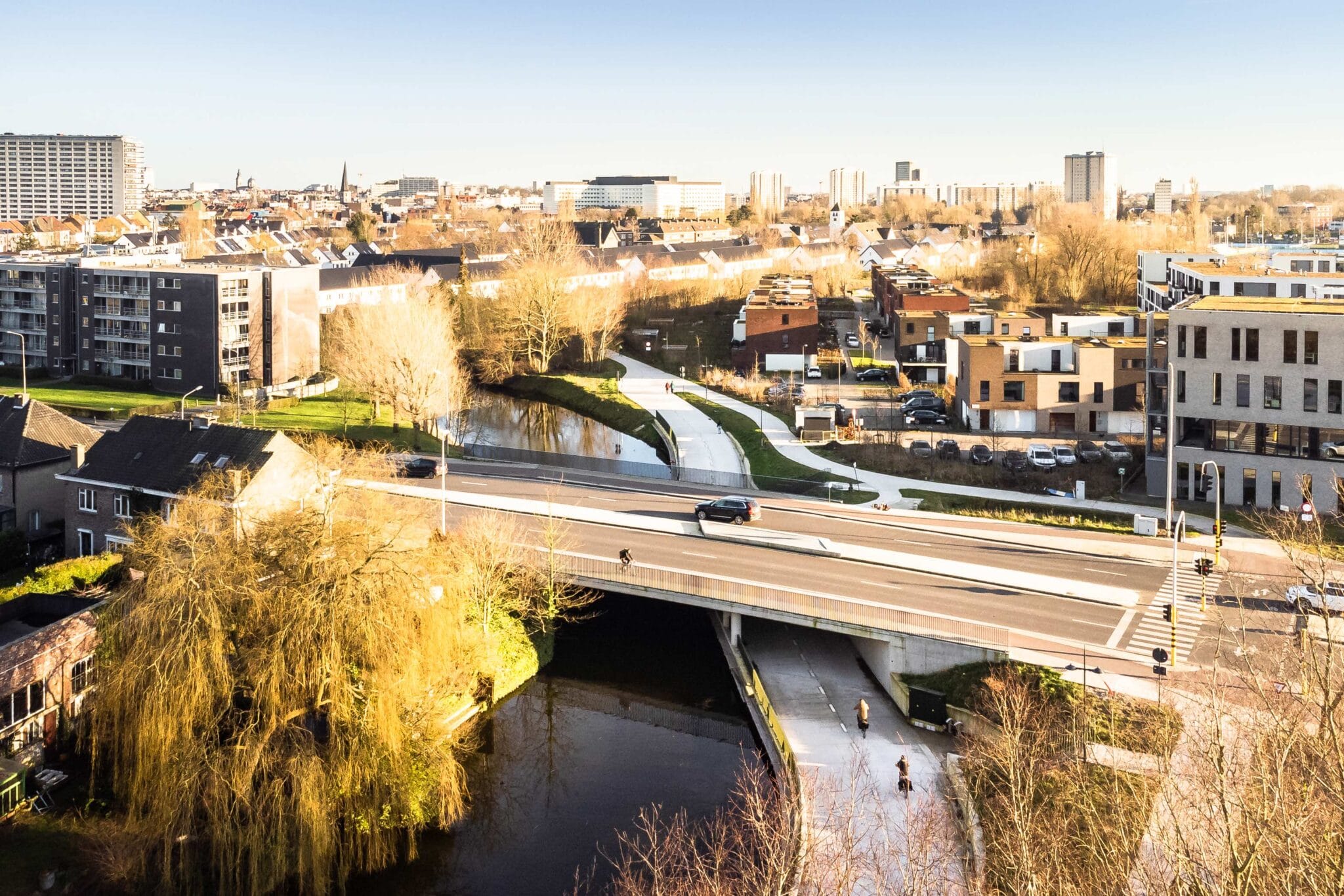
After evaluating several scenarios, we decided to construct a new bicycle tunnel connected to the existing Leie culvert. We expanded the sightlines in the tunnel by demolishing part of the existing wall and replacing it with a column wall, which has a positive impact on the perception and experience of the underpass. The project included, among other things, water-related civil engineering works, access ramps, fixed bridge spans, and road works.
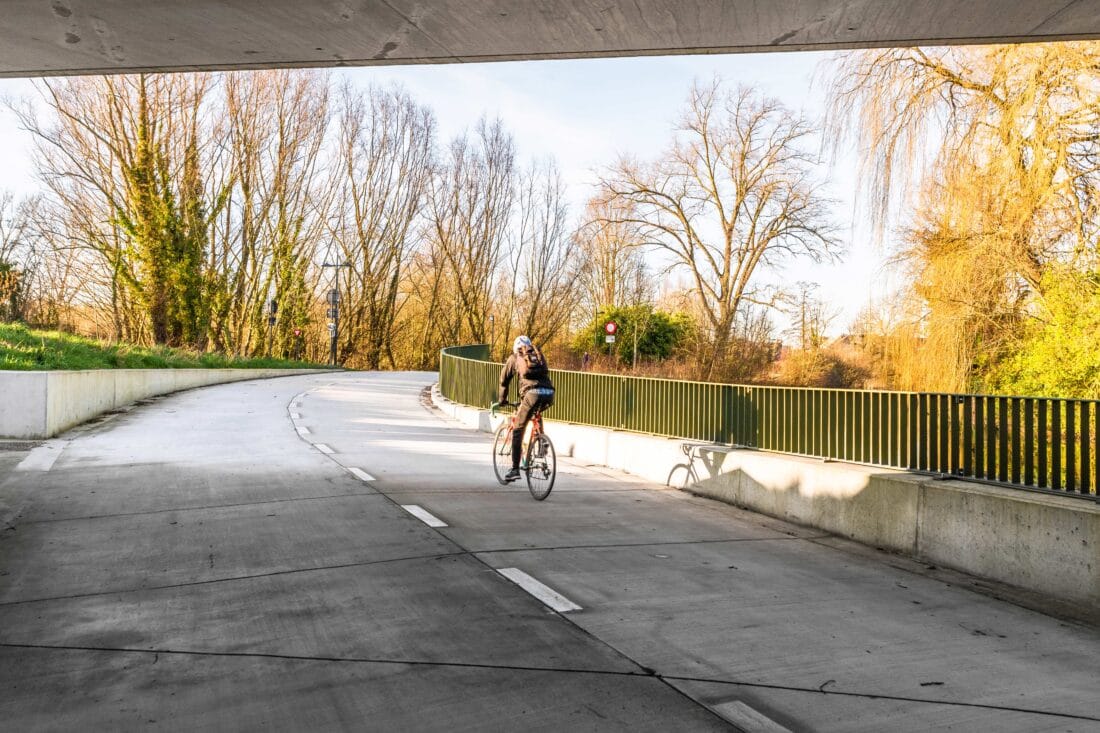
Today, cyclists and pedestrians can safely and unobstructed cross the intersection of Bunderweg and Drongensesteenweg underground.

Grote Markt, Hasselt

Grote Markt, Hasselt

2019
EvoltaProjectsGrote Markt, Hasselt
Client
City Council of Hasselt
Location
Hasselt
Architect
Team Concept & Space

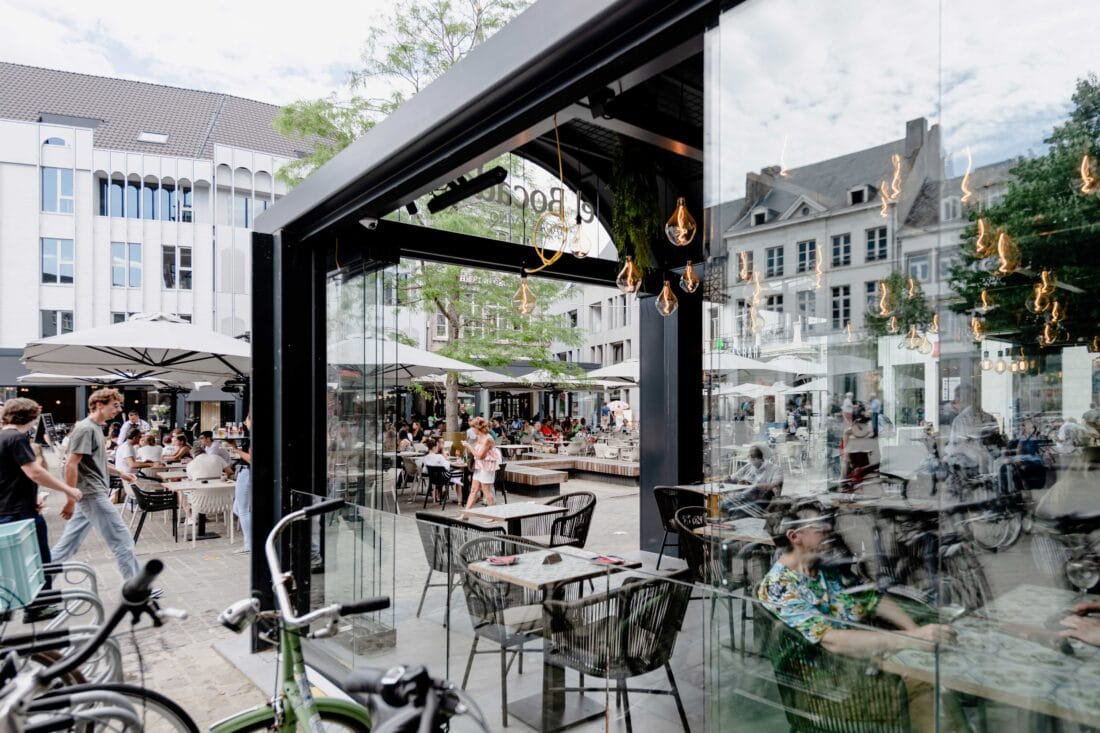
Redevelopment of the Grote Markt into an inviting central square

Translation of urban master plan into (plan of) action

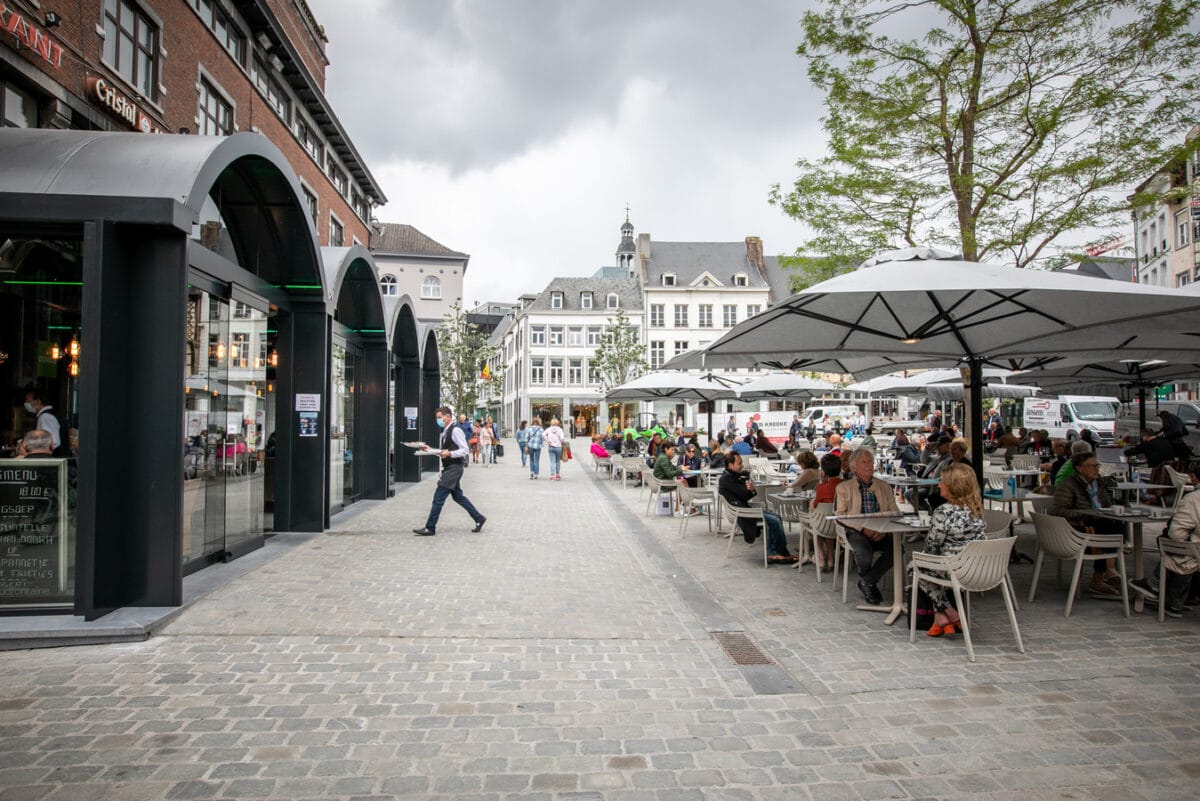
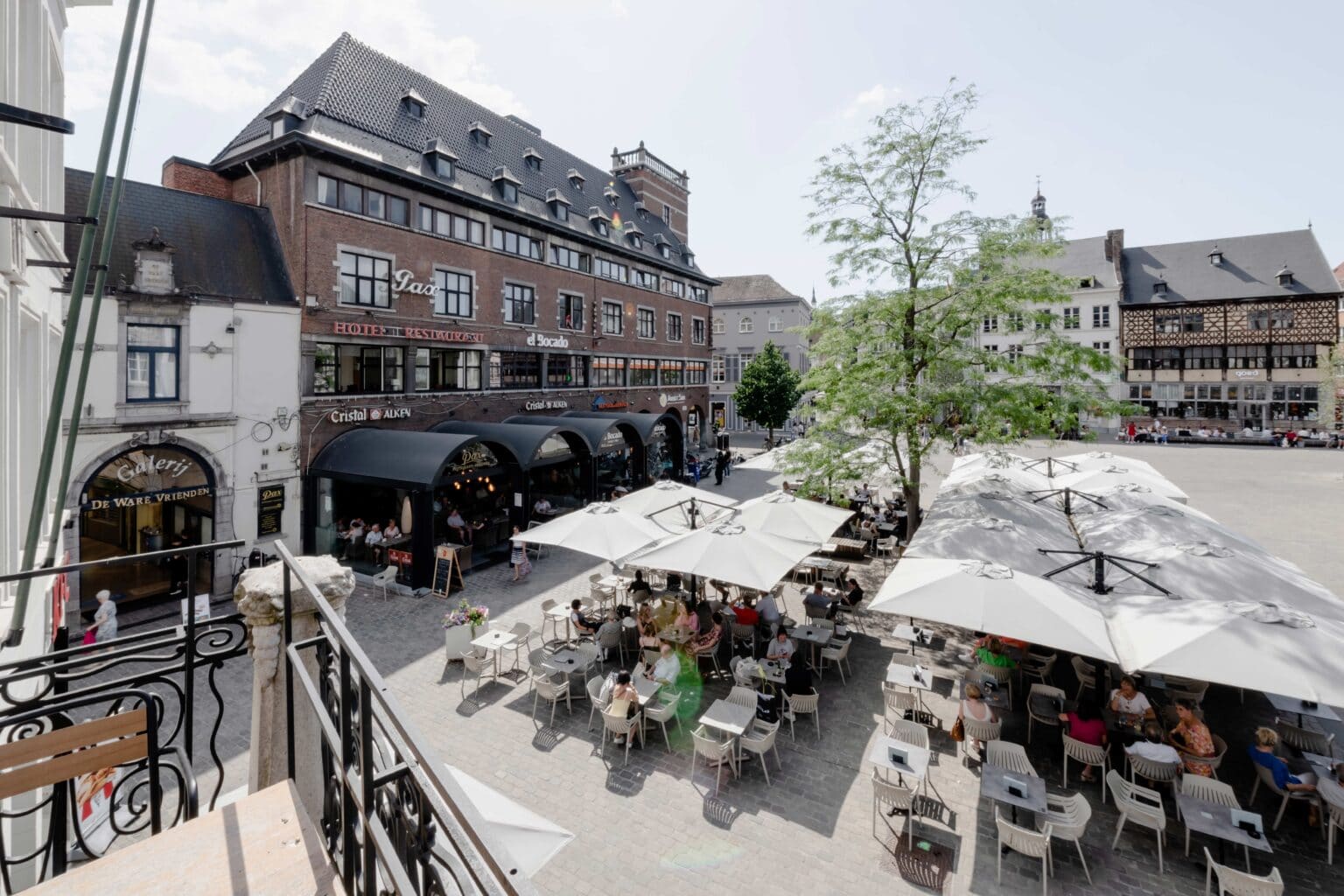
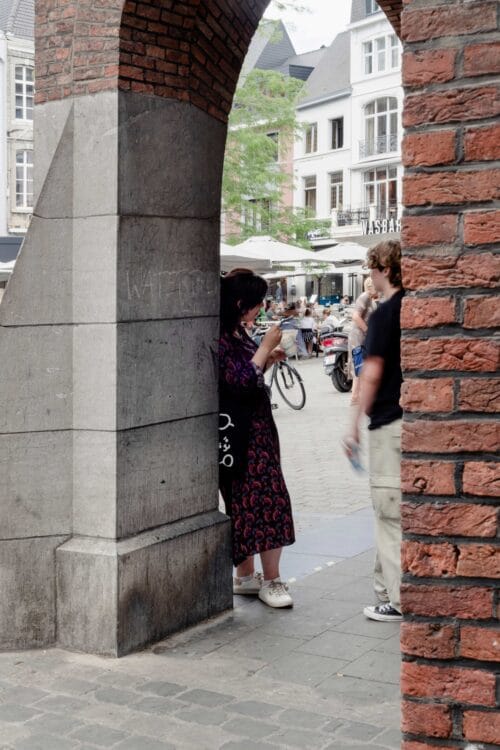
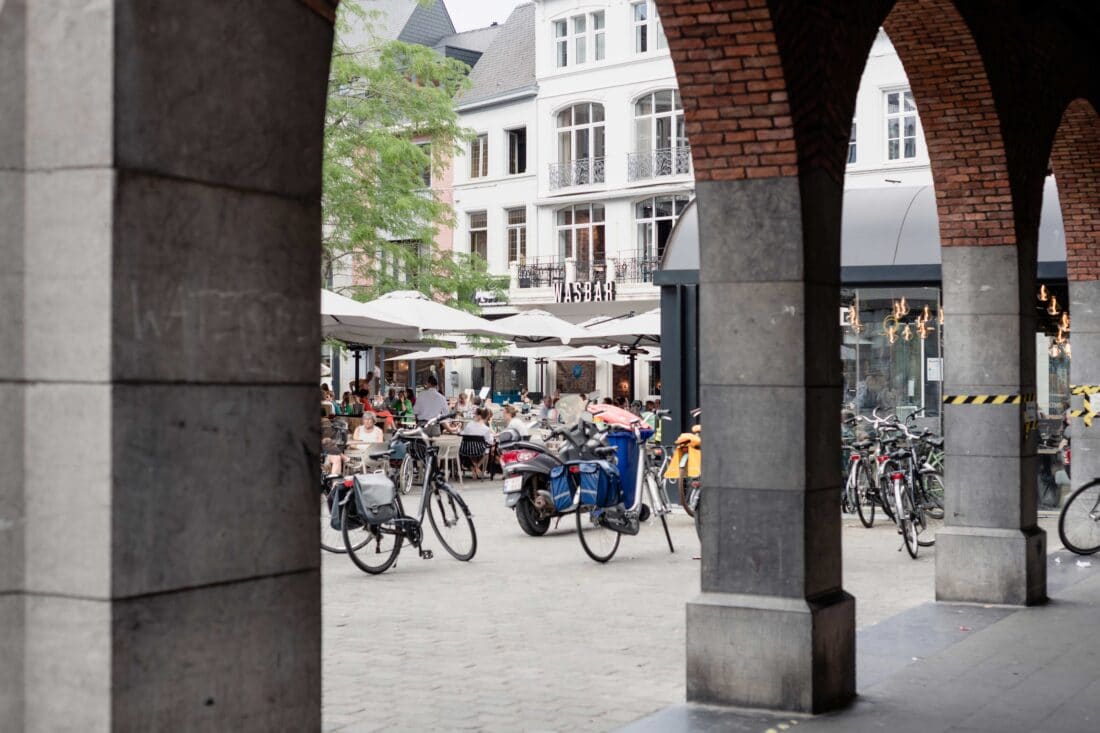
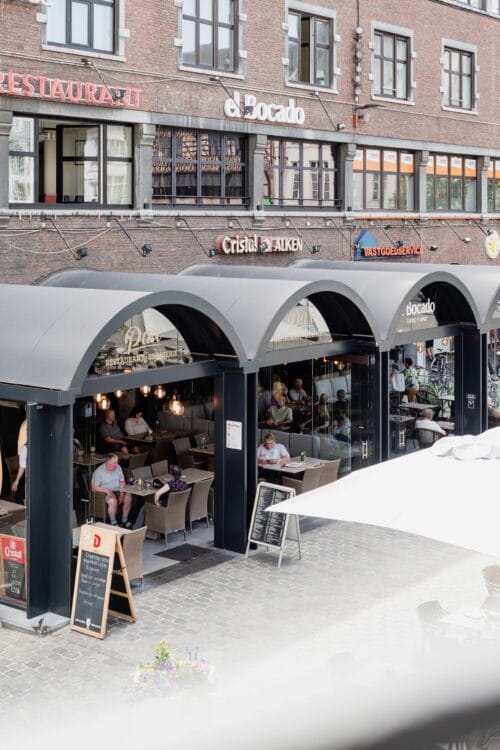
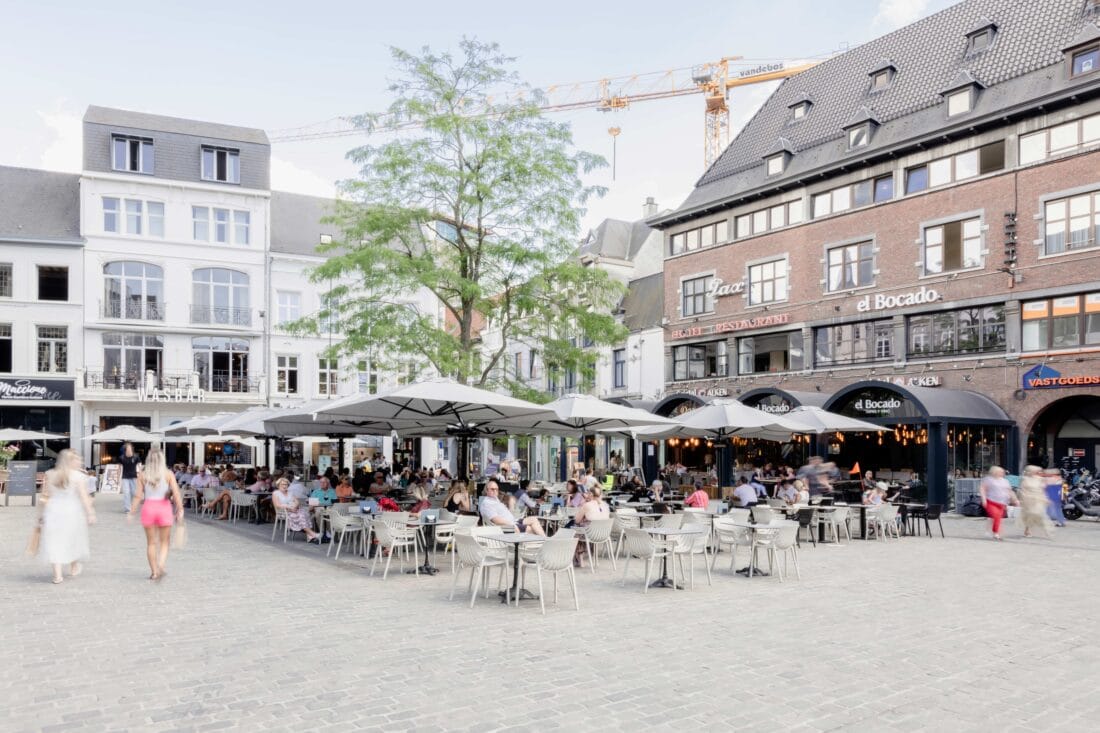
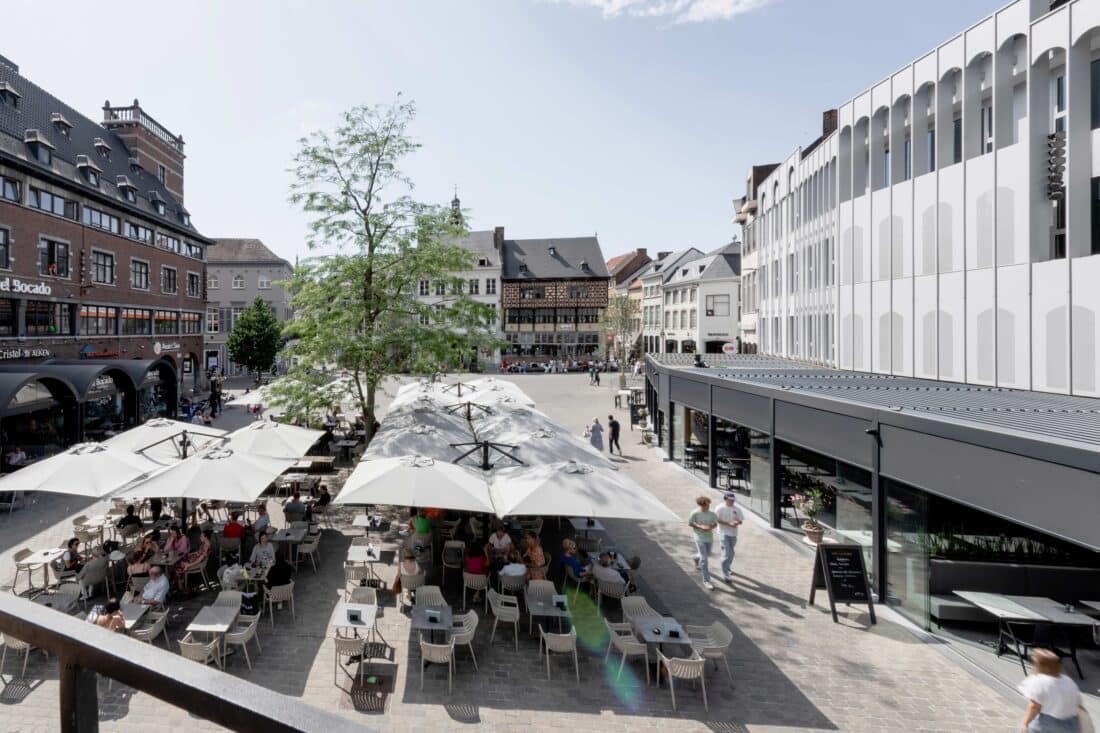
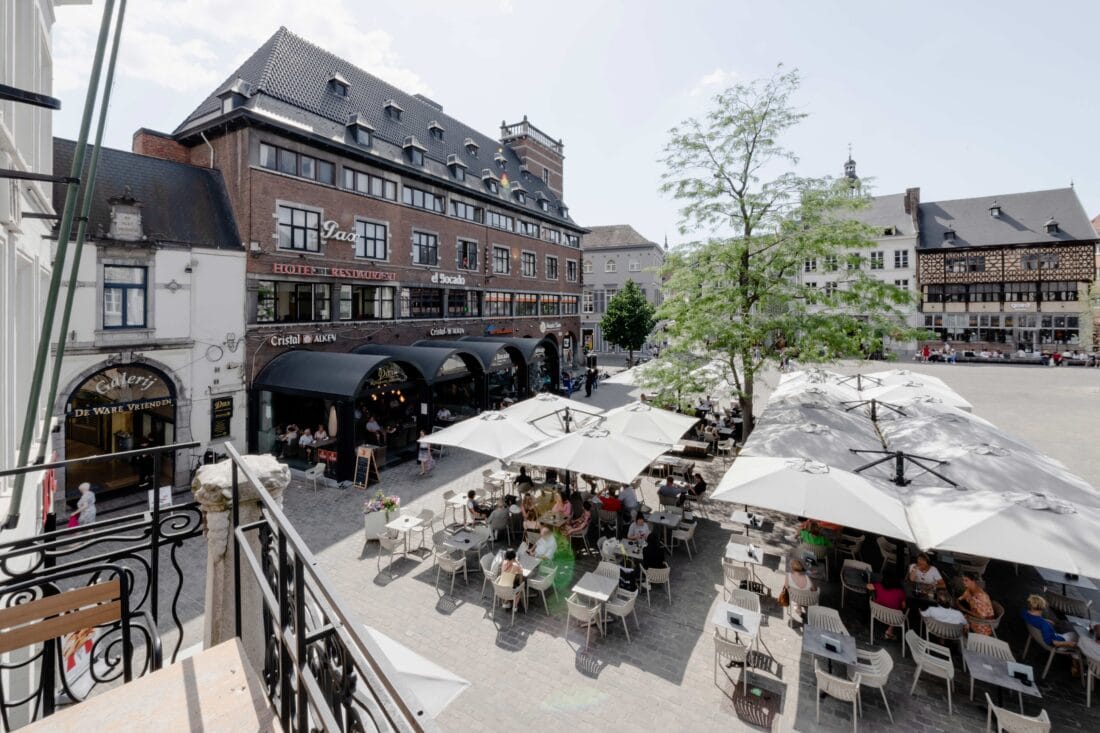
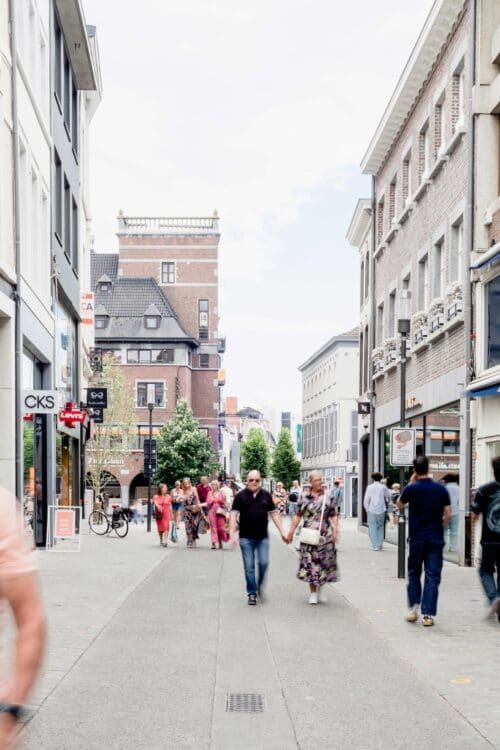
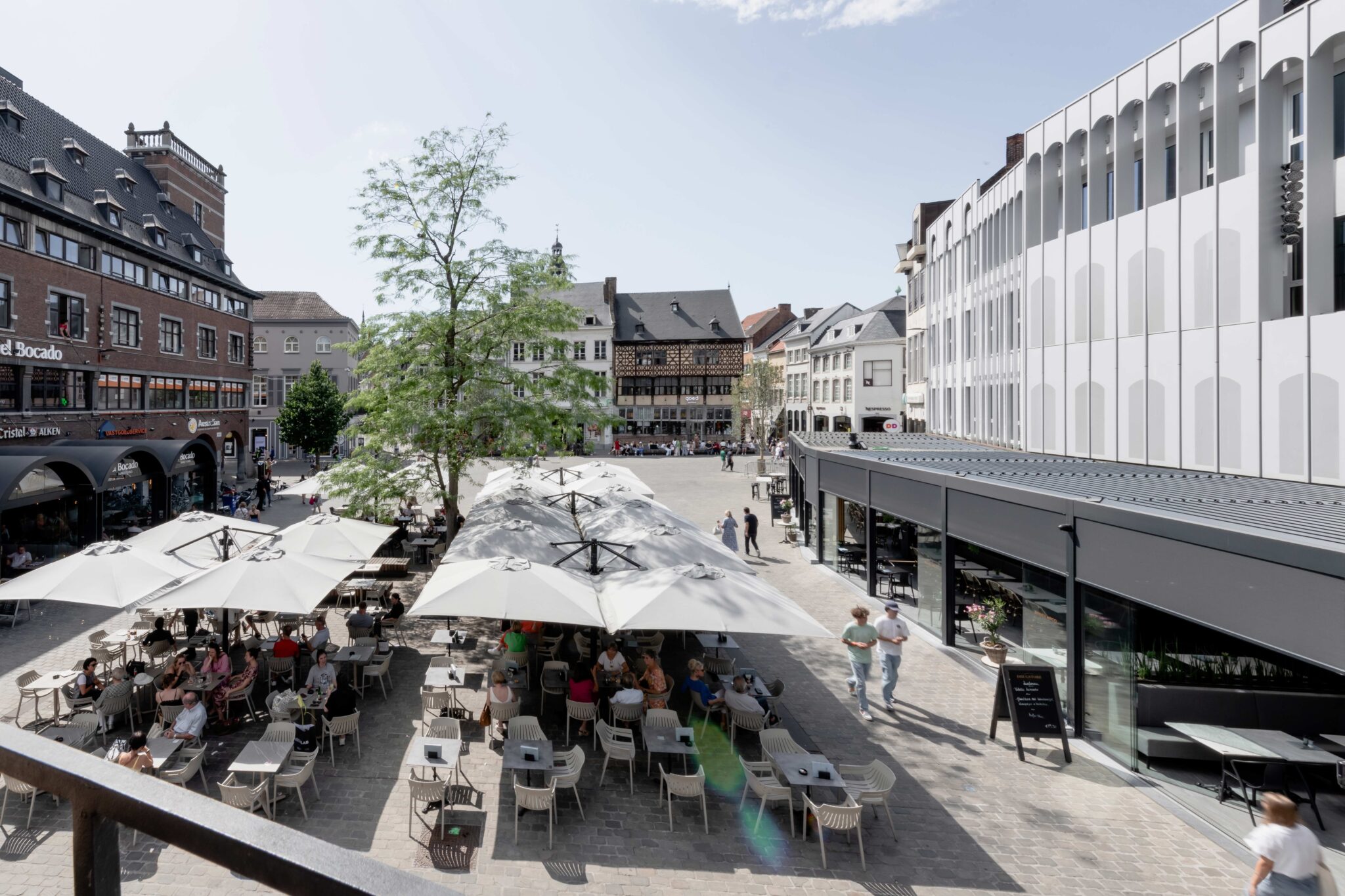
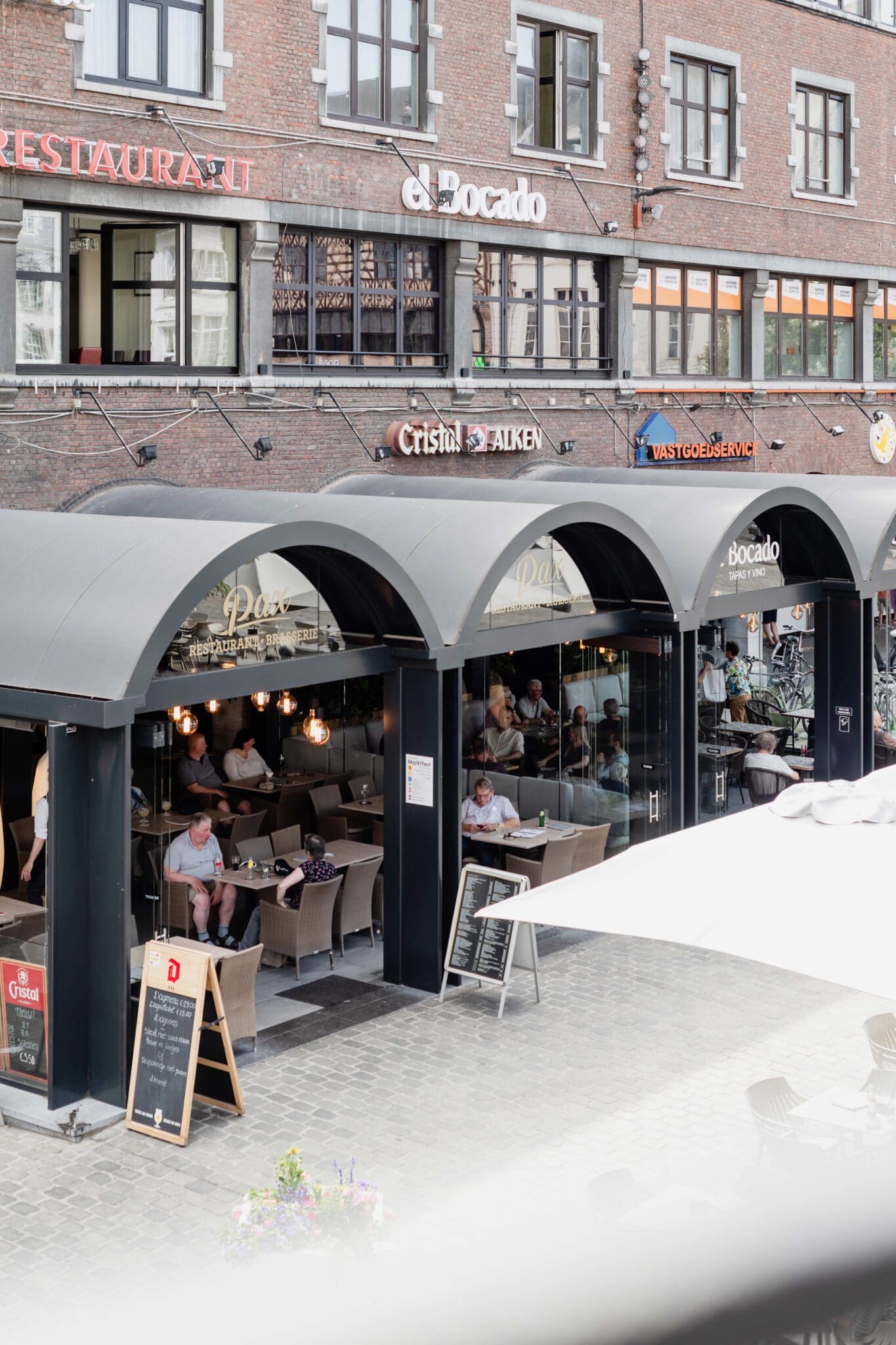
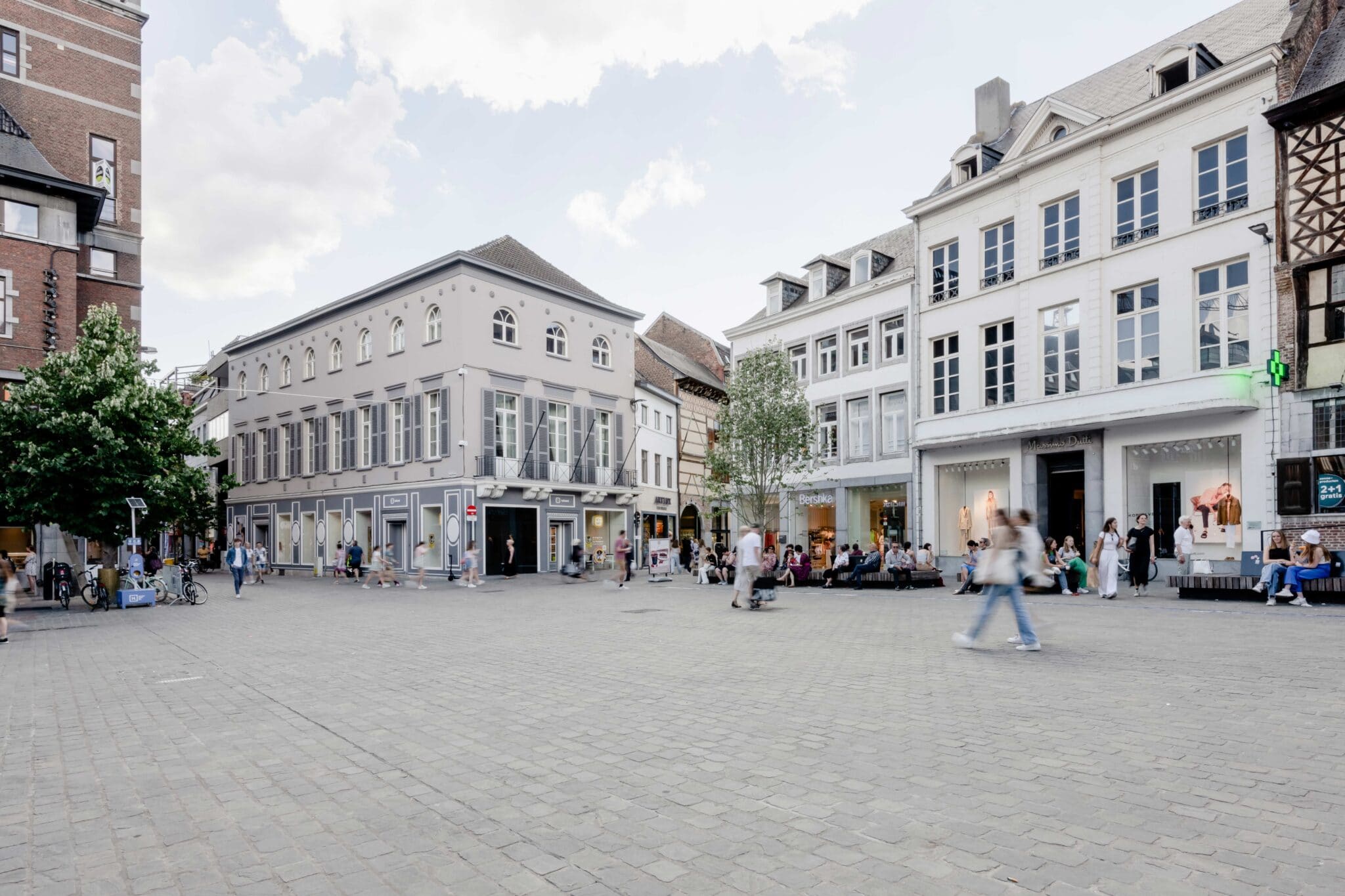
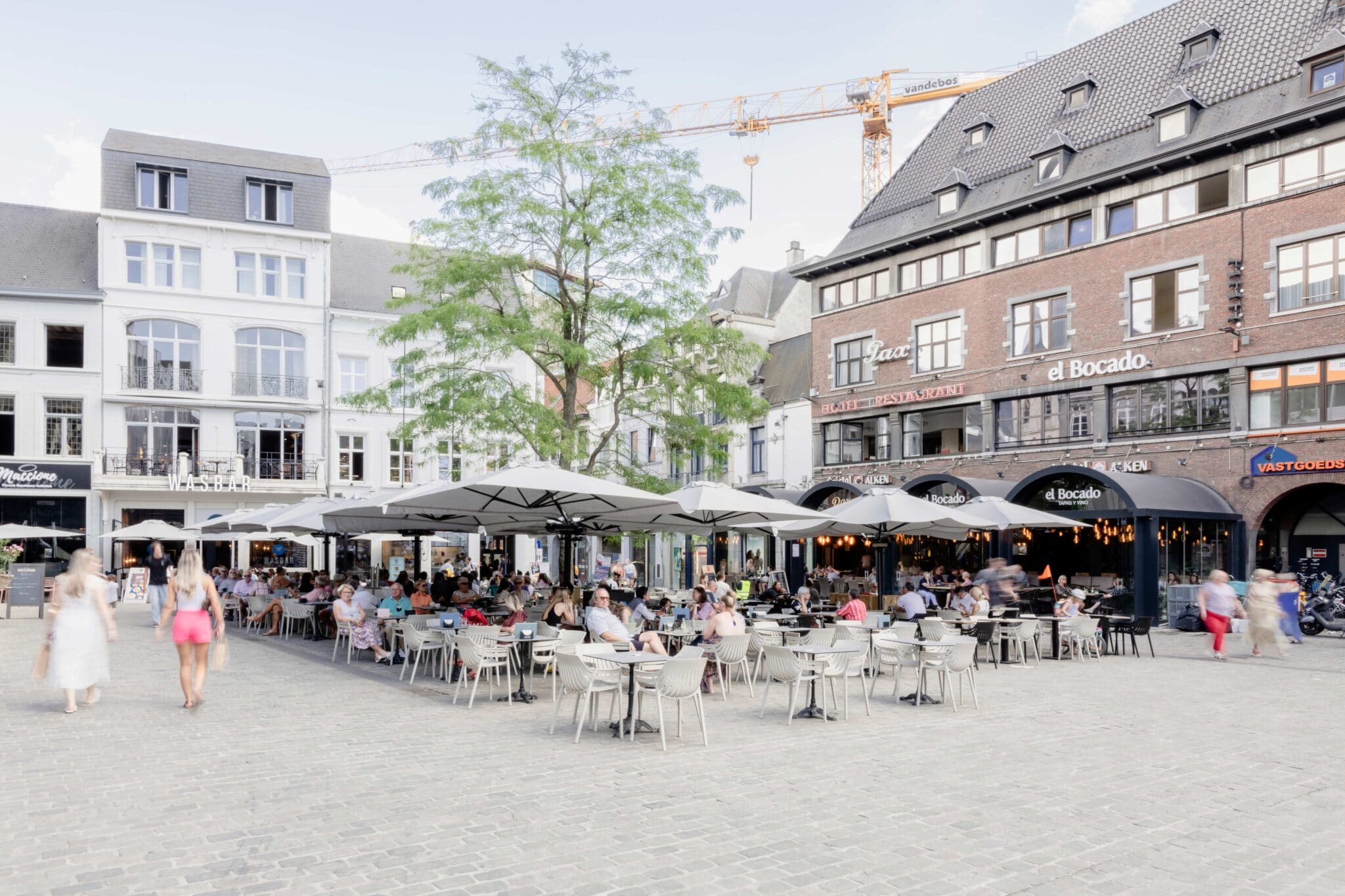
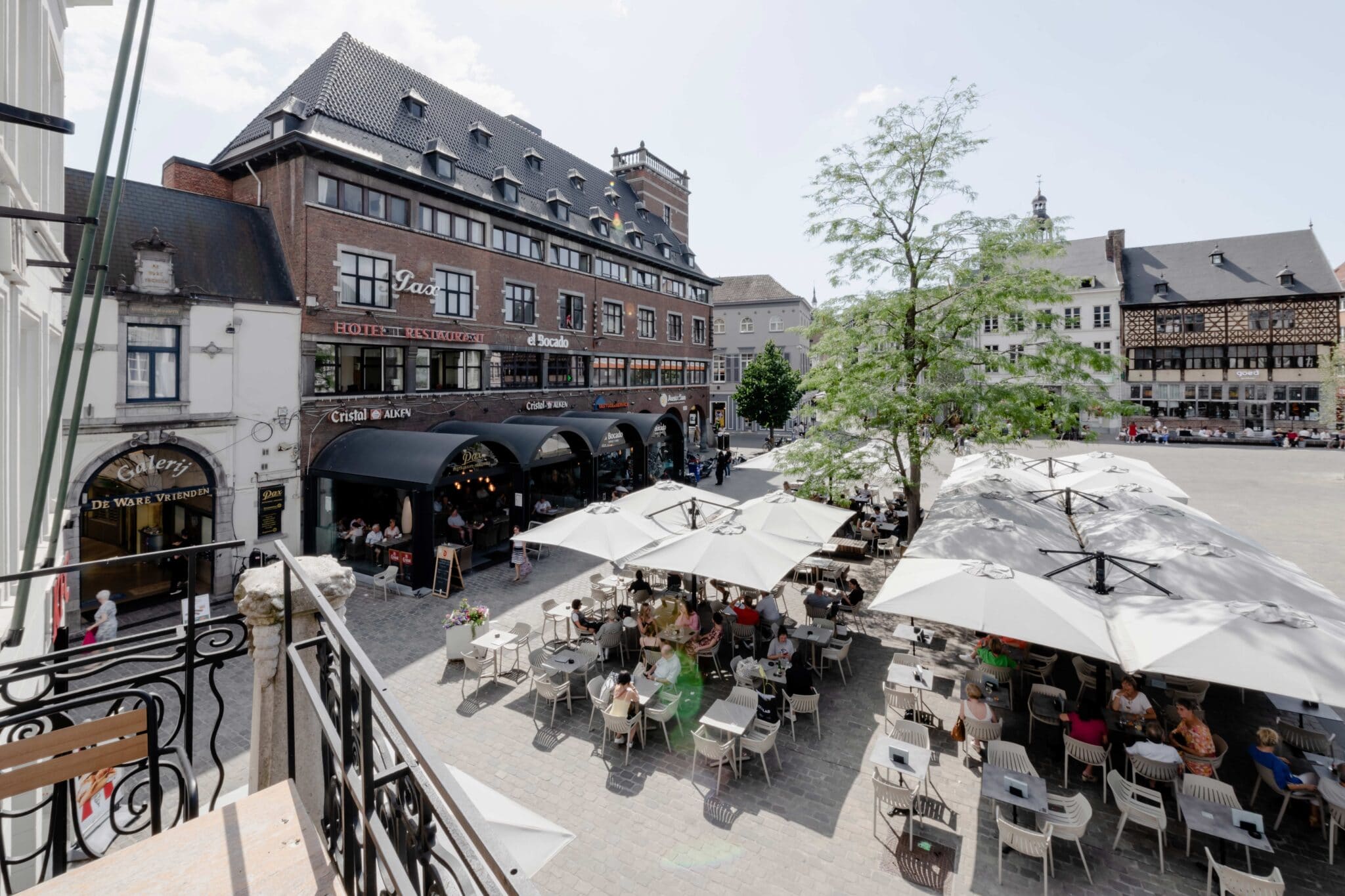
Over the years, the Grote Markt of Hasselt had lost its allure unnoticed. The square was not very large, and was therefore fragmented by a street, various outdated materials, unfortunate street furniture and terrace constructions that demanded too much space and attention. To give the centre a new impulse, the city council developed an ambitious master plan for the entire city centre: Grote Markt, Havermarkt, Kapelstraat, Kortstraat, Hoogstraat, Kleine Maastrichterstraat. She kept out car traffic and provided new terrace constructions against the facades of the catering buildings, so that space was freed up centrally.

Our Public Space team was tasked with developing the outlines of the master plan into a fully-fledged (preliminary) design and supervising the works in progress. We absorbed the difference in height of the Grote Markt itself, designed terrace constructions and street furniture, and carried out underground measurements for the sewerage system and connections of water and electricity.

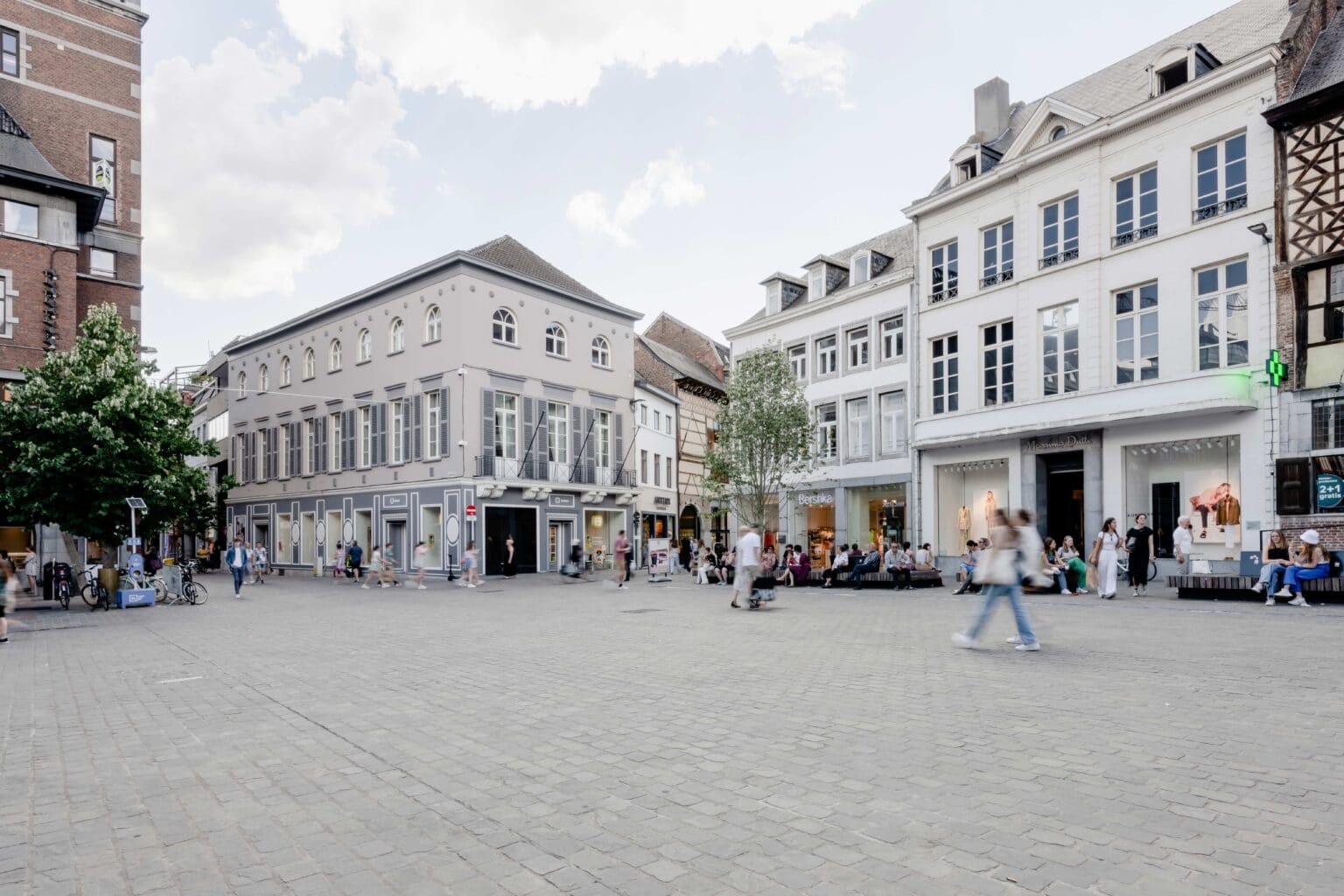
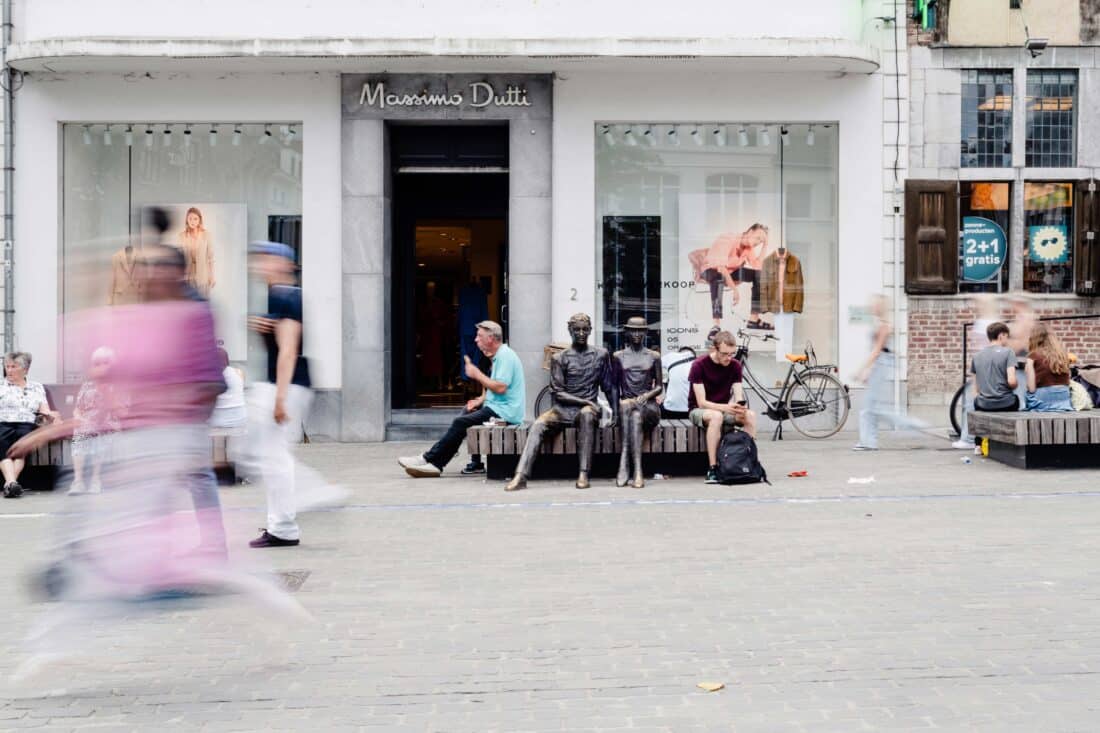
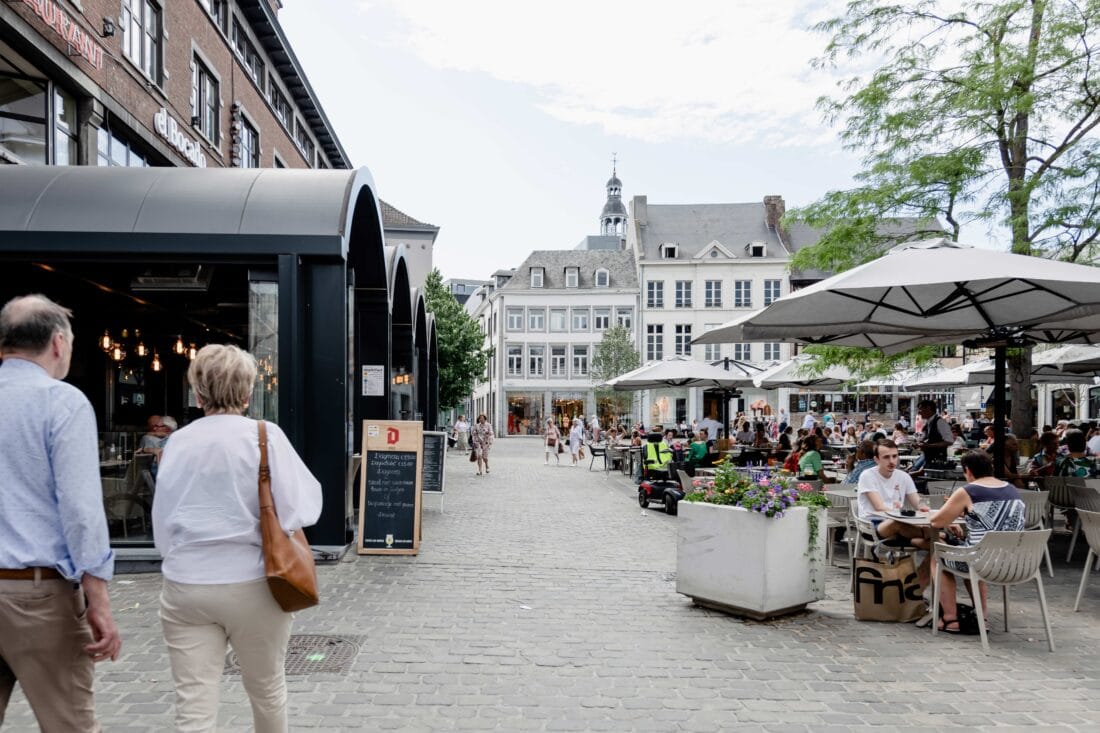
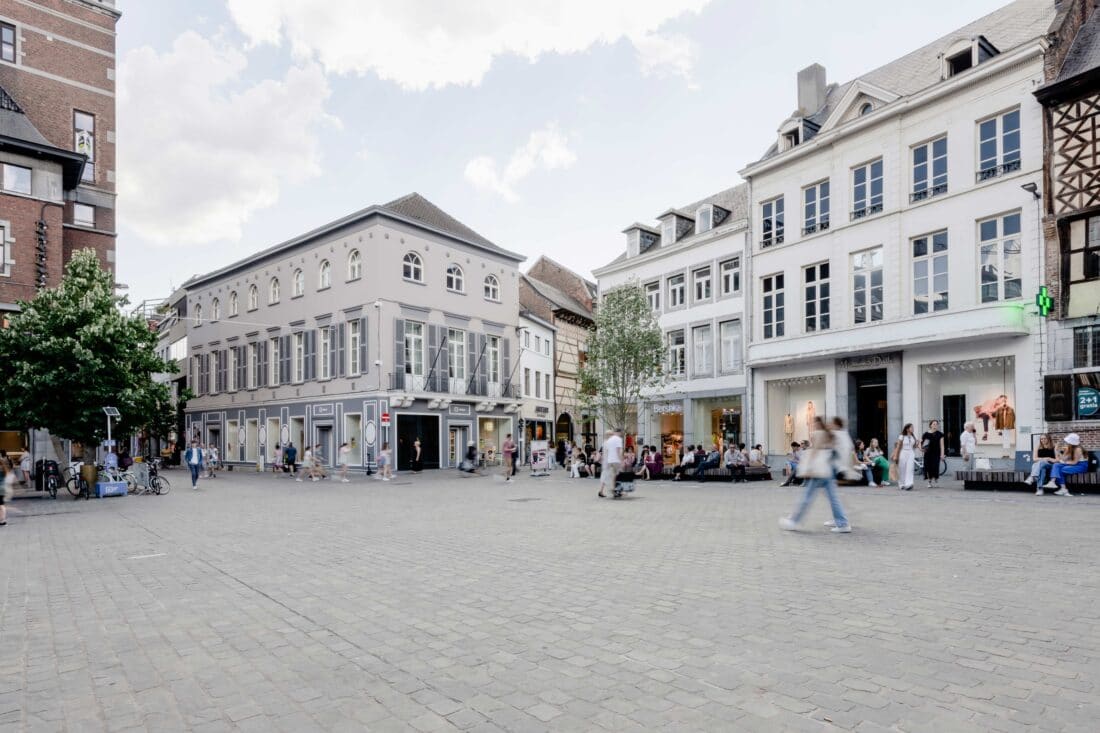
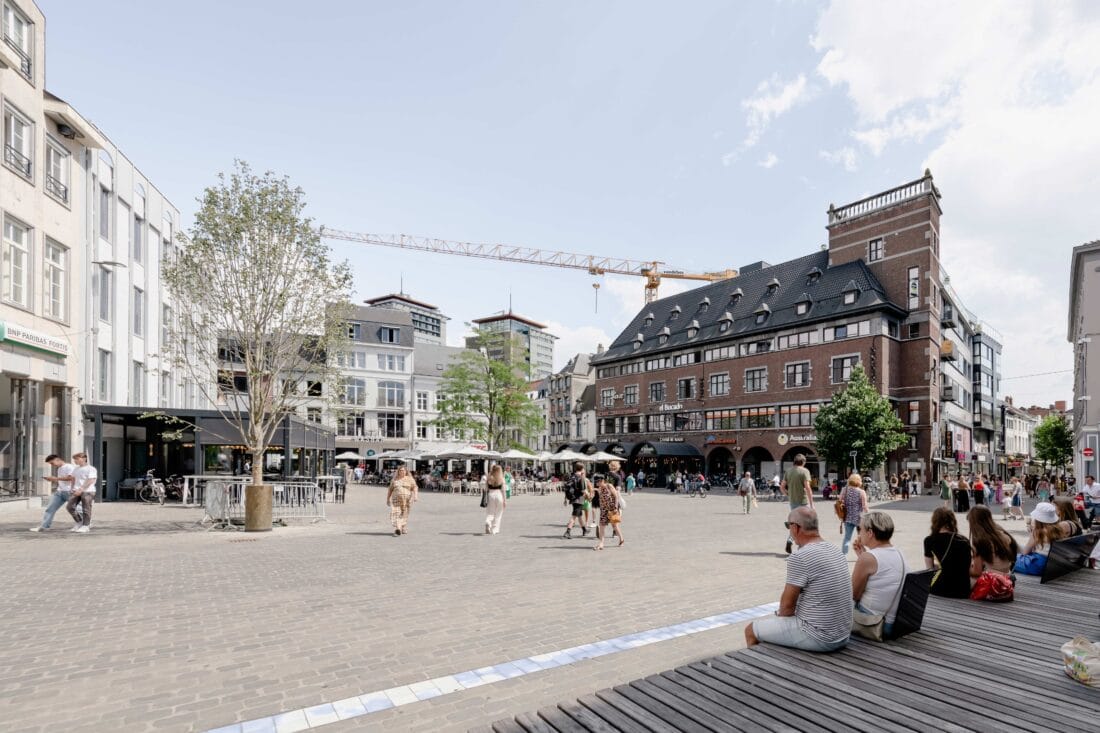
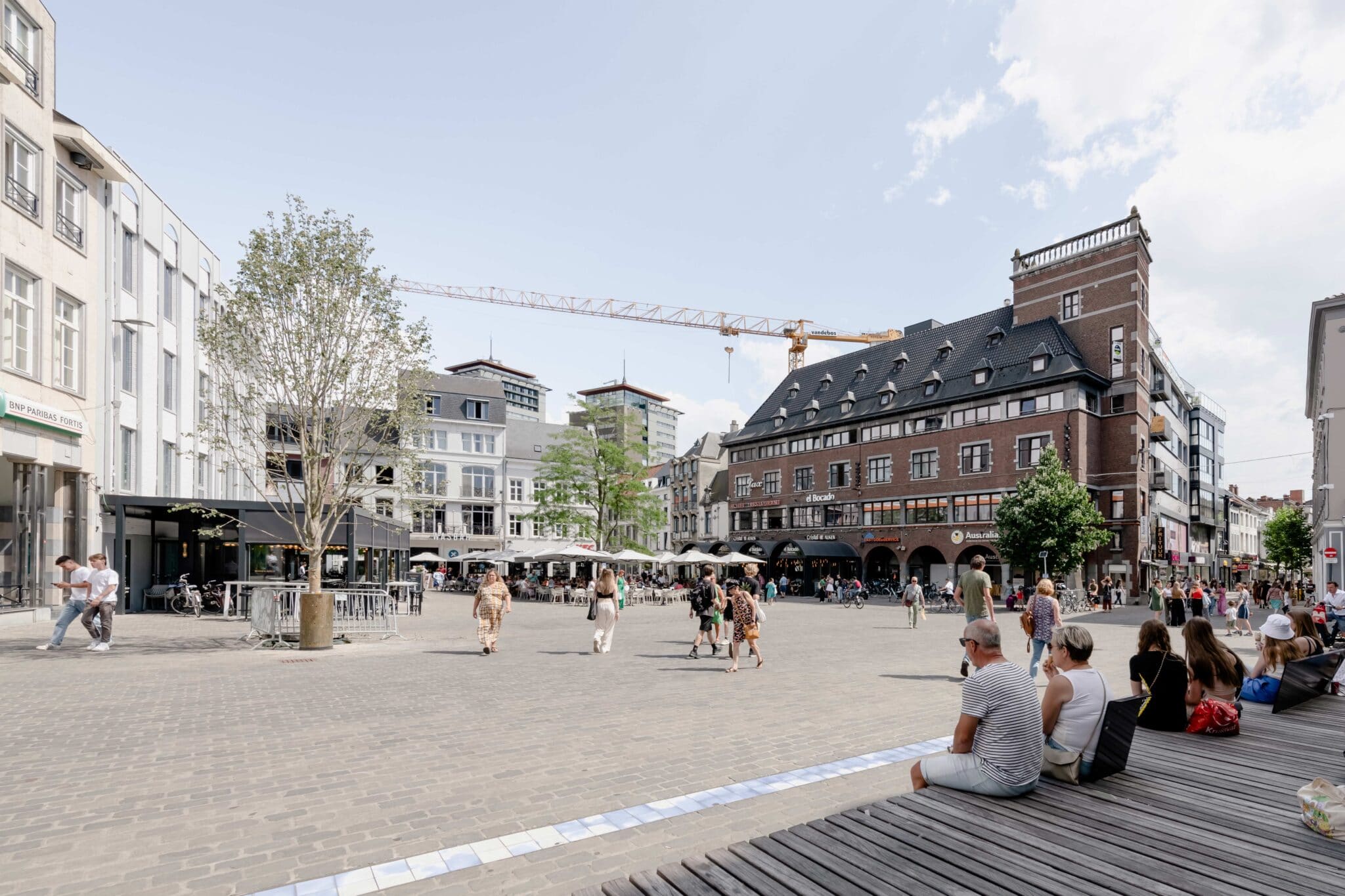
Our design was based on a tabula rasa: we literally erased the entire layout and replaced it with a uniform layout – with one paving material and strategically placed benches on one side of the square. In this way, the Grote Markt was reduced back to its essence: a place to relax and meet. A place that functions as a benchmark in the city center.

The car-free zones were completely paved with natural stone to make the identity and legibility of the market square tangible. For traffic zones, we provided a row runner in washed concrete. In this way, it is immediately clear to road users where their place is in the public domain.

We also used greenery to reinforce the identity of the place. Along the market square, three fully grown lime trees were planted, and right at the center of the square a monumental honey locust was introduced. Today, tree and market square are inextricably linked in the minds of users. As a pars pro toto, or a totum pro parte.

ArcelorMittal, Ghent

ArcelorMittal, Ghent

2016
EvoltaProjectsArcelorMittal, Ghent
Client
ArcelorMittal
Location
Ghent
Architect
Consultancy Services Team

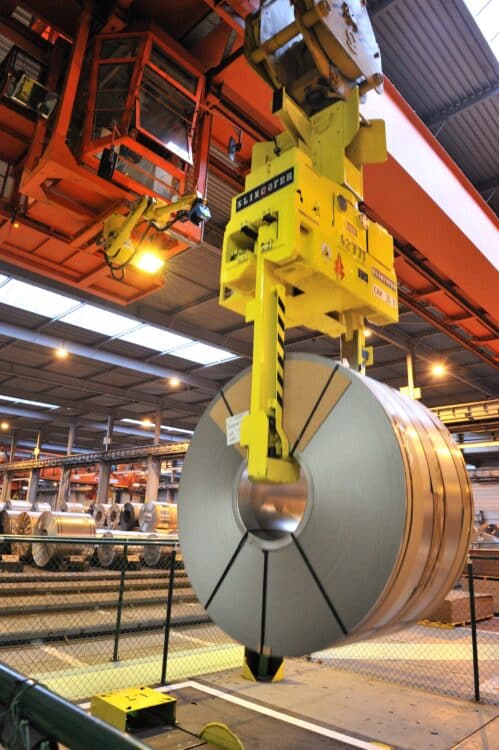
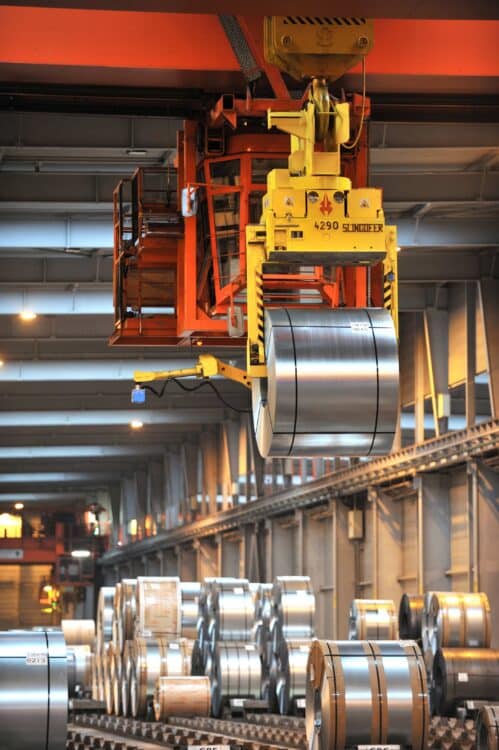
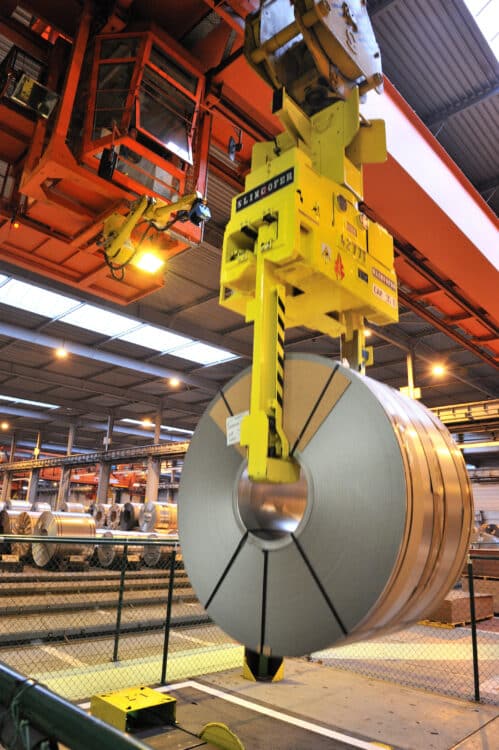
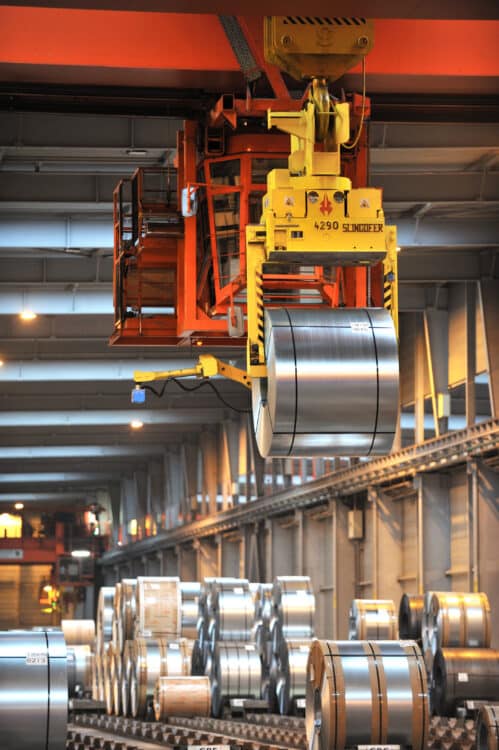
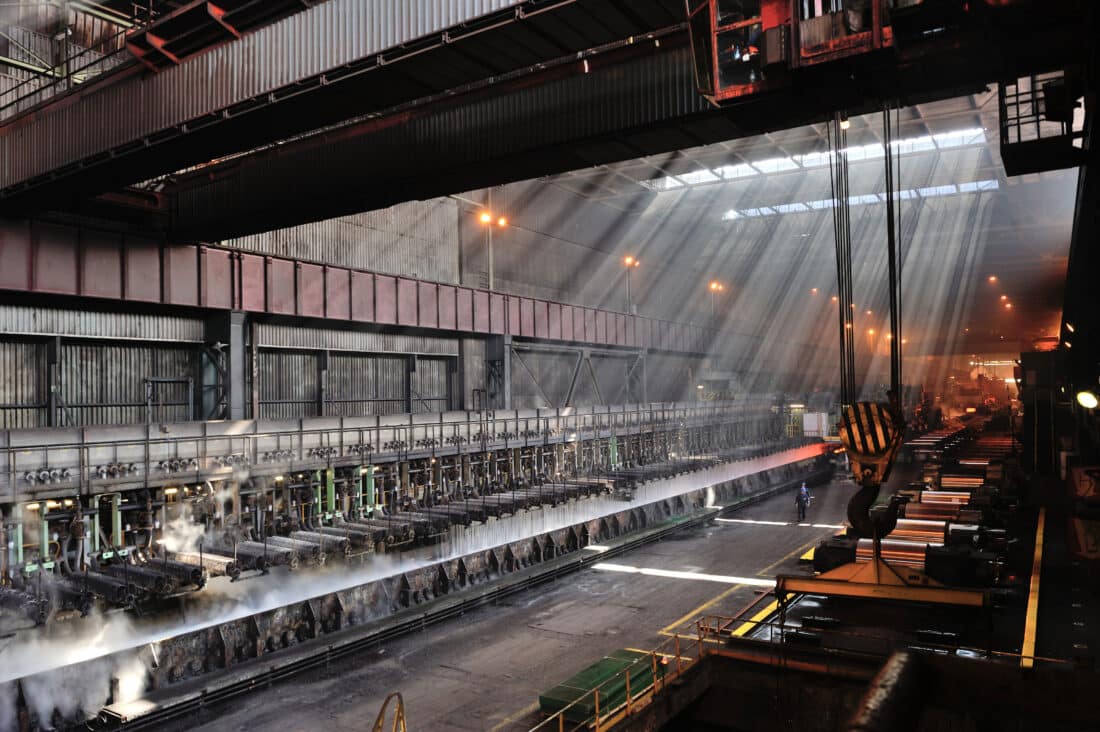
Renovation for final rolling group at Ghent hot-rolling mill

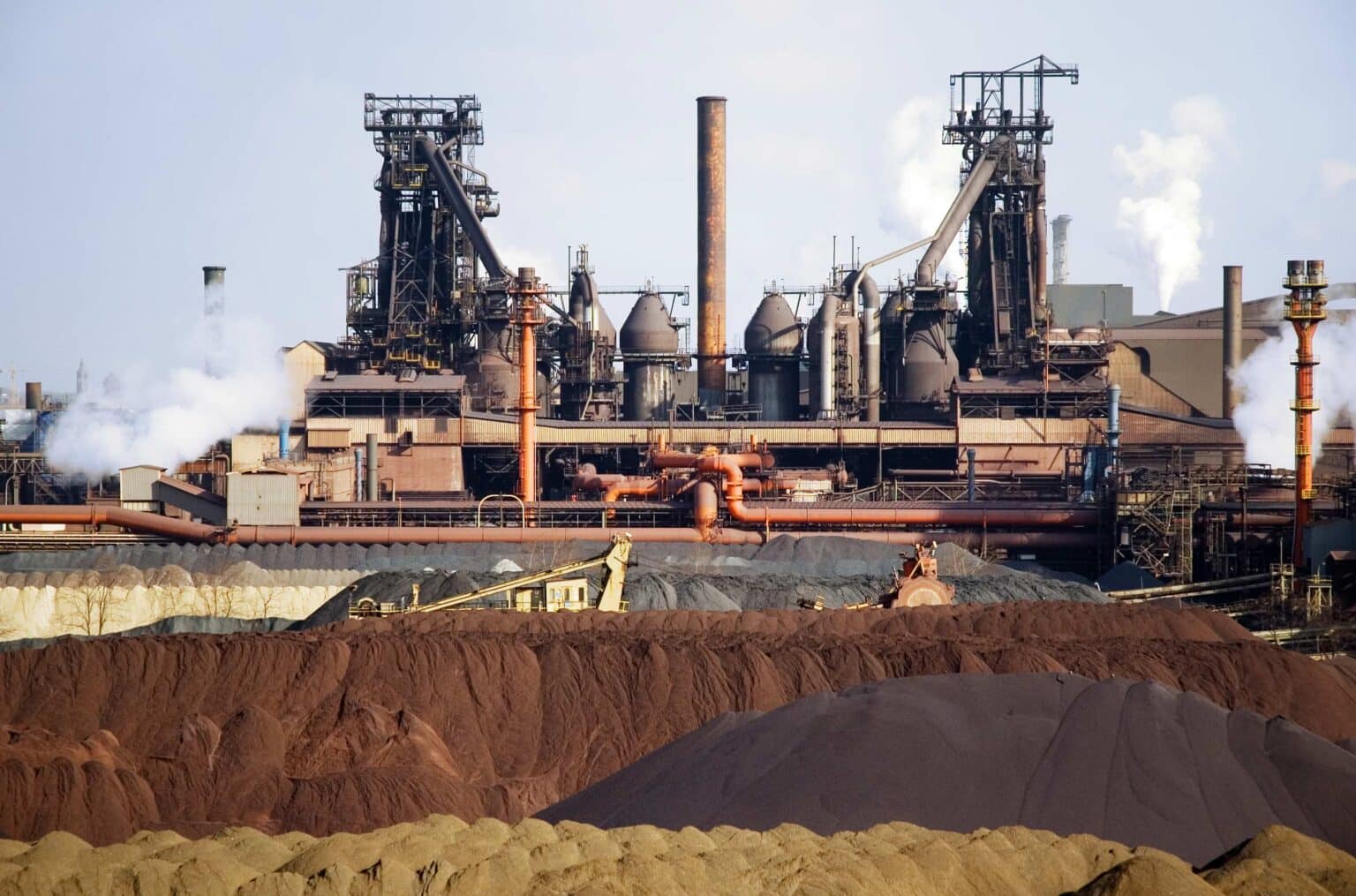
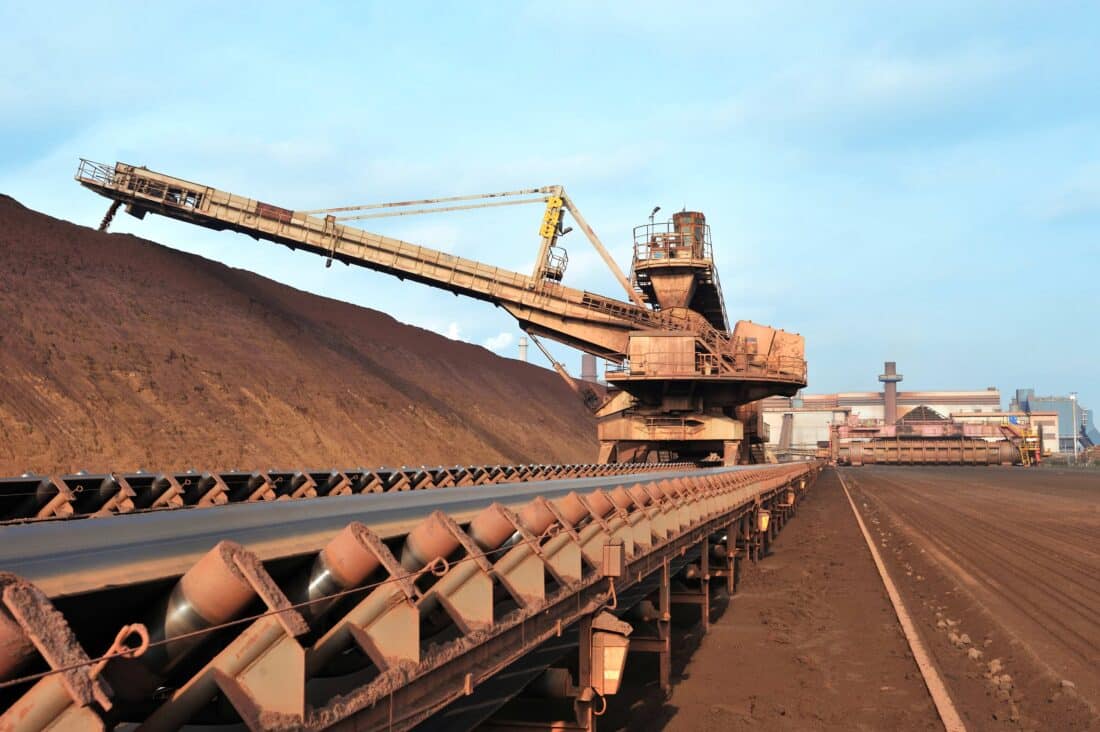
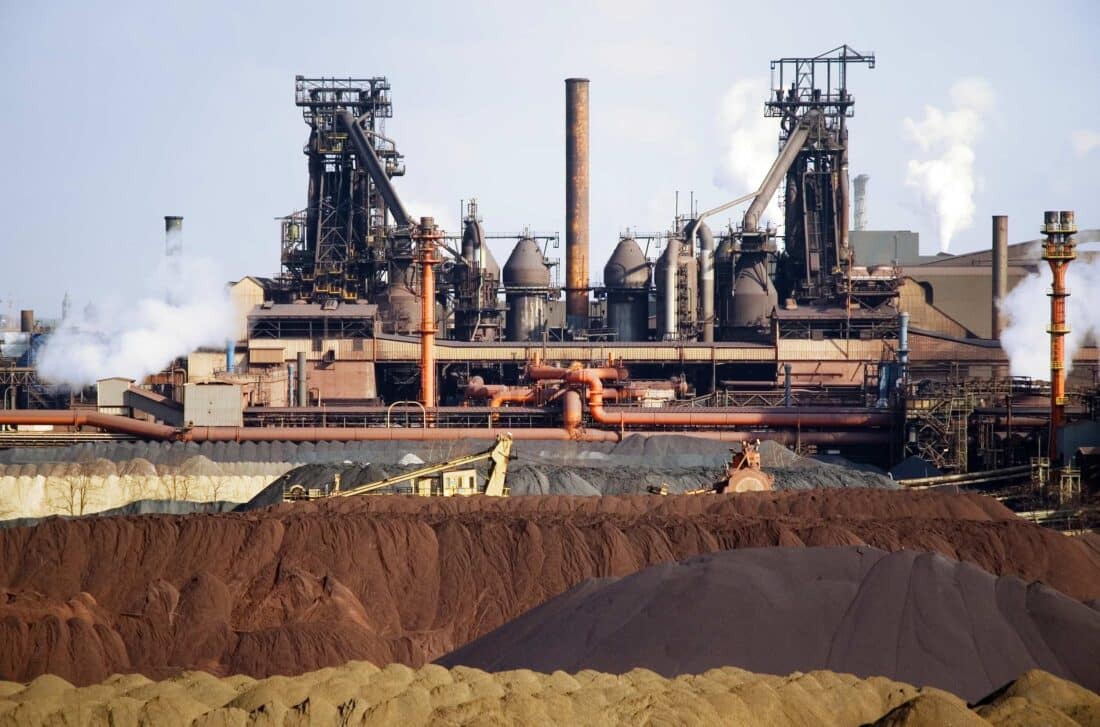
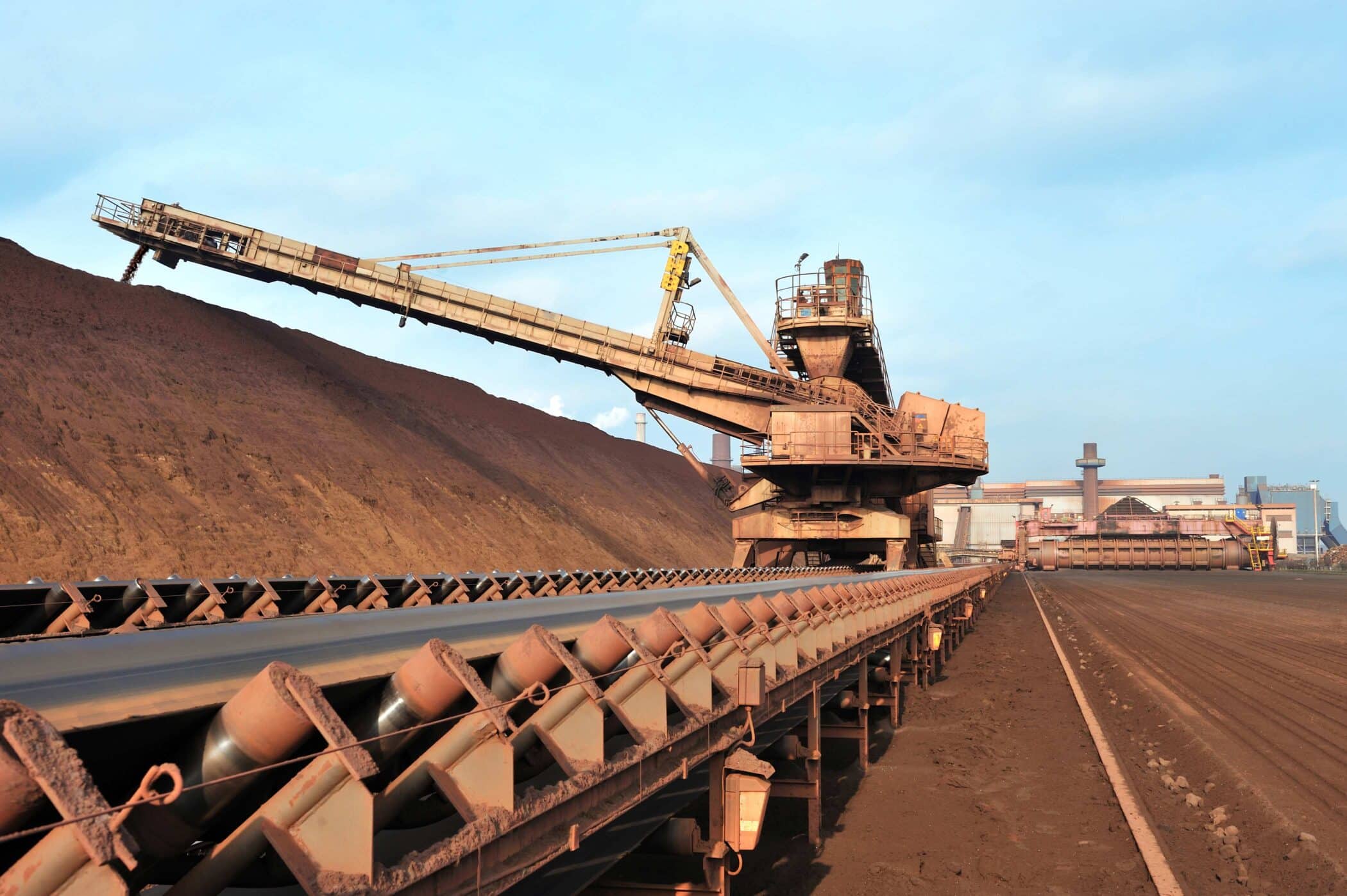
ArcelorMittal saves automotive sector tons of CO2 with ultra-thin steel

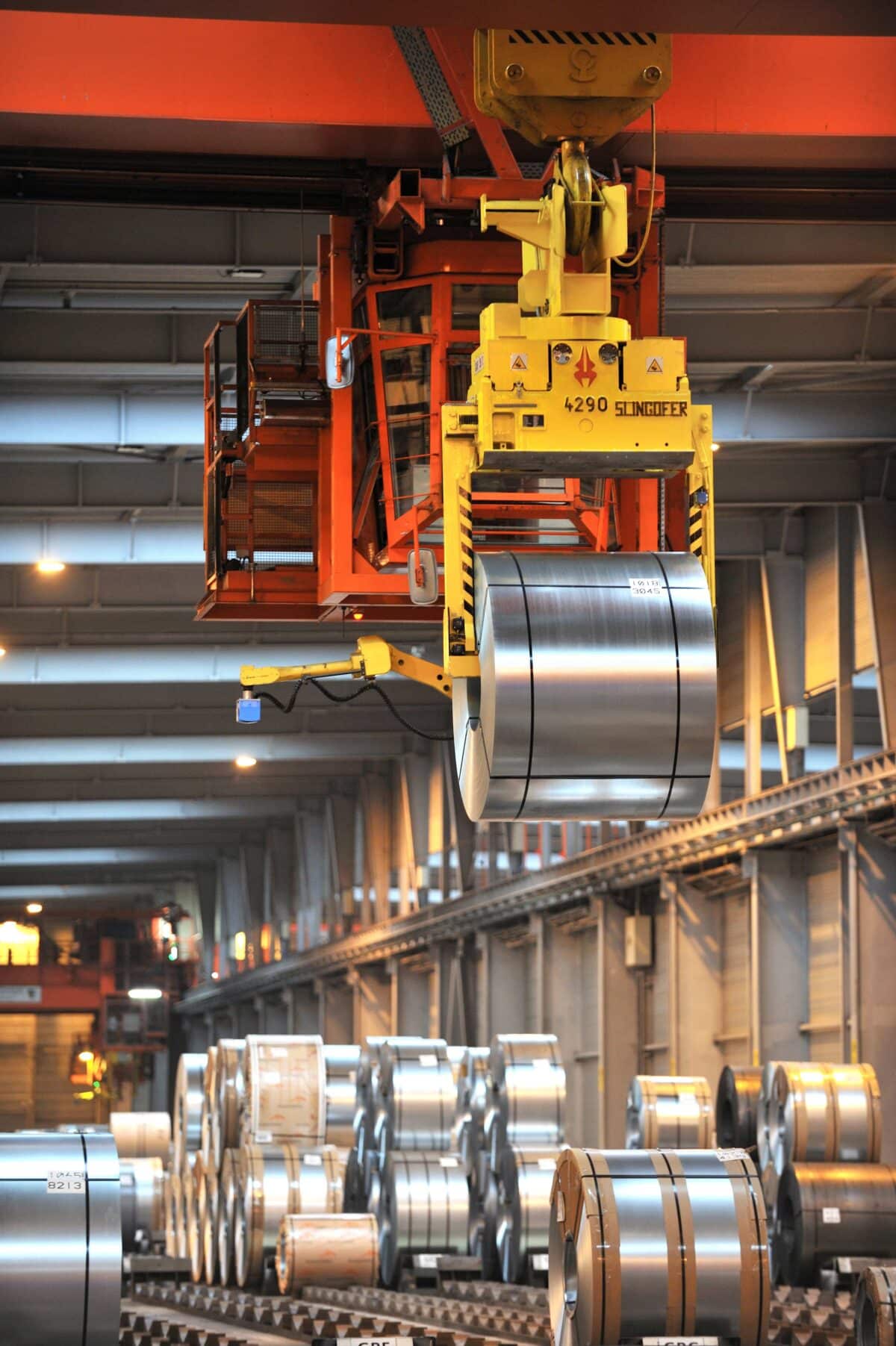
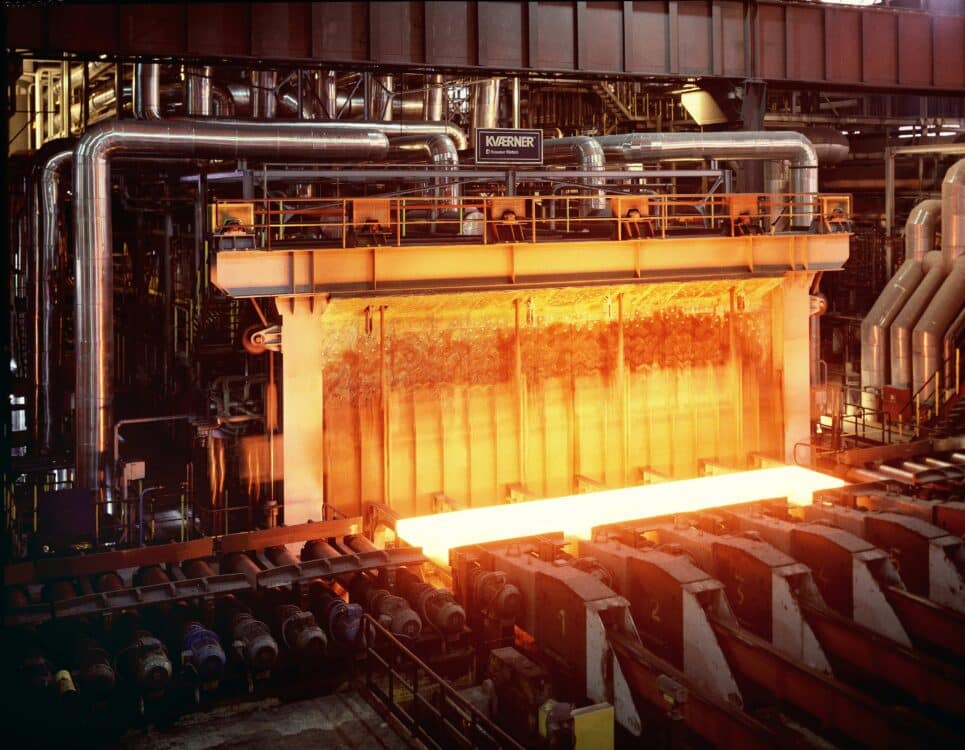
With increasing pressure on the automotive industry to reduce CO2 emissions from cars, demand is growing for thinner steel plates with higher strength and good formability. The Consultancy Services Team helped ArcelorMittal with the step-by-step introduction of a new finishing train that can roll 36mm strips into steel sheets with final thicknesses of between 1.25 and 13mm.

Our on-site consultant was responsible for drafting the specifications, selecting and negotiating with suppliers, monitoring the engineering and communications, project planning and training the production crews.

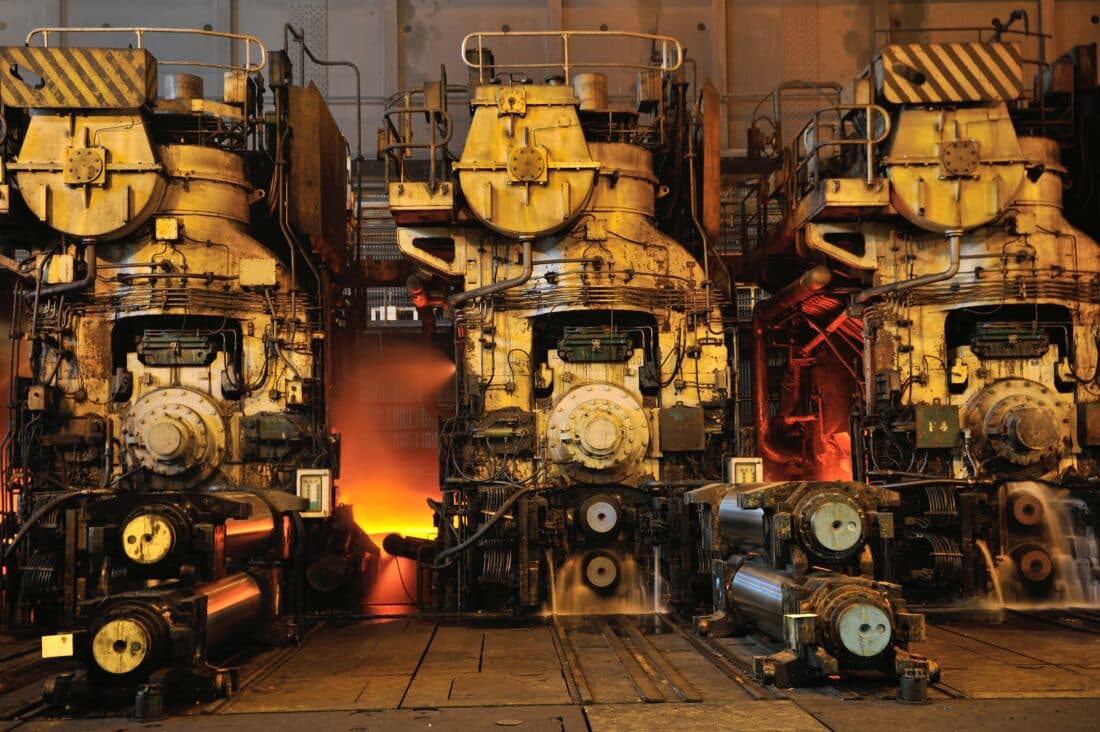
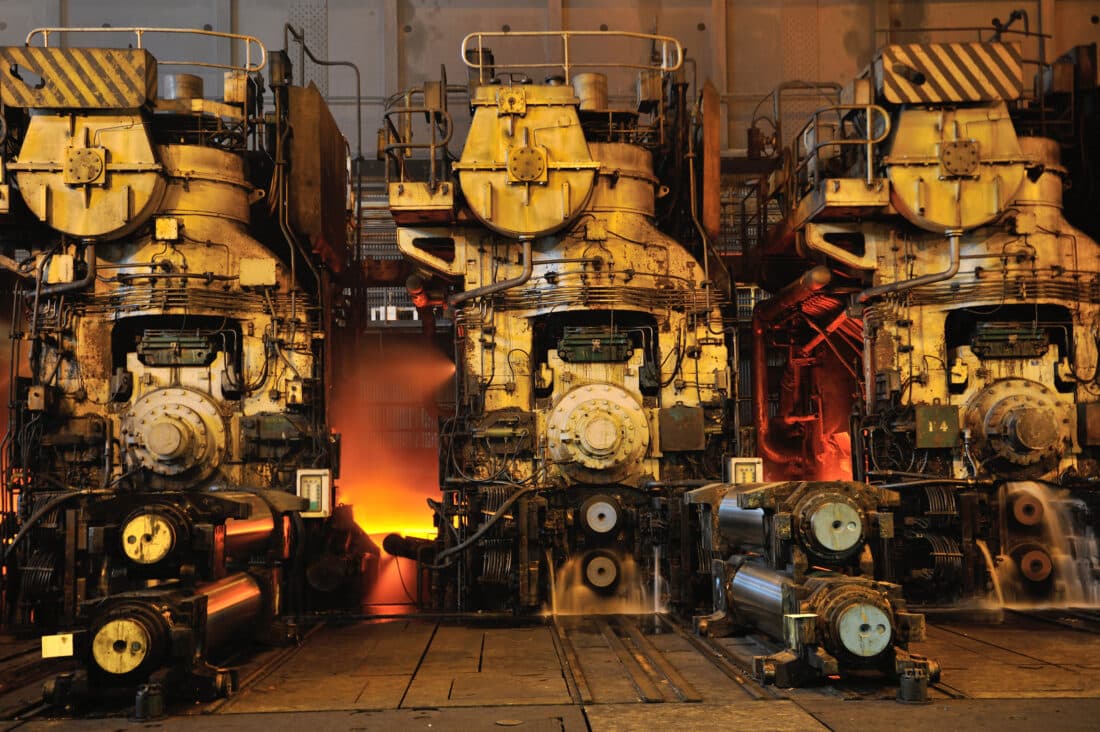
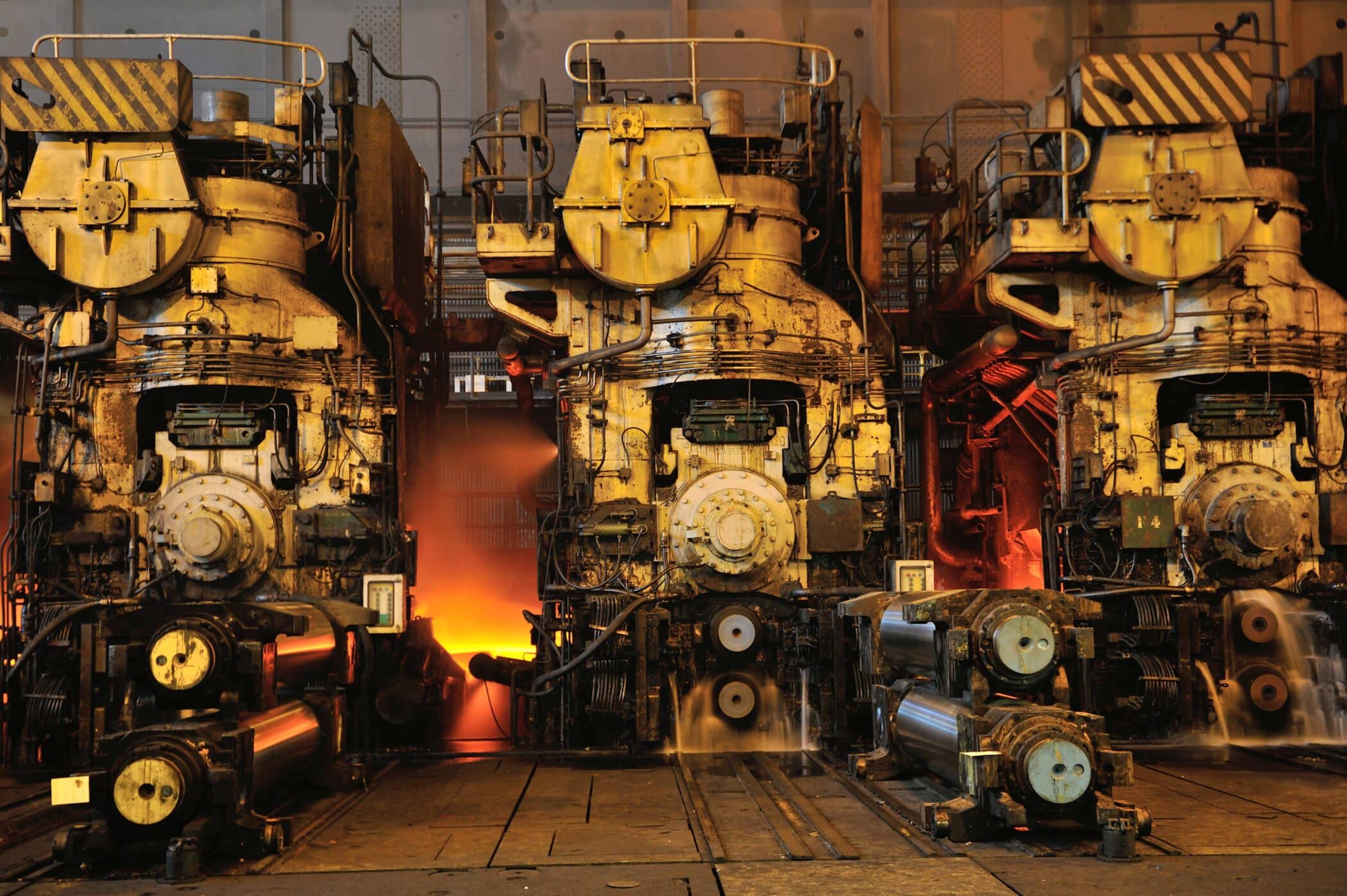
Stronger steel types require greater rolling forces in the hot-rolling mill, and thus modification of existing mill stands. ArcelorMittal’s new finishing stands had to meet several requirements: higher rolling forces, primarily in the first two millstands, higher drive torques and power of the drive motors, and better control of the rolling process to ensure continued quality. That means faster basic automation and additional actuators to improve rollability.
Step by step over four years, a new finishing train with seven coupled rolling mill stands was built. For 2014, new main engines were installed for four rolling machines. In November 2014, the main motorand gearboxes for the first mill stand were replaced, and one year later the main motor for the sixth mill stand had its turn. Mill stand 3 and 4 were also upgraded, and in November 2016, their roller power was increased. In that same year, we dismantled the first two old mill stands, and new finishing train was put into use.
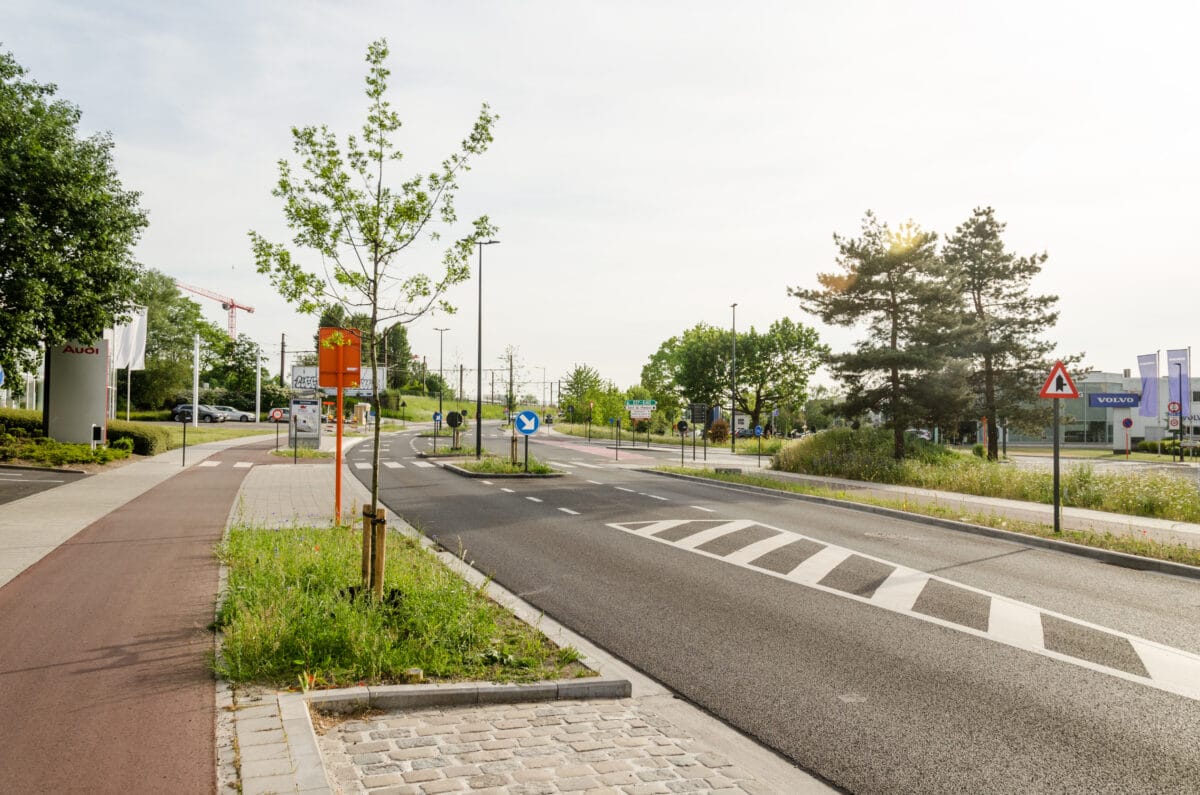
Burggravenlaan, Gent

Burggravenlaan, Gent

2022
EvoltaProjectsBurggravenlaan, Gent
Client
City Council of Ghent
Location
Ghent
Architect
Team Sustainable Mobility

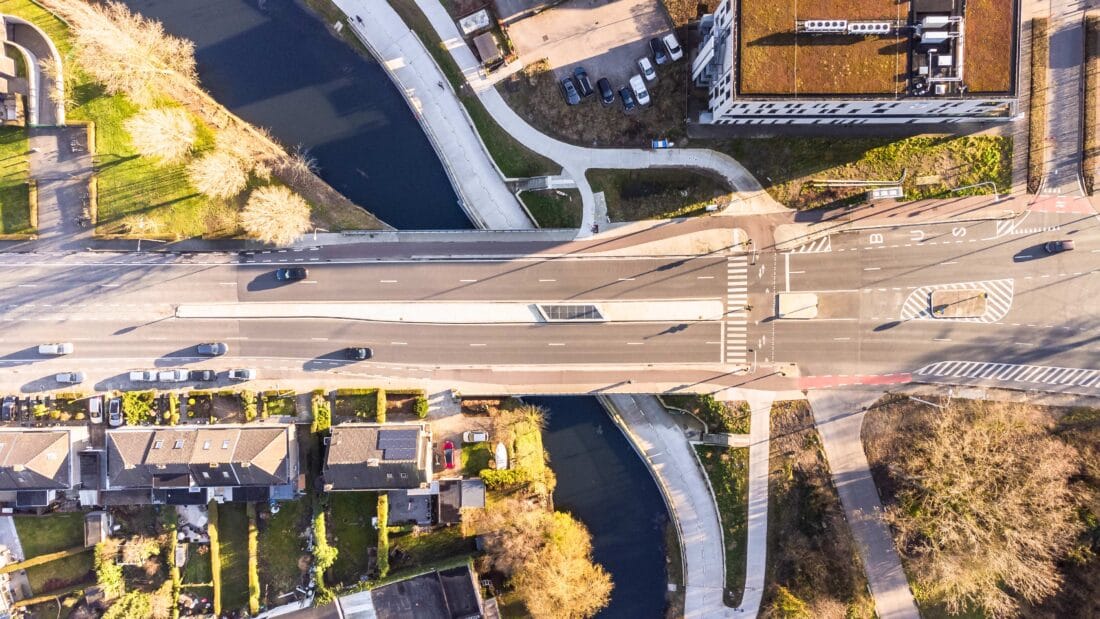
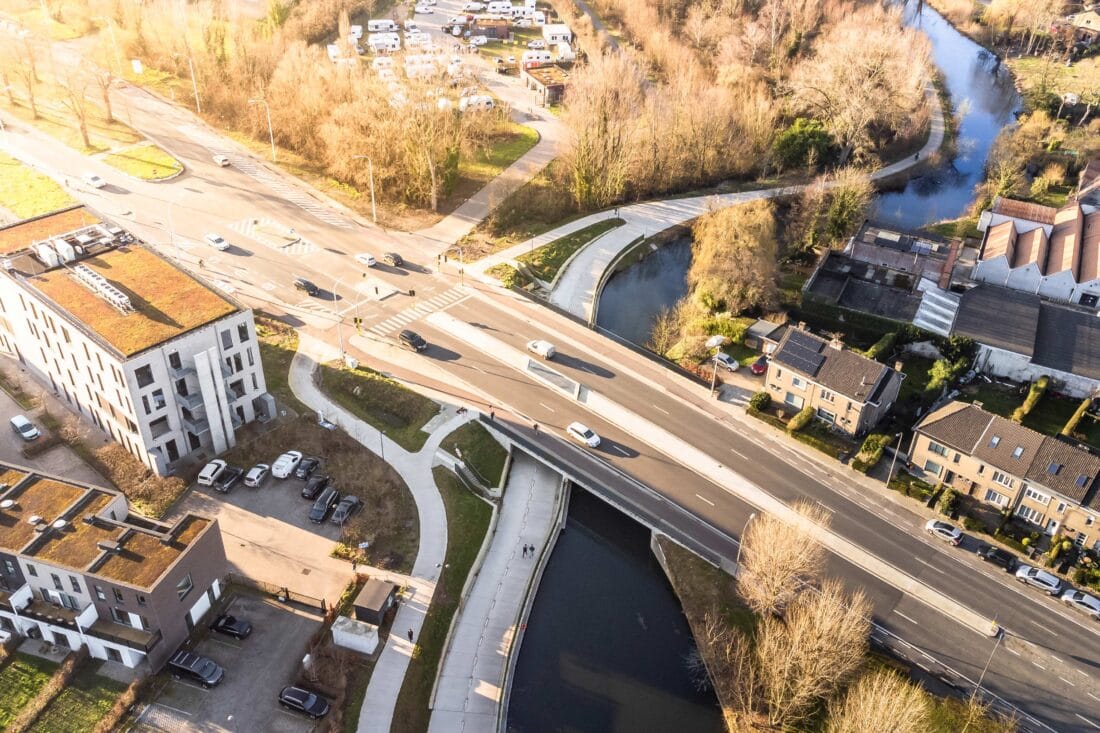
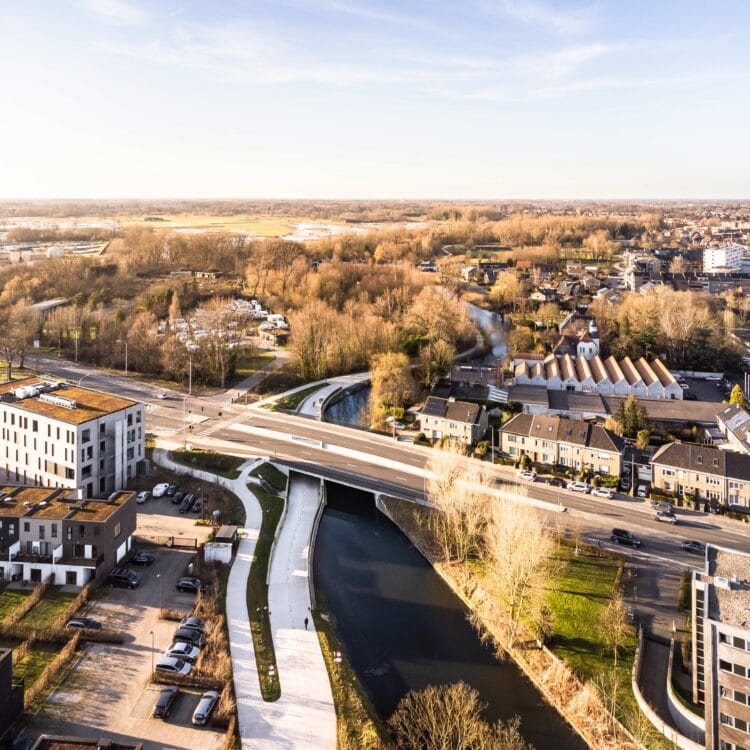
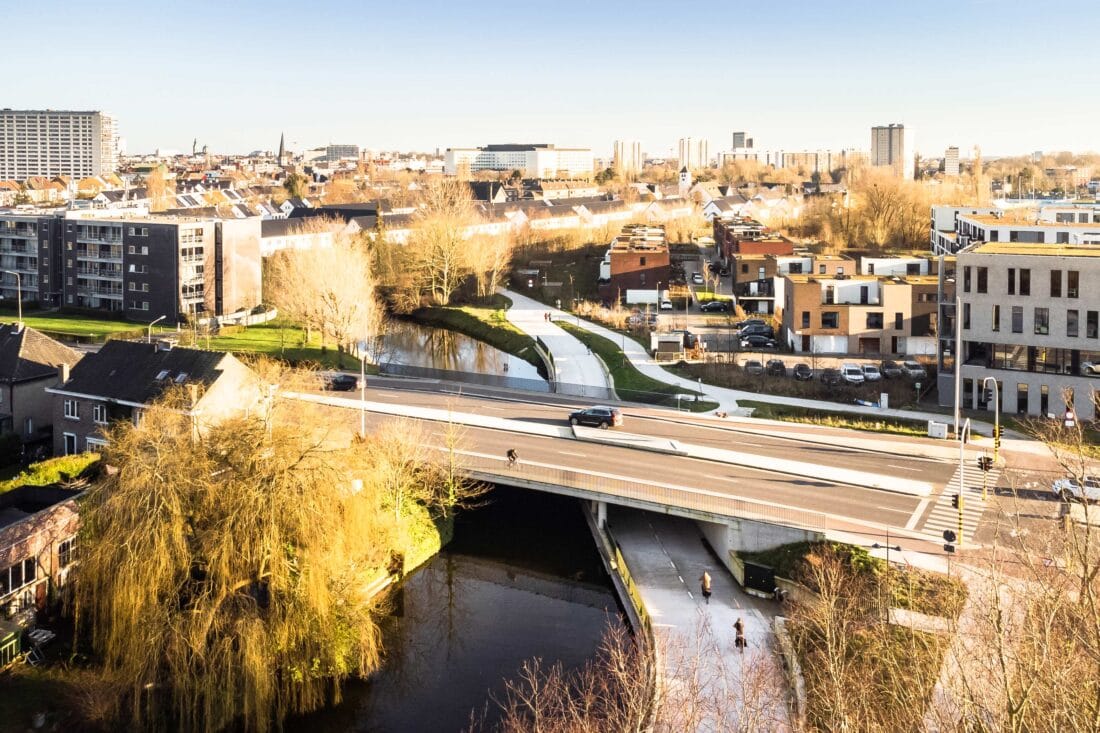
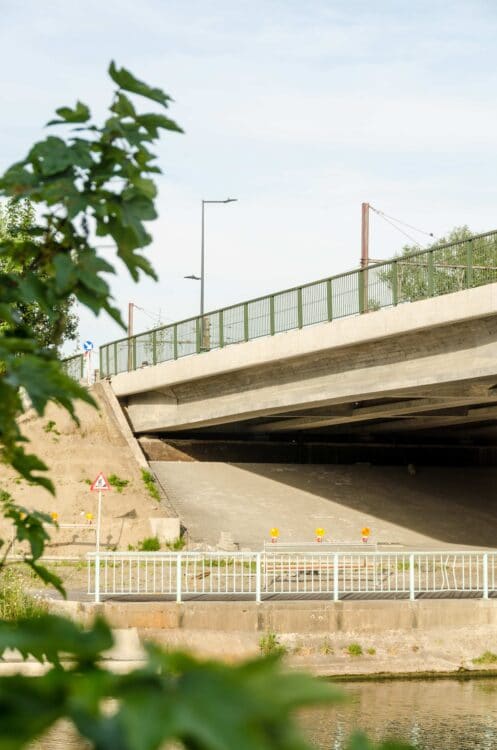
Renovation of a major traffic bridge and construction of cycle and pedestrian paths

The City of Ghent makes the “worst cycle path in Ghent” smoother, safer, and significantly more cyclist-friendly.

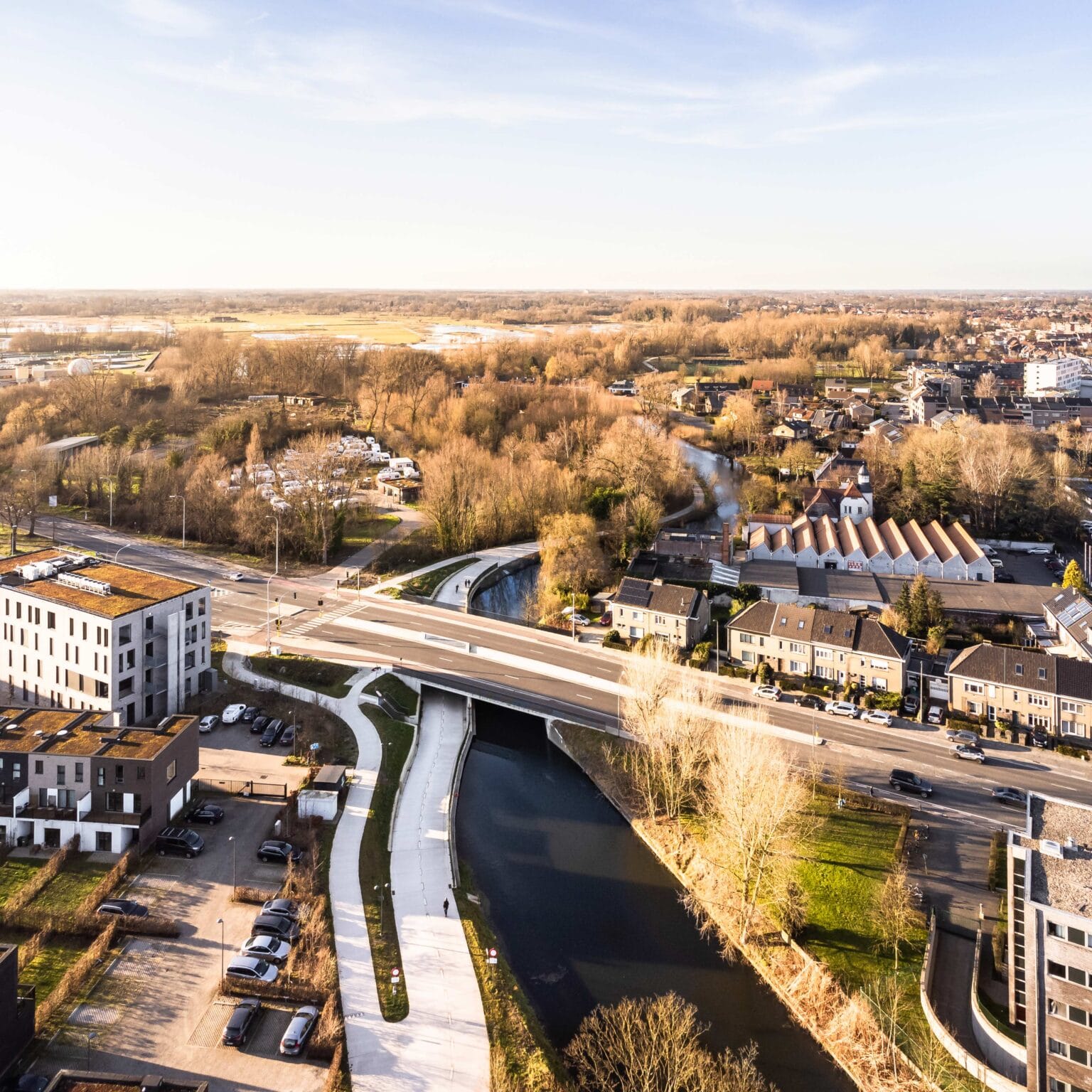
The Stropbrug, with the Burggravenlaan on one side of the water and the Achilles Heyndrickxlaan on the other, forms an important connection between the Gent-Sint-Pieters station and Ledeberg. It is also the last bicycle and pedestrian bridge over the Scheldt to Zwijnaarde. Because the bridge dates from the 70s and, like other bridges from that period, shows signs of aging and years of poor maintenance, the city of Ghent asked for it to be renovated. Our Sustainable Mobility team was responsible for the entire superstructure.

We provided comfortable cycle and pedestrian paths on both sides and renovated the bridge itself: the concrete rot was structurally repaired, the support equipment and joints were replaced, the decorative panels were removed and renewed, etc.

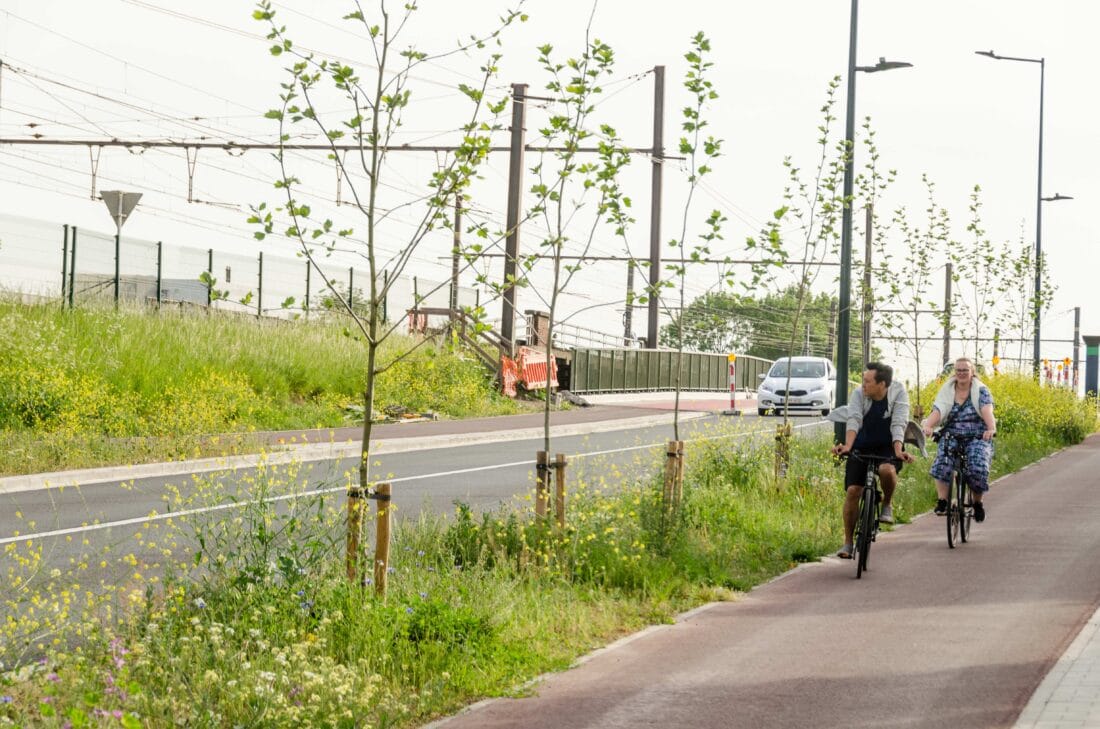
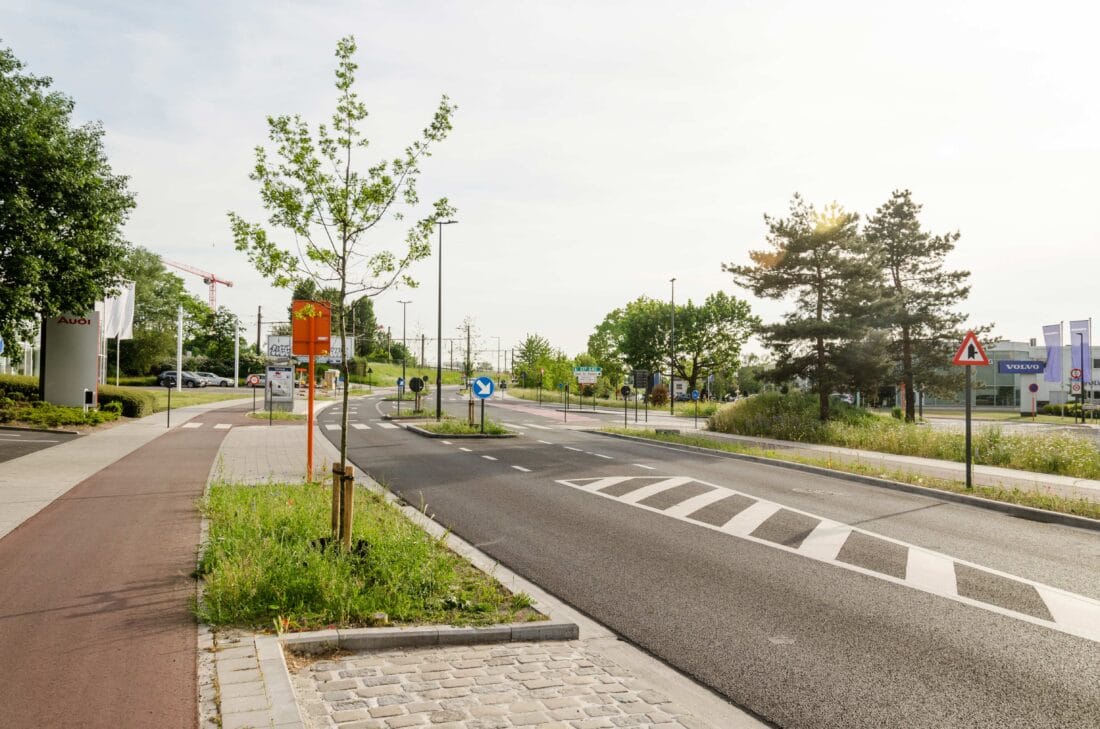
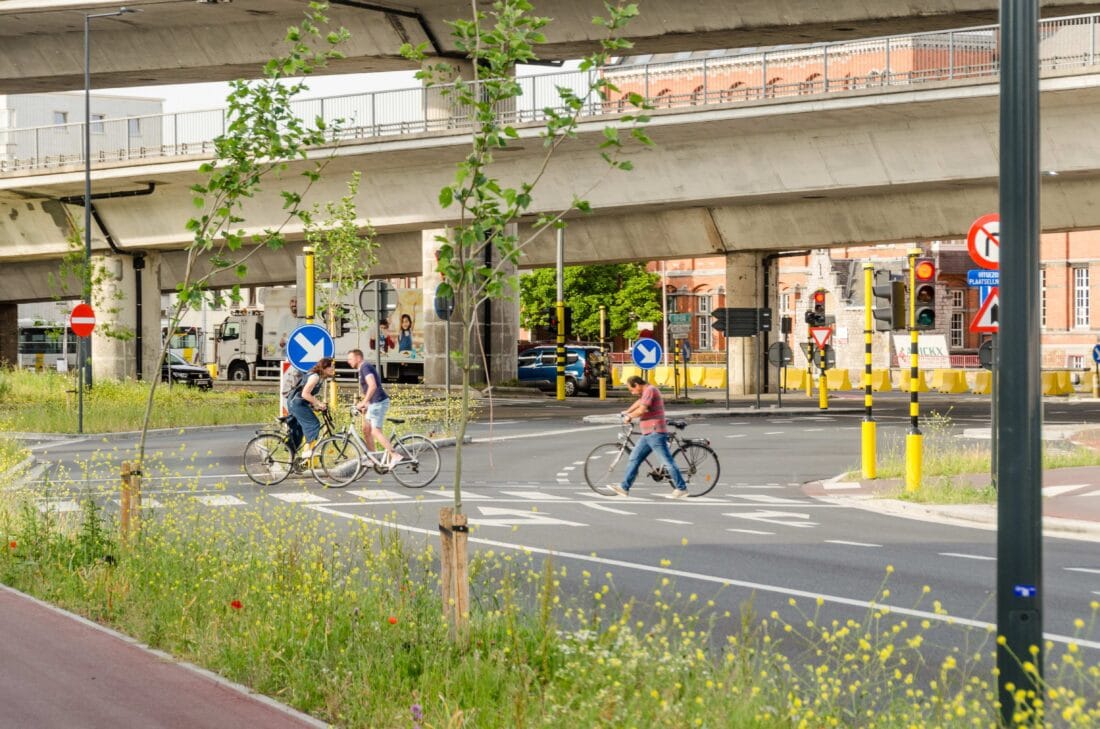
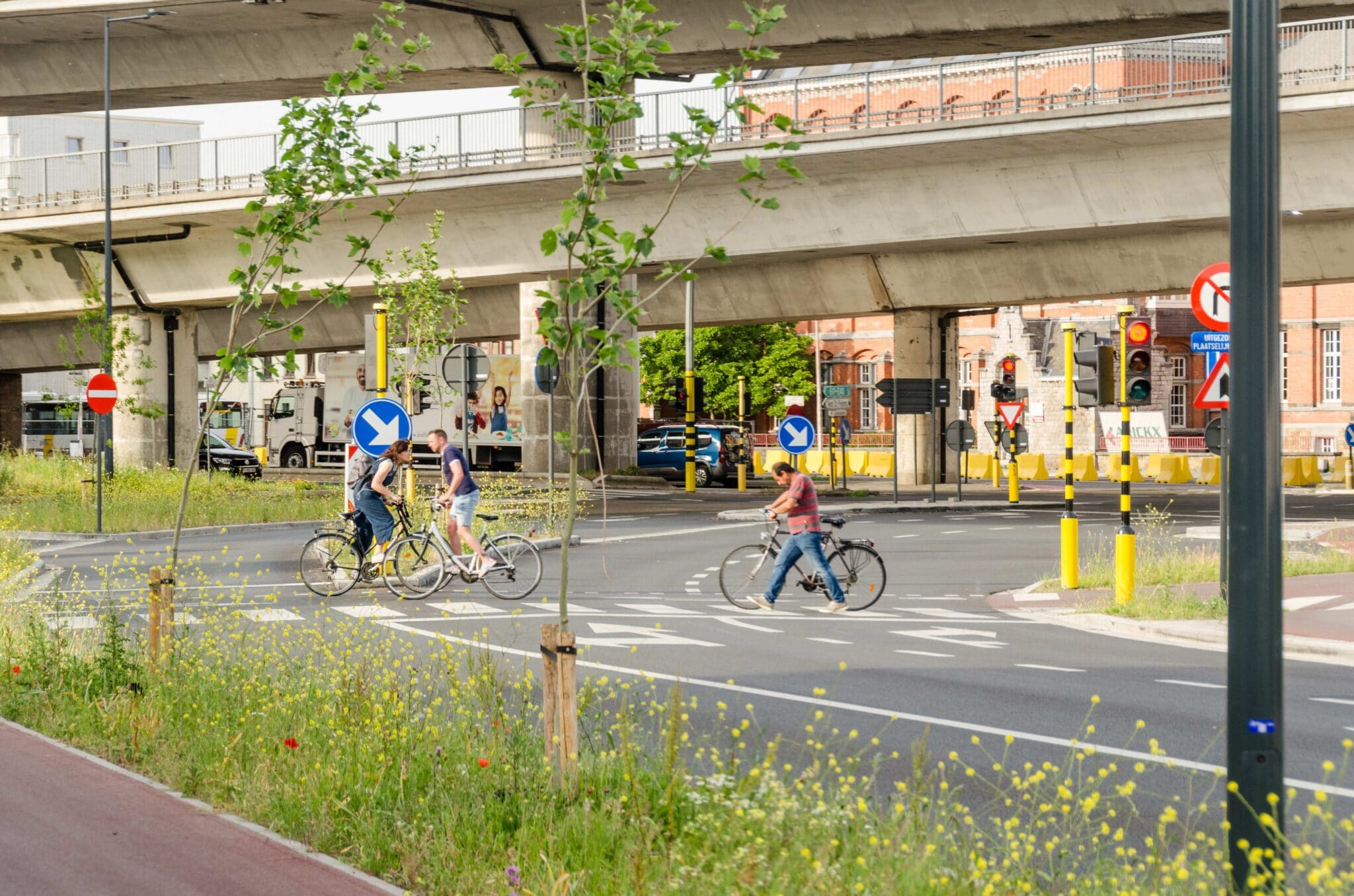
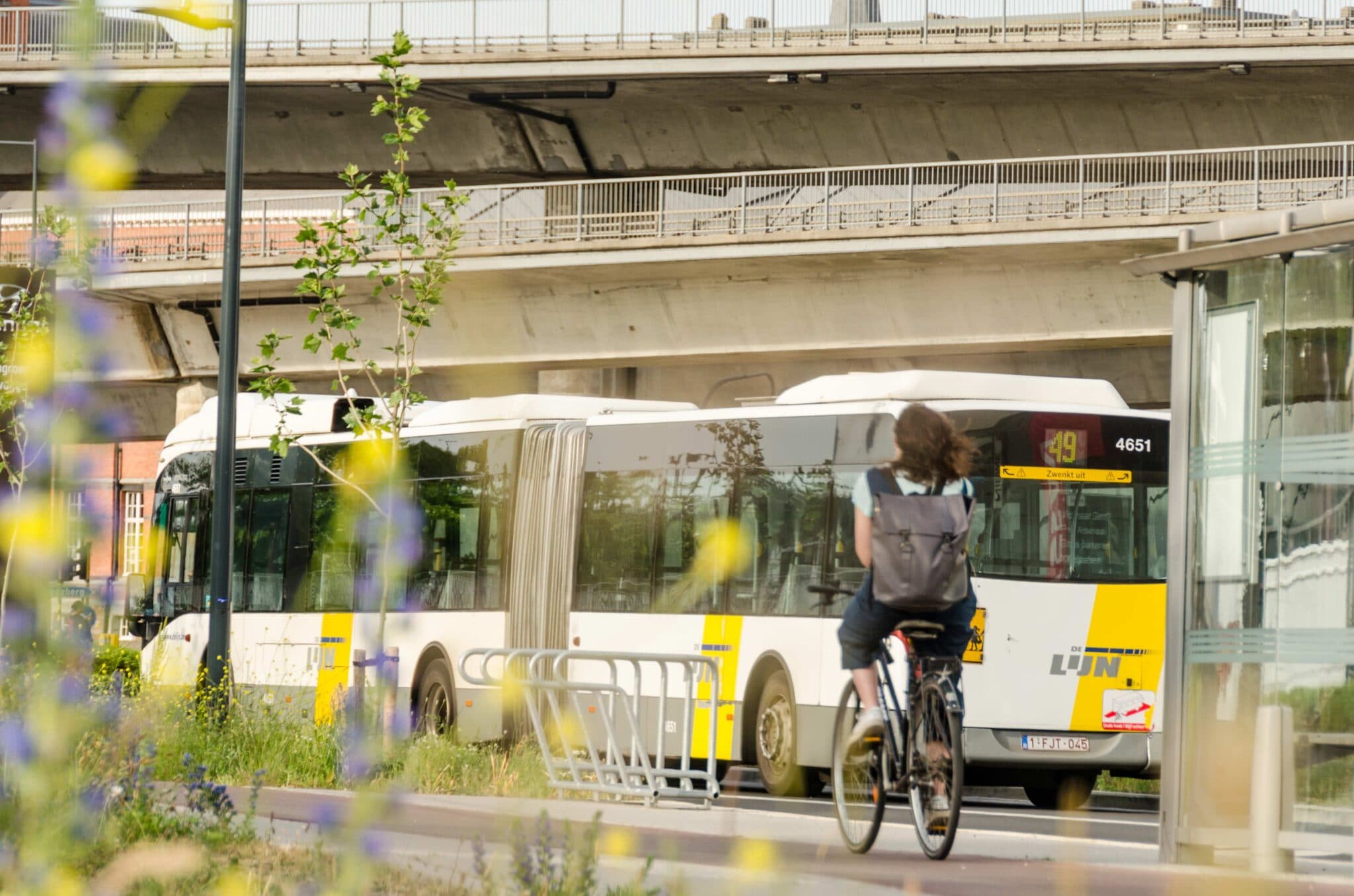
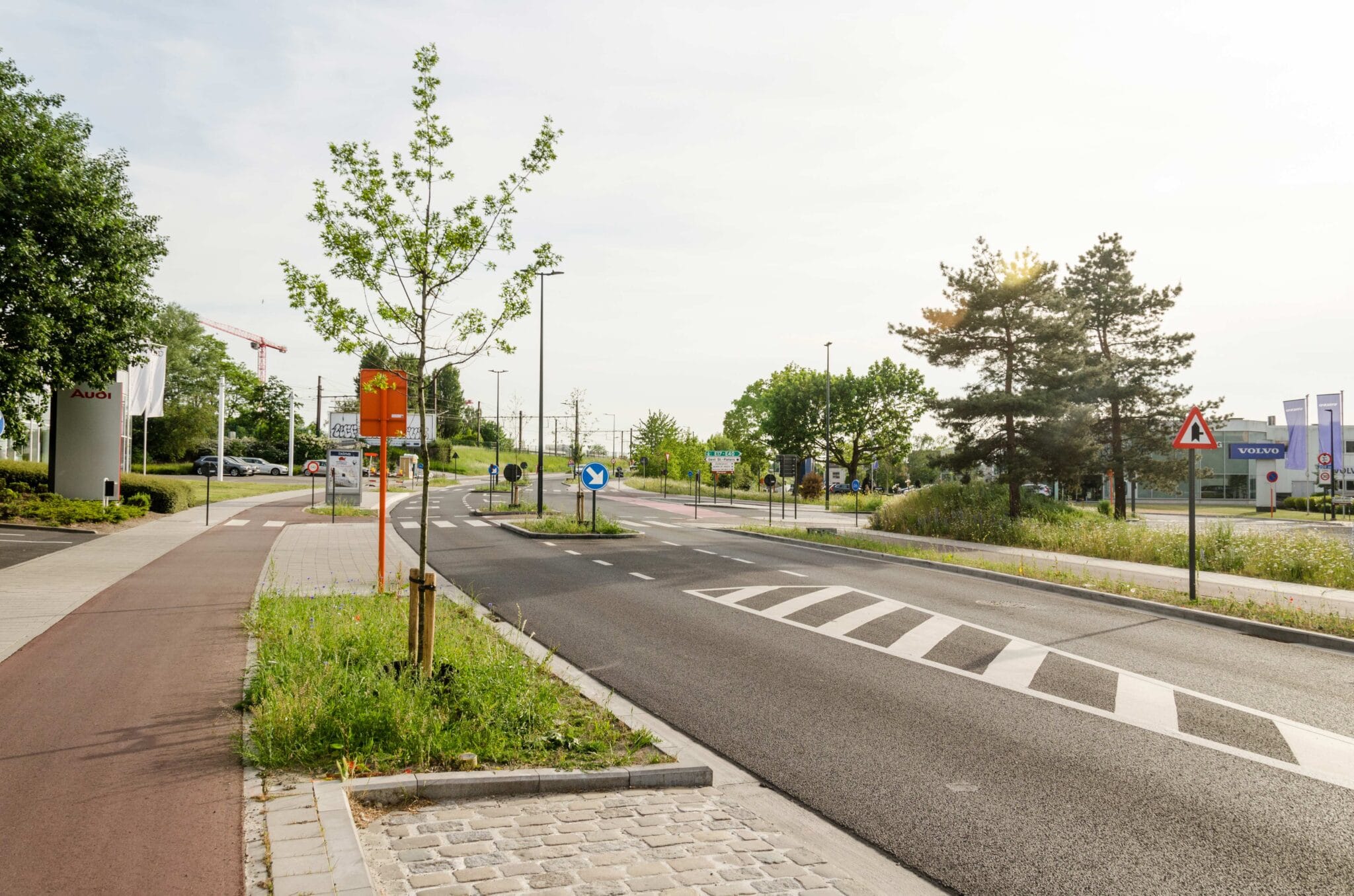
Today, the “worst cycle path in Ghent” is no more. Traffic between Achilles Heyndrickxlaan and Burggravenlaan is smoother and safer than ever, with raised cycle paths in red asphalt, fully-fledged footpaths, soothing greenery, safe crossings and stair constructions along which pedestrians can reach the bridge crossing.

And we also paid the necessary attention to the sewer system. A large part of the urban area is drained via the sewer system in the project area. We worked with drain chutes more than two metres wide to cope with the large volumes, and used special construction methods to ensure stability around the track and approach ramps.